
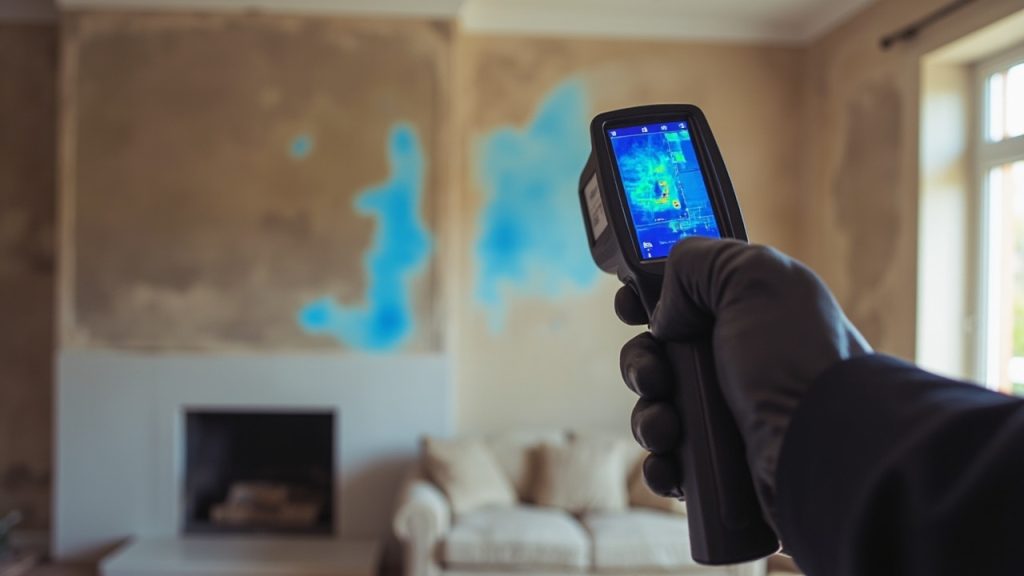
A thick damp smell in your Reynoldstown home is a warning sign that you should not ignore. You might walk through your hallway or enter your guest bedroom and notice an earthy scent. You look at the ceiling for water stains. You check under the kitchen sink for drips. You find nothing. Everything appears dry to the naked eye. In the humid climate of Atlanta during 2026 this is a frequent problem for homeowners. Musty odors usually mean moisture is hiding in places you cannot see. These smells are often the first sign of structural trouble or microbial growth before physical damage ruins your drywall or flooring.
Living near the Atlanta Beltline or in the historic bungalows of Reynoldstown means dealing with specific environmental factors. The high humidity levels in Georgia trap moisture inside wall cavities and crawlspaces. When water sits in these dark spaces it begins to degrade organic building materials. This process creates the distinct odor that homeowners describe as musty or mildewy. If you are experiencing this it is time to look deeper than the surface of your walls.

The Science of Microbial Volatile Organic Compounds
The smell you are noticing is not just old air. It is a chemical byproduct known as microbial volatile organic compounds or mVOCs. These are gases released by mold and bacteria as they grow and consume organic matter like wood or paper. Mold does not need a massive flood to thrive. It only needs a consistent moisture source and a food source. In many Atlanta homes the high indoor humidity provides enough water for these organisms to start off-gassing. This is why you smell the problem before you see a black patch on your baseboards.
These gases can pass through porous materials like drywall and wallpaper. You might have a slow seep behind a shower wall or a small leak in a roof transition that stays inside the attic. The water does not always travel far enough to create a visible stain. Instead it stays trapped and feeds a colony of mold that stays hidden. Understanding why your Reynoldstown home smells musty even if you do not see a leak starts with identifying these invisible gas releases.
How Hidden Moisture Accumulates in Reynoldstown Homes
Older homes in Reynoldstown often feature pier and beam foundations or tight crawlspaces. These areas are notorious for trapping moisture from the Georgia soil. When the ground gets saturated the humidity under your home rises. This moisture migrates upward into your floor joists and subflooring. Because most floors have a finish like hardwood or laminate the moisture gets trapped between the layers. It rots the wood from the bottom up while the top looks perfectly fine. This is a common scenario where fast emergency water damage restoration in Atlanta becomes necessary to save the structural integrity of the home.
Another common culprit is the HVAC system. Atlanta summers in 2026 are intense. Your air conditioner works hard to pull moisture out of the air. If the condensate line is clogged or the ductwork is not sealed properly water can pool in hidden areas. This dampness stays inside your utility closet or behind the intake vents. The air then carries the musty scent throughout the entire house every time the fan turns on. You might think the smell is everywhere but the source is localized in your ventilation system.
Comparison of Indoor Humidity Levels and Risk Factors
The following table shows how different humidity ranges in an Atlanta home impact the likelihood of odors and microbial growth.
| Relative Humidity Percentage | Impact on Materials | Odor Risk Level | Action Required |
|---|---|---|---|
| 30 percent to 45 percent | Optimal for wood and drywall | Low | Maintain current levels |
| 46 percent to 55 percent | Moisture begins to accumulate in porous fibers | Moderate | Increase ventilation or use a dehumidifier |
| 56 percent to 65 percent | Mold spores become active and start off-gassing | High | Professional inspection recommended |
| Over 65 percent | Structural saturation and rapid microbial growth | Extreme | Immediate professional remediation needed |
Hidden Water Traps in Modern and Historic Architecture
Reynoldstown has a mix of original historic homes and newer modern builds. Each type of architecture has different weak points for moisture. Historic homes often have solid brick foundations that absorb water from the outside. Newer homes often have tighter envelopes that do not allow moisture to escape once it gets inside. If you have a property that mimics the professional water damage restoration for luxury homes in Buckhead you might have complex wall assemblies that hide leaks for months.
Common hidden areas for moisture include
- Wall cavities behind refrigerators with slow-leaking water lines
- The space under built-in bathtubs where the overflow drain might be loose
- Insulation in the attic that has become damp from high humidity or a pinhole roof leak
- Subflooring near exterior doors where the threshold seal has failed
- Basement walls covered by finished drywall and vapor barriers
When moisture is trapped it cannot evaporate. It creates a micro-climate that is perfect for mold. This is why the smell persists even when the rest of your home feels dry. Even a minor issue like emergency help for a burst pipe in Atlanta and how to find fast cleanup can leave behind hidden dampness if the drying process was not thorough. If the baseboards were not removed or the wall cavities were not ventilated the interior studs will remain wet and produce odors for years.
Professional Tools for Detecting Hidden Moisture
You cannot fix a smell if you cannot find the source. Professional restoration technicians use technology to see through walls and floors. We use thermal imaging cameras to look for temperature differences. Evaporating water is cooler than the surrounding dry materials. This shows up as a blue or purple spot on the camera screen even if the wall looks dry to you. This is the most effective way to pinpoint exactly where the water is hiding without tearing down your entire house.
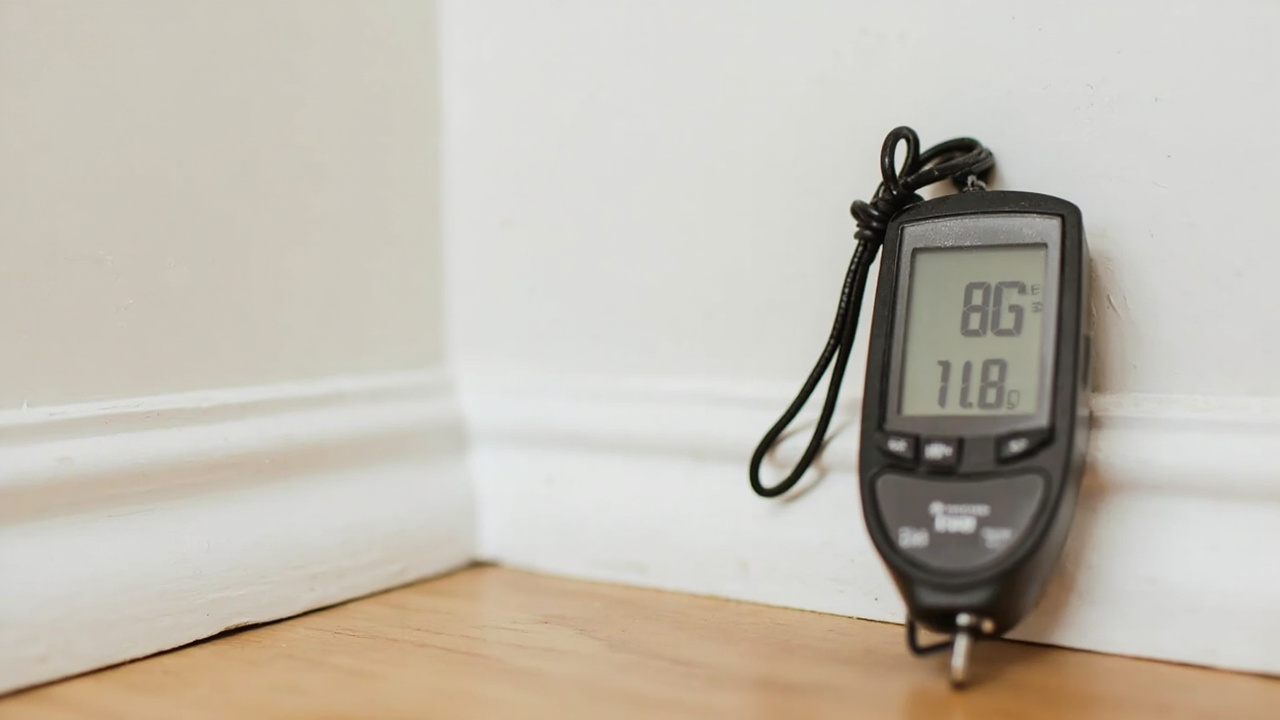
We also use moisture meters with pins and pinless sensors. These tools measure the moisture content of wood and drywall. They tell us if the material is within a normal range or if it is saturated. This data allows us to create a targeted drying plan. We do not guess where the water is. We use science to confirm it. This level of precision is common in Sandy Springs flood cleanup and professional water extraction services where large scale moisture issues must be mapped out accurately.
Moisture Detection Equipment Comparison
This table outlines the primary tools used to find the source of musty smells in Reynoldstown homes.
| Detection Tool | Functionality | Benefit for Homeowners |
|---|---|---|
| Infrared Thermal Camera | Detects heat signatures and evaporative cooling | Non-invasive search for hidden leaks behind walls |
| Pinless Moisture Meter | Uses radio frequencies to check for deep moisture | Checks moisture in flooring without leaving holes |
| Hygrometer | Measures air temperature and relative humidity | Identifies if the air is wet enough to cause mold |
| Borescope | Small camera inserted into tiny holes | Visual confirmation of mold inside wall cavities |
The Danger of Ignoring Musty Odors
The smell is more than an annoyance. It is a sign of poor indoor air quality. According to the Environmental Protection Agency mold and high humidity can cause respiratory irritation and other health concerns. If you can smell it you are breathing in the particles. Over time the moisture will also weaken the structural components of your home. Wood rot is a progressive issue. A floor joist that is damp today will become soft and brittle in the future. This leads to sagging floors and expensive structural repairs.
In commercial spaces the stakes are even higher. A musty smell in a retail store or office near Reynoldstown can drive away customers and decrease employee productivity. Managing these issues is a key part of minimizing business downtime with Atlanta commercial water damage restoration strategies. Addressing the odor early prevents a total shutdown for major remediation later.
The Proper Process for Odor Removal and Structural Drying
Spraying air freshener or burning candles will not solve the problem. These only mask the scent while the mold continues to grow. Professional restoration follows a specific protocol to eliminate the source. First we find and stop the moisture source. If a pipe is leaking or a seal is broken it must be fixed. Then we begin the drying process using industrial-grade equipment.
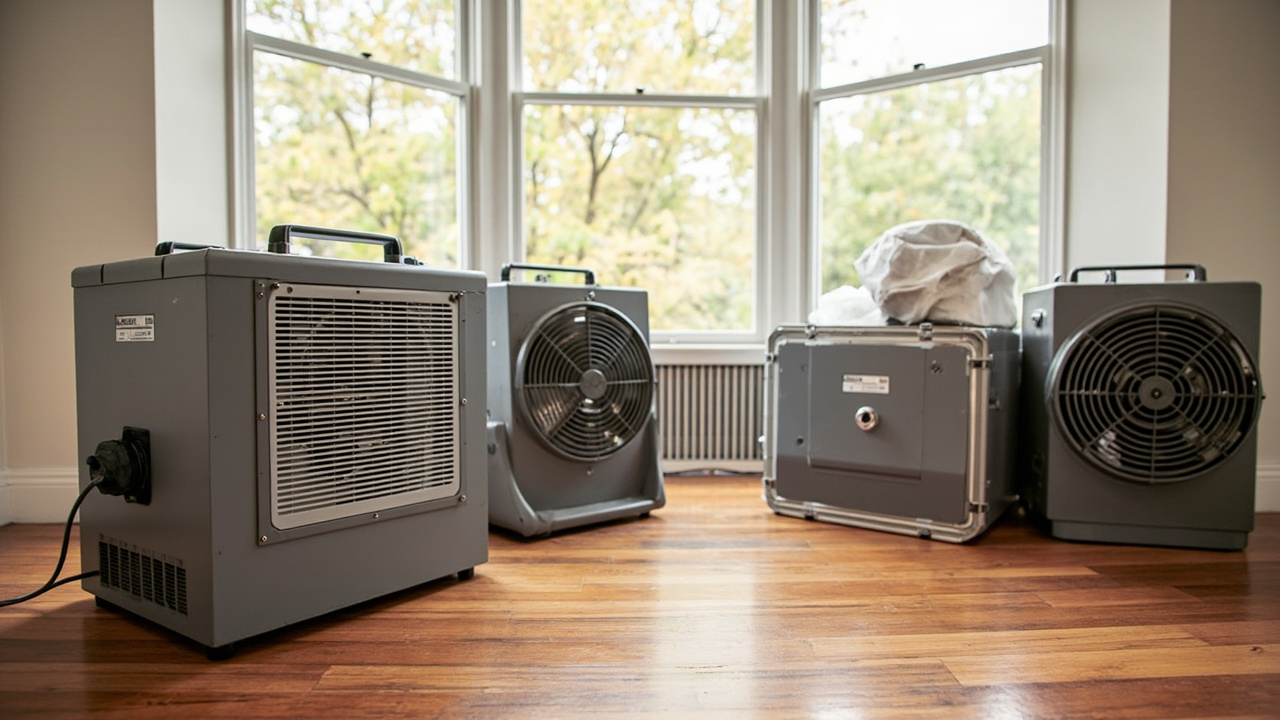
We use LGR dehumidifiers to pull moisture out of the air and the building materials. These machines are much more powerful than the small units you buy at a big box store. They can lower the humidity to levels where mold can no longer survive. We also use high-velocity air movers to promote evaporation. In cases where the smell is very strong we use hydroxyl generators or HEPA air scrubbers. These machines clean the air at a molecular level to remove the mVOCs. This ensures your home smells fresh because it is actually clean and dry.
Preventing Moisture Buildup in Atlanta Homes
Once the odor is gone you must take steps to keep it from returning. The Georgia climate is relentless. Maintaining your HVAC system is the first step. Ensure your drain pans are clear and your filters are changed monthly. You should also consider a whole-house dehumidifier if your indoor humidity consistently stays above 50 percent. This is especially important for homes in Reynoldstown with basements or crawlspaces.
Check your gutters and downspouts frequently. They should carry water at least six feet away from your foundation. If water pools near your home it will eventually find a way into your crawlspace or basement. Keeping the exterior of your home maintained is the best defense against interior moisture problems. If you ever notice a soft spot on your floor or a faint earthy scent do not wait for a visible stain to appear. Addressing the issue immediately will save you time and money.
If your Reynoldstown home has a persistent musty smell that you cannot explain it is time for a professional assessment. We have the experience and the tools to find the hidden water and dry your property thoroughly. Contact us today to restore your indoor air quality and protect your investment from the long-term effects of hidden moisture.
{
“@context”: “https://schema.org”,
“@type”: “BlogPosting”,
“headline”: “Understanding Why Your Reynoldstown Home Smells Musty Even if You Do Not See a Leak”,
“description”: “Learn why your Reynoldstown home has a musty odor without visible water. Discover how hidden moisture and Georgia humidity cause odors in Atlanta homes.”,
“wordCount”: 1697,
“datePublished”: “2026-04-01T10:05:00.000Z”,
“dateModified”: “2026-04-01T10:05:00.000Z”,
“inLanguage”: “en-US”,
“mainEntityOfPage”: {
“@type”: “WebPage”,
“@id”: “https://victorywaterdamagerestorationatlanta.com”
},
“publisher”: {
“@type”: “LocalBusiness”,
“name”: “Victory Water Damage Restoration Atlanta”,
“url”: “https://victorywaterdamagerestorationatlanta.com”
},
“author”: {
“@type”: “Organization”,
“name”: “Victory Water Damage Restoration Atlanta”,
“url”: “https://victorywaterdamagerestorationatlanta.com”
},
“image”: {
“@type”: “ImageObject”,
“url”: “https://victorywaterdamagerestorationatlanta.com/wp-content/uploads/2026/03/understanding-why-your-reynoldstown-home-smells-mu-1.jpg”
}
}
{
“@context”: “https://schema.org”,
“@type”: “LocalBusiness”,
“name”: “Victory Water Damage Restoration Atlanta”,
“url”: “https://victorywaterdamagerestorationatlanta.com”,
“address”: {
“@type”: “PostalAddress”,
“addressLocality”: “Atlanta”
},
“areaServed”: {
“@type”: “City”,
“name”: “Atlanta”
}
}
{
“@context”: “https://schema.org”,
“@type”: “BreadcrumbList”,
“itemListElement”: [
{
“@type”: “ListItem”,
“position”: 1,
“name”: “Home”,
“item”: “https://victorywaterdamagerestorationatlanta.com”
},
{
“@type”: “ListItem”,
“position”: 2,
“name”: “Blog”,
“item”: “https://victorywaterdamagerestorationatlanta.com/blog”
},
{
“@type”: “ListItem”,
“position”: 3,
“name”: “Understanding Why Your Reynoldstown Home Smells Musty Even if You Do Not See a Leak”
}
]
}
{
“@context”: “https://schema.org”,
“@type”: “Service”,
“serviceType”: “Water Damage Restoration”,
“provider”: {
“@type”: “LocalBusiness”,
“name”: “Victory Water Damage Restoration Atlanta”,
“url”: “https://victorywaterdamagerestorationatlanta.com”
},
“areaServed”: {
“@type”: “City”,
“name”: “Atlanta”
},
“description”: “Learn why your Reynoldstown home has a musty odor without visible water. Discover how hidden moisture and Georgia humidity cause odors in Atlanta homes.”
}