
The vital difference between clean and toxic water in your home
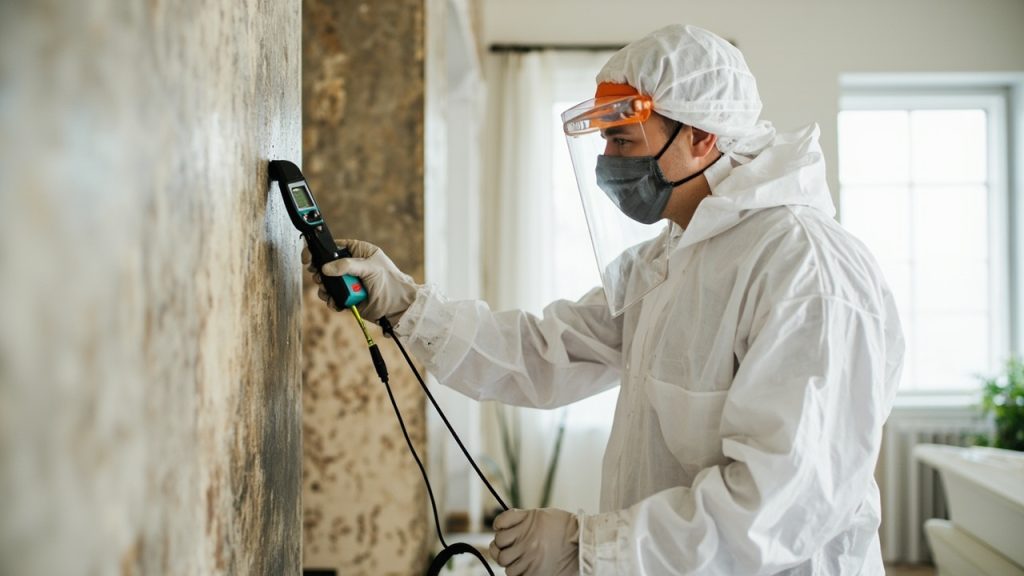
Water damage in Atlanta creates more than just a wet mess. The liquid soaking into your floors or walls carries specific risks based on where it came from and how long it has been sitting there. As an expert with over 15 years in the restoration industry, I have seen simple leaks turn into biohazard nightmares because homeowners did not understand what they were touching. In 2026, we follow strict safety protocols to ensure your family remains safe during the cleanup process. Identifying the category of water is the first step in any professional restoration plan. This identification dictates the type of protective equipment we wear and the methods we use to save your property.
Many residents in neighborhoods like Midtown or Virginia Highland deal with aging pipes that fail unexpectedly. Others in the low-lying areas near Peachtree Creek face rising floodwaters that bring outside contaminants indoors. Knowing the difference between these scenarios keeps you safe from pathogens and chemical exposure. If you are currently facing a flood, you need to know if the water is category 1, category 2, or category 3. Each level requires a different level of caution and expertise. You can learn more about how to respond to these situations by reading our guide on how to get fast emergency water damage restoration in Atlanta when every minute counts.
Understanding Category 1 clean water and the risk of delay
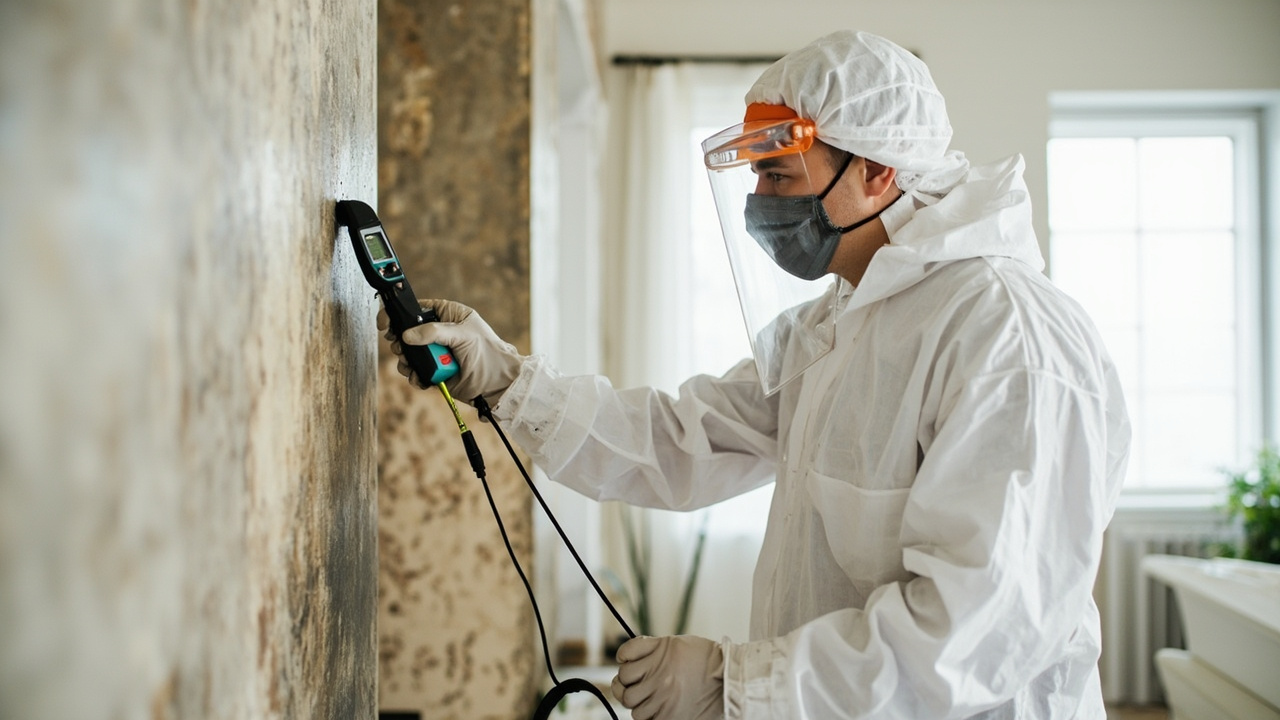
Category 1 water comes from a sanitary source. This is the water you drink or bathe in every day. Common sources include a broken supply line to your refrigerator, a sink overflow with no soaps or cleaners, or a bathtub that runs over. At the start, this water does not pose a significant risk to your health. You can usually walk through it without special protective gear, though you should still avoid prolonged contact. In Atlanta, these incidents often happen in newer high-rise condos or well-maintained homes in areas like Vinings.
The biggest threat with Category 1 water is how fast it changes. Once clean water leaves the pipe, it begins to mix with dust, floor finishes, and invisible particles on your carpet. In the high humidity of a typical Atlanta summer in 2026, clean water can transition to Category 2 in less than 48 hours. The warm environment speeds up the growth of microorganisms. If you have a emergency help for a burst pipe in Atlanta, you must act before the water quality degrades and threatens your health.
Key characteristics of Category 1 water
- Originates from a clean, sanitary source like a water supply line.
- Poses no immediate threat if consumed or touched briefly.
- Requires fast extraction to prevent it from becoming toxic.
- Can still cause massive structural damage to drywall and subfloors.
| Water Category | Typical Source | Health Risk Level | Degradation Time |
|---|---|---|---|
| Category 1 | Broken supply lines, sink overflows | Low | 24 to 48 hours |
| Category 2 | Dishwashers, washing machines, sump pumps | Moderate | Under 24 hours |
| Category 3 | Sewage, river water, stagnant ponding | High (Toxic) | Immediate |
The dangers of Category 2 gray water exposure
Category 2 water is often called gray water. It contains a significant amount of chemical or biological contaminants. This water might cause discomfort or illness if humans consume it or come into contact with it. Common sources include discharge from dishwashers or washing machines. The water contains food particles, soaps, and bacteria that thrive in the warm discharge from these appliances. Sump pump failures also fall into this category because the water often contains ground minerals and organic matter from the soil around your foundation.
In Atlanta, many homes have basements that rely on sump pumps to manage the heavy rainfall we see near the Perimeter. If a pump fails, the water entering your home is not clean. It has filtered through the Georgia clay and carries bacteria. If you own a high-end property, you might need professional water damage restoration for luxury homes in Buckhead to ensure that gray water does not ruin expensive custom finishes. Professional cleaning is mandatory for Category 2 losses because the contaminants can leave odors and health risks deep within the carpet padding and wall cavities.
According to the IICRC S500 standard, Category 2 water requires specialized cleaning agents to neutralize the bacteria. You should never attempt to dry a Category 2 loss with simple household fans. This just blows contaminants into the air you breathe. We use commercial grade antimicrobial treatments and high volume air movers to ensure the space is both dry and sanitary.
Category 3 black water and why it is considered toxic
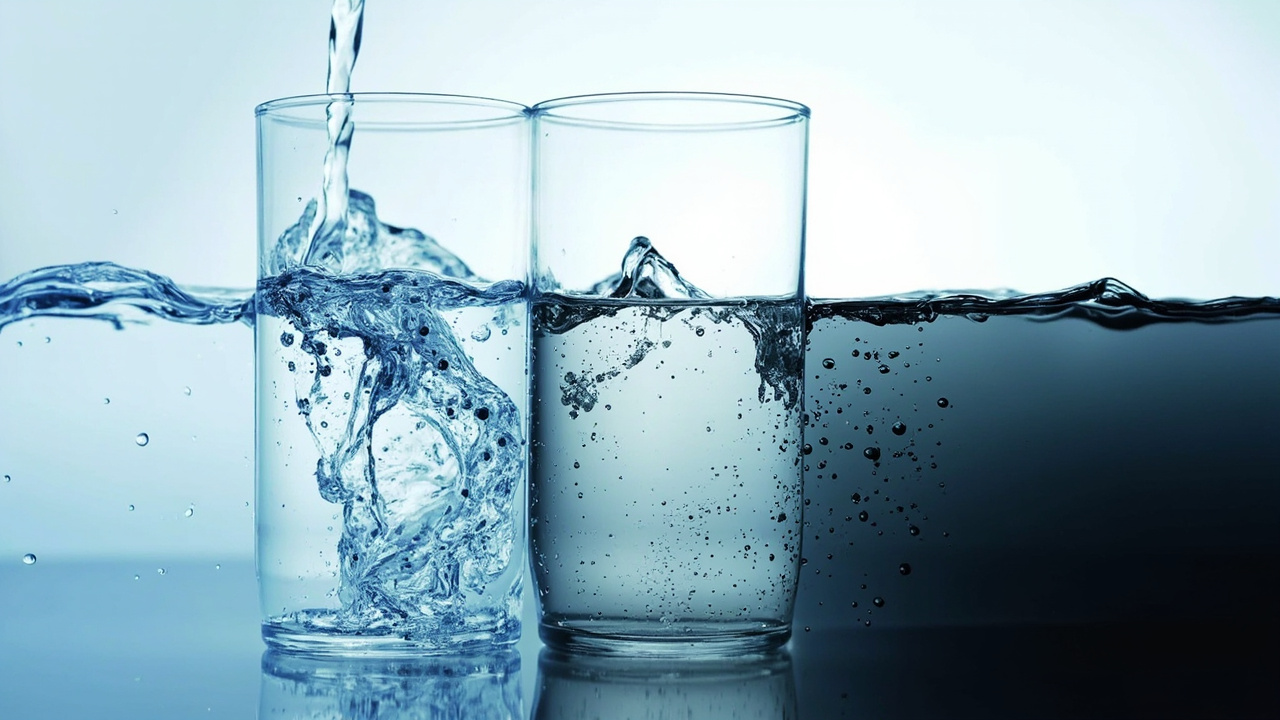
Category 3 water is the most dangerous classification. This is known as black water. It is grossly unsanitary and contains pathogenic agents from sewage or other contaminated sources. This water can cause severe illness or even death if handled improperly. Sources include sewage backups, rising water from rivers or streams, and wind-driven rain from tropical storms that has picked up contaminants from the ground. If the Chattahoochee River overflows or a sewer main breaks in Decatur, the resulting flood is Category 3.
Black water often contains heavy metals, pesticides, and raw sewage. In 2026, we see more frequent localized flooding in Atlanta that brings street runoff into residential garages and living spaces. If you are dealing with this, you need Sandy Springs flood cleanup and professional water extraction services immediately. You should never enter a room filled with Category 3 water without full personal protective equipment including a respirator, gloves, and a waterproof suit.
Porous materials like carpet, padding, and upholstered furniture that touch black water must be discarded. There is no safe way to clean these items to a sanitary level after they have absorbed sewage or river water. The risks of E. coli, Hepatitis, and other dangerous pathogens are too high to ignore. Professional restoration teams focus on removing all contaminated materials and then performing a multi-stage disinfection process on the remaining structural elements like concrete and wood framing.
The four classes of water damage and evaporation rates
While categories describe the quality of the water, classes describe the rate of evaporation. This tells us how difficult it will be to dry your home. We evaluate the materials in the room to determine the class. This helps us decide how many dehumidifiers and air movers are needed to restore your home to pre-loss condition.
| Class of Loss | Description of Impact | Absorption Rate | Drying Complexity |
|---|---|---|---|
| Class 1 | Only a small area is wet. Low porosity materials like concrete. | Slow | Minimal |
| Class 2 | The entire room is wet. Carpet and cushions are soaked. | Fast | Moderate |
| Class 3 | Water comes from above. Ceilings, walls, and insulation are saturated. | Very Fast | High |
| Class 4 | Specialty drying. Water is trapped in hardwood, brick, or stone. | Deep Penetration | Extreme |
Class 4 is particularly common in historic Atlanta homes with original hardwood floors. These materials hold onto moisture deep within the wood grain. Standard drying techniques often fail here. We use specialized floor drying systems that create a vacuum to pull moisture out of the wood without the need for demolition. Understanding these classes allows us to provide accurate timelines for your insurance company and ensure your home is actually dry, not just dry on the surface.
Psychrometry and the science of drying in Atlanta
Restoration in 2026 relies on psychrometry, which is the study of air and water vapor. In a city like Atlanta, the outdoor humidity is often over 70 percent. This makes drying a home very difficult. If we simply open the windows, we might be letting more moisture in. We have to control the indoor environment to create a thirsty atmosphere that pulls water out of your building materials.
We measure the relative humidity and the grains per pound of air. Grains per pound is a specific measurement of how much water is actually in the air. By lowering the grain count inside your home, we encourage the water trapped in your drywall and studs to move into the air. We then use LGR (Low Grain Refrigerant) dehumidifiers to catch that water and pump it out of the house. This science is critical for preventing mold growth, which can start in as little as 24 hours in the Georgia heat. For businesses, this scientific approach is the only way of minimizing business downtime with Atlanta commercial water damage restoration.
How your insurance company views water categories
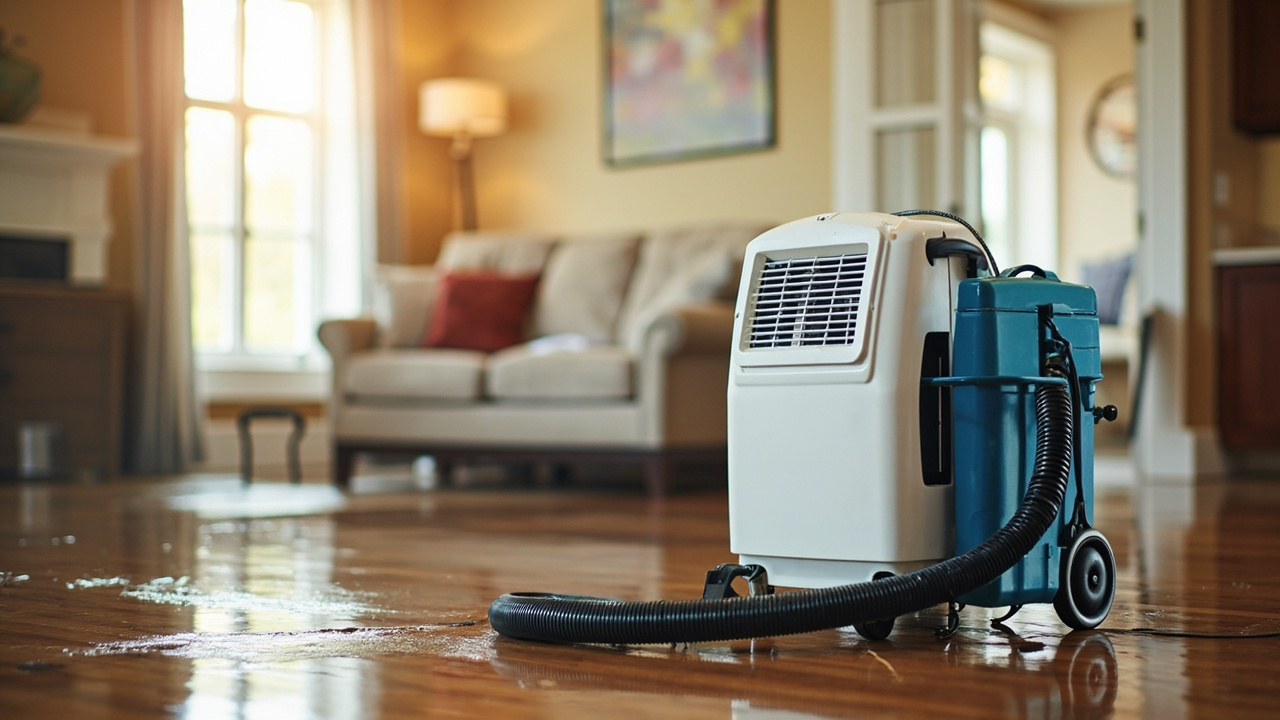
When you file a claim for water damage in Georgia, the insurance adjuster will look closely at the category and class. Most standard policies cover Category 1 and Category 2 losses caused by sudden pipe bursts. However, Category 3 losses like sewage backups often require a specific rider on your policy. If your home floods because of rising groundwater, you usually need separate flood insurance managed by the National Flood Insurance Program.
Our job is to provide the documentation your insurance company needs. We take moisture readings, thermal imaging photos, and category classifications to prove the extent of the damage. This documentation ensures you receive the full coverage you are entitled to under your policy. Without professional categorization, an insurance company might try to argue that a loss was less severe than it actually was, leading to a denied claim or insufficient funds for a proper repair.
Steps to take while waiting for restoration experts
- Identify the source of the water and stop it if possible by turning off the main water valve.
- Determine the category by looking at the source. If it is sewage or cloudy, do not touch it.
- Take photos of the standing water and any damaged items for your insurance records.
- Move light furniture and electronics out of the wet area to prevent further damage.
- Avoid turning on your HVAC system if you suspect Category 3 contamination to prevent spreading pathogens through the ducts.
- Wait for a professional with the right equipment to begin the extraction process.
Protecting your Atlanta property from long term damage
Every minute water sits in your home, the risk increases. The transition from a clean Category 1 leak to a hazardous Category 2 or 3 environment happens faster than most people realize. In Atlanta, our unique combination of old infrastructure and high humidity creates a perfect environment for rapid degradation. Whether you are dealing with a small leak in a Brookhaven basement or a major flood in a Marietta commercial building, the categories remain the same. Safety must always come first.
By understanding these categories, you can make informed decisions about the safety of your family. You will know when it is safe to mop up a small spill and when it is time to call in a team with respirators and biohazard containment. Our team uses the latest 2026 technology to track moisture levels through walls and floors, ensuring that no hidden pockets of water are left behind to cause mold or structural rot. We serve the entire greater Atlanta metro area 24/7 because we know that water damage does not follow a schedule. If you find water where it should not be, reach out for a professional assessment immediately to keep your home safe and dry.
{
“@context”: “https://schema.org”,
“@type”: “BlogPosting”,
“headline”: “The three categories of water damage and how to identify toxic flooding in your Atlanta home”,
“description”: “Learn to identify the three categories of water damage and toxic black water risks in Atlanta homes. Protect your property with current IICRC S500 standards.”,
“wordCount”: 1867,
“datePublished”: “2026-04-24T10:43:00.000Z”,
“dateModified”: “2026-04-24T10:43:00.000Z”,
“inLanguage”: “en-US”,
“mainEntityOfPage”: {
“@type”: “WebPage”,
“@id”: “https://victorywaterdamagerestorationatlanta.com”
},
“publisher”: {
“@type”: “LocalBusiness”,
“name”: “Victory Water Damage Restoration Atlanta”,
“url”: “https://victorywaterdamagerestorationatlanta.com”
},
“author”: {
“@type”: “Organization”,
“name”: “Victory Water Damage Restoration Atlanta”,
“url”: “https://victorywaterdamagerestorationatlanta.com”
},
“image”: {
“@type”: “ImageObject”,
“url”: “https://victorywaterdamagerestorationatlanta.com/wp-content/uploads/2026/03/understanding-the-three-categories-of-water-damage-1.jpg”
}
}
{
“@context”: “https://schema.org”,
“@type”: “LocalBusiness”,
“name”: “Victory Water Damage Restoration Atlanta”,
“url”: “https://victorywaterdamagerestorationatlanta.com”,
“address”: {
“@type”: “PostalAddress”,
“addressLocality”: “Atlanta”
},
“areaServed”: {
“@type”: “City”,
“name”: “Atlanta”
}
}
{
“@context”: “https://schema.org”,
“@type”: “BreadcrumbList”,
“itemListElement”: [
{
“@type”: “ListItem”,
“position”: 1,
“name”: “Home”,
“item”: “https://victorywaterdamagerestorationatlanta.com”
},
{
“@type”: “ListItem”,
“position”: 2,
“name”: “Blog”,
“item”: “https://victorywaterdamagerestorationatlanta.com/blog”
},
{
“@type”: “ListItem”,
“position”: 3,
“name”: “The three categories of water damage and how to identify toxic flooding in your Atlanta home”
}
]
}
{
“@context”: “https://schema.org”,
“@type”: “Service”,
“serviceType”: “Water Damage Restoration”,
“provider”: {
“@type”: “LocalBusiness”,
“name”: “Victory Water Damage Restoration Atlanta”,
“url”: “https://victorywaterdamagerestorationatlanta.com”
},
“areaServed”: {
“@type”: “City”,
“name”: “Atlanta”
},
“description”: “Learn to identify the three categories of water damage and toxic black water risks in Atlanta homes. Protect your property with current IICRC S500 standards.”
}