
Managing a Sump Pump Failure During a Heavy Peachtree Corners Storm
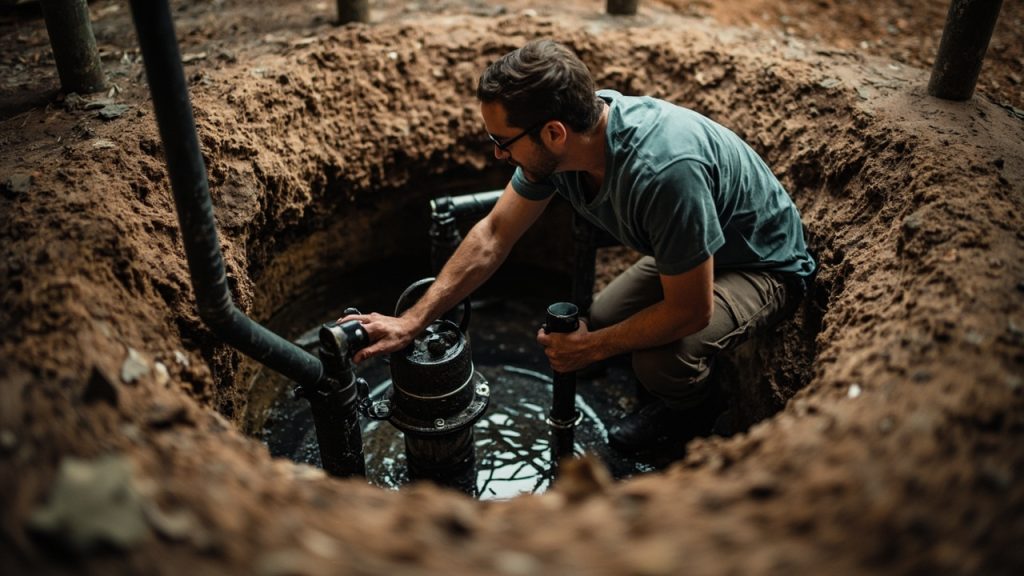
Heavy rain in Peachtree Corners creates immense pressure on residential basement systems. When the storms roll in from the west and hit Gwinnett County, the ground becomes saturated quickly. Your sump pump is the only line of defense between a dry basement and a costly flood. If you notice water pooling or hear strange noises from your pump pit, you need to act immediately. Sump pump failure during a storm is a common emergency for homeowners near the Chattahoochee River and neighborhoods along Peachtree Parkway. Understanding the mechanics of your pump and the local environmental factors can help you prevent a total disaster.
How to Identify Sump Pump Failure During a Storm
The first sign of trouble is usually the sound of silence. A working sump pump makes a distinct humming or clicking noise when the float switch engages. If the rain is pouring and your pump is quiet, the water level in the basin might be rising too high. You should check the basin frequently during heavy Gwinnett County weather events. Look for water overflowing the rim of the pit. You might also notice the pump running constantly without the water level dropping. This indicates a mechanical failure or a blockage in the discharge line. If you see water seeping through the floor joints or the bottom of the drywall, the pump has already failed to keep up with the hydrostatic pressure.
Vibrations are another warning sign. If the pump shakes violently, the impeller might be damaged or jammed with debris. This often happens in Peachtree Corners homes where old pits have accumulated silt and Georgia clay. If the pump is making a grinding noise, the bearings are likely failing. In these cases, the pump will eventually seize up. You must turn off the power to the unit if it is making grinding noises to avoid an electrical fire. Once the power is safe, you can investigate the cause of the jam. For immediate help with rising water, you can find fast emergency water damage restoration in Atlanta to mitigate the spread of moisture.

Why Sump Pumps Fail in Peachtree Corners Neighborhoods
Geography plays a major role in how your basement handles water. Peachtree Corners sits on a mix of rocky terrain and dense clay. When heavy rains hit, the clay does not allow water to drain quickly. Instead, the water sits against your foundation and pushes inward. This is known as hydrostatic pressure. Homes near Holcomb Bridge Road or those situated in lower elevations are particularly vulnerable. The high water table near the river means your pump has to work twice as hard as a pump in a drier part of the state. If your pump is underpowered for the volume of water entering your pit, it will burn out during a prolonged 2026 summer storm.
Power outages are the most common reason for failure during North Atlanta storms. Lightning and high winds often knock out the grid in Gwinnett County. Without a battery backup, your primary electric pump is useless. Even a brief power flicker can sometimes trip the GFCI outlet that powers your pump. Always check the breaker if the pump stops working. Another common issue is a stuck float switch. If the pump pit is too small or the pump has shifted, the float can get pinned against the wall of the basin. This prevents the pump from turning on when the water rises. Regular maintenance can identify these physical obstructions before the rainy season begins.
Mechanical Components of a Standard Sump Pump System
The motor is the heart of the system. In 2026, most high quality pumps use a submersible motor that is cooled by the water surrounding it. The impeller is a spinning blade that pushes the water up and out of the discharge pipe. If the impeller becomes clogged with small rocks or dirt, the motor will work harder and eventually fail. The check valve is a one way flap located on the discharge pipe. It prevents water from flowing back into the pit once the pump turns off. A broken check valve means the pump has to empty the same water multiple times, leading to premature wear. For homes requiring specialized care, such as professional water damage restoration for luxury homes in Buckhead, high capacity systems are standard.
| Pump Component | Common Problem | Fix Required |
|---|---|---|
| Float Switch | Tangled or Stuck | Adjust Position or Replace |
| Check Valve | Stuck Open or Closed | Replacement |
| Impeller | Clogged with Debris | Cleaning or Replacement |
| Discharge Line | Frozen or Blocked | Clear Obstruction |
| Motor | Electrical Failure | New Pump Installation |
Immediate Steps to Take When Your Pump Fails
If the water is rising and your pump is dead, you must act fast to protect your property. First, move any valuable items out of the basement. Furniture, electronics, and keepsakes should be moved to a higher floor. If you have standing water, do not walk into it until you are certain the power is off. Electrocution is a serious risk in flooded basements. Turn off the main breaker if the water is nearing electrical outlets. Use a wet dry vacuum to remove as much water as possible if the flooding is minor. This is only a temporary fix and will not keep up with a major storm, but it can buy you time.
Manual bailing is another option for small areas. Use buckets to remove water from the pit and dump it far away from the foundation. Do not dump the water back into the floor drain or the sink, as this might just cycle back into the ground near your basement. If the basement is finished, you should focus on protecting the drywall and baseboards. Water can wick up into the walls very quickly in the humid Georgia climate. For major flooding, you may need emergency help for a burst pipe in Atlanta or a failed pump cleanup to ensure the structural integrity of your home is maintained.
Comparing Primary and Backup Sump Pump Systems
Investing in a backup system is the best way to handle the unpredictable weather in Peachtree Corners. A primary pump is designed for daily use, but it cannot function without electricity. A battery backup system kicks in automatically when the power goes out or when the primary pump fails to keep up. These systems have a separate float switch and a separate pump. In 2026, many homeowners are also installing water powered backup pumps. These use the pressure from your city water line to create a vacuum that pulls water out of the pit. They require no electricity and no batteries, making them extremely reliable during long term power outages.
| System Type | Power Source | Best Use Case |
|---|---|---|
| AC Primary Pump | Standard Outlet | Everyday Water Management |
| Battery Backup | DC Battery | Short Power Outages |
| Water Powered | Municipal Water | Extended Emergencies |
| Dual Pump System | AC and DC | Finished Basements |
The choice between these systems depends on your basement usage. If you have an unfinished storage area, a high quality primary pump might be enough. If you have a finished living space near The Forum or Town Center, a dual pump system is a necessity. The cost of a backup system is a fraction of the cost of a full basement restoration. According to the IICRC, water damage can lead to mold growth in as little as 24 hours. A secondary pump prevents that initial moisture accumulation.
Professional Water Extraction and Drying Procedures
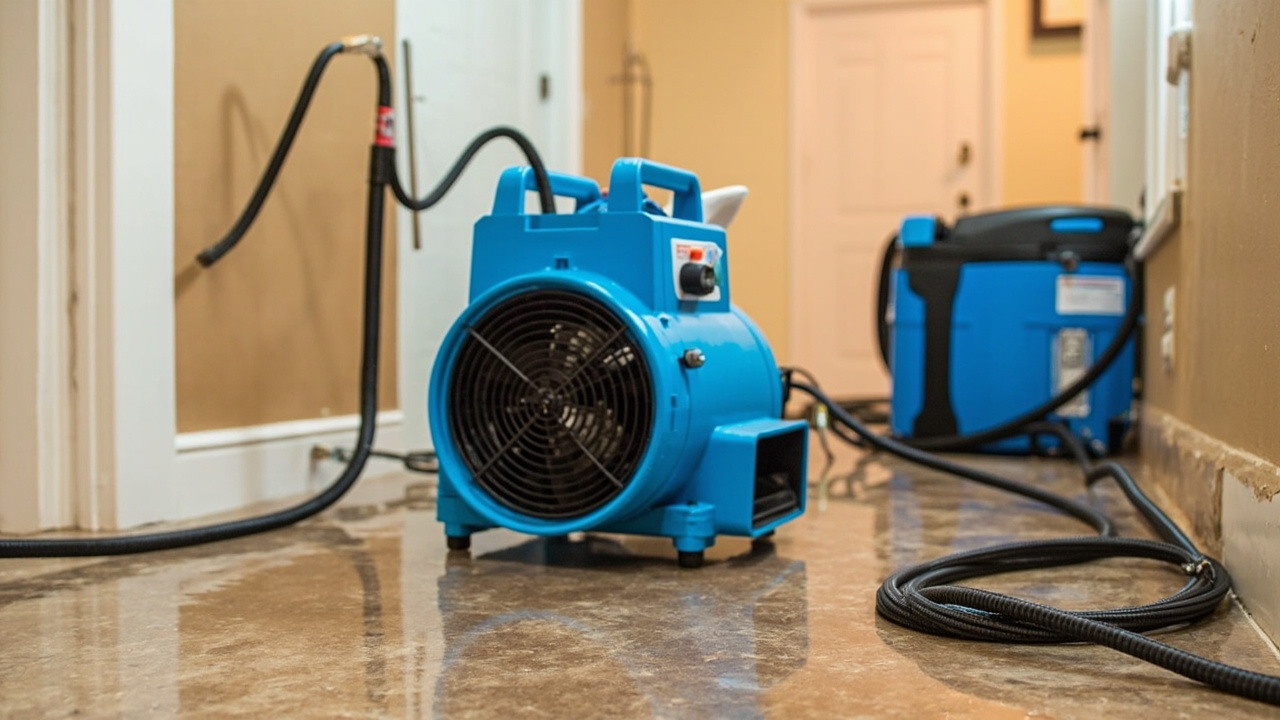
Once the pump is repaired, the work of restoration begins. Standing water must be removed using professional grade truck mounted extractors. These machines are much more powerful than a standard shop vac. They remove water from carpet pads and deep within the flooring. After the bulk of the water is gone, the drying process starts. This involves high velocity air movers and industrial dehumidifiers. In the Gwinnett County area, the high outdoor humidity makes it difficult for a basement to dry on its own. Professionals use moisture meters to track the progress of the drying and ensure that no hidden pockets of water remain behind the walls.
If the water came from the ground, it is considered Category 2 or 3 water. This means it contains bacteria and contaminants from the soil. Simply drying the area is not enough. The space must be sanitized to prevent health issues. This is especially important for homes that have experienced regional flooding like Sandy Springs flood cleanup sites. Technicians will apply antimicrobial treatments to the concrete and any salvaged materials. If the carpet was submerged in ground water, it usually needs to be replaced for safety reasons.
Maintaining Your Sump Pump to Prevent Future Failures
Preventative maintenance is the key to avoiding a basement flood in Peachtree Corners. You should inspect your pump at least twice a year. Ideally, do this once in the spring before the heavy rains and once in the fall. Pour a bucket of water into the pit to make sure the float switch rises and the pump turns on. Listen for any unusual noises. Check the discharge pipe outside to ensure it is not blocked by mulch or debris. In many Gwinnett neighborhoods, squirrels and birds like to nest in these pipes, which can cause a backup.
- Clean the bottom of the pump pit to remove silt and gravel.
- Check the power cord for any signs of wear or fraying.
- Ensure the discharge pipe carries water at least ten feet away from the foundation.
- Test the battery backup to see if it still holds a full charge.
- Replace the primary pump every seven to ten years regardless of performance.
Modern 2026 pumps often come with smart technology. These systems send an alert to your phone if the water level reaches a critical point or if the pump loses power. This feature is incredibly useful for Peachtree Corners residents who travel frequently. Being able to call for help while you are away can save your basement from total destruction. If you manage a commercial property, you should look into minimizing business downtime with Atlanta commercial water damage restoration strategies to protect your assets.
Understanding the Role of the Water Table in North Atlanta
The local water table in Peachtree Corners is influenced by the Chattahoochee River basin. When the river level rises, the surrounding groundwater level also increases. This creates a situation where your sump pump might run for days even after the rain has stopped. This is normal, but it puts a lot of stress on the motor. You should ensure that your pump is rated for continuous duty if you live in a high water table zone. According to data from Ready.gov, understanding your local flood risk is a critical part of home maintenance. Check your property for proper grading. If the ground slopes toward your house, your pump will always be under high stress. Adjusting the landscaping can take some of the pressure off your mechanical systems.
Long Term Solutions for a Dry Basement
If your pump fails frequently, you may need to look at more than just a repair. Sometimes the pit itself is too small for the volume of water. Installing a larger basin or a second pit in a different corner of the basement can help. You might also consider an interior perimeter drain system. This collects water before it ever reaches the basement floor and directs it straight to the sump pump. This is a common upgrade for older homes in the 30092 and 30071 zip codes. A dry basement increases your home value and provides peace of mind during the intense 2026 storm season. Do not wait for the next flash flood to address your pump issues. Contact a local expert to evaluate your system and ensure you are ready for whatever the Georgia weather brings.
{
“@context”: “https://schema.org”,
“@type”: “BlogPosting”,
“headline”: “Managing a Sump Pump Failure During a Heavy Peachtree Corners Storm”,
“description”: “Learn how to handle a sump pump failure in Peachtree Corners. Expert advice on basement flooding, pump repair, and emergency water restoration in Gwinnett.”,
“wordCount”: 1972,
“datePublished”: “2026-04-22T08:54:00.000Z”,
“dateModified”: “2026-04-22T08:54:00.000Z”,
“inLanguage”: “en-US”,
“mainEntityOfPage”: {
“@type”: “WebPage”,
“@id”: “https://victorywaterdamagerestorationatlanta.com”
},
“publisher”: {
“@type”: “LocalBusiness”,
“name”: “Victory Water Damage Restoration Atlanta”,
“url”: “https://victorywaterdamagerestorationatlanta.com”
},
“author”: {
“@type”: “Organization”,
“name”: “Victory Water Damage Restoration Atlanta”,
“url”: “https://victorywaterdamagerestorationatlanta.com”
},
“image”: {
“@type”: “ImageObject”,
“url”: “https://victorywaterdamagerestorationatlanta.com/wp-content/uploads/2026/03/how-to-handle-a-sump-pump-failure-during-a-heavy-p-1.jpg”
}
}
{
“@context”: “https://schema.org”,
“@type”: “LocalBusiness”,
“name”: “Victory Water Damage Restoration Atlanta”,
“url”: “https://victorywaterdamagerestorationatlanta.com”,
“address”: {
“@type”: “PostalAddress”,
“addressLocality”: “Atlanta”
},
“areaServed”: {
“@type”: “City”,
“name”: “Atlanta”
}
}
{
“@context”: “https://schema.org”,
“@type”: “BreadcrumbList”,
“itemListElement”: [
{
“@type”: “ListItem”,
“position”: 1,
“name”: “Home”,
“item”: “https://victorywaterdamagerestorationatlanta.com”
},
{
“@type”: “ListItem”,
“position”: 2,
“name”: “Blog”,
“item”: “https://victorywaterdamagerestorationatlanta.com/blog”
},
{
“@type”: “ListItem”,
“position”: 3,
“name”: “Managing a Sump Pump Failure During a Heavy Peachtree Corners Storm”
}
]
}
{
“@context”: “https://schema.org”,
“@type”: “Service”,
“serviceType”: “Water Damage Restoration”,
“provider”: {
“@type”: “LocalBusiness”,
“name”: “Victory Water Damage Restoration Atlanta”,
“url”: “https://victorywaterdamagerestorationatlanta.com”
},
“areaServed”: {
“@type”: “City”,
“name”: “Atlanta”
},
“description”: “Learn how to handle a sump pump failure in Peachtree Corners. Expert advice on basement flooding, pump repair, and emergency water restoration in Gwinnett.”
}