
How Your Vinings Yard Drainage Leads to Foundation Water Seepage
Homeowners in the Vinings area face unique challenges when it gets rainy in Atlanta. The rolling hills near the Chattahoochee River and the dense Georgia red clay create a difficult environment for residential foundations. If your yard does not move water away from your home properly, that moisture eventually finds its way into your crawlspace or basement. Understanding the signs your Vinings yard drainage is actually causing water to seep through your foundation helps you stop damage before it requires major restoration. In 2026, we see more frequent heavy rain events that put extreme pressure on local drainage systems.
The Role of Georgia Red Clay in Foundation Damage
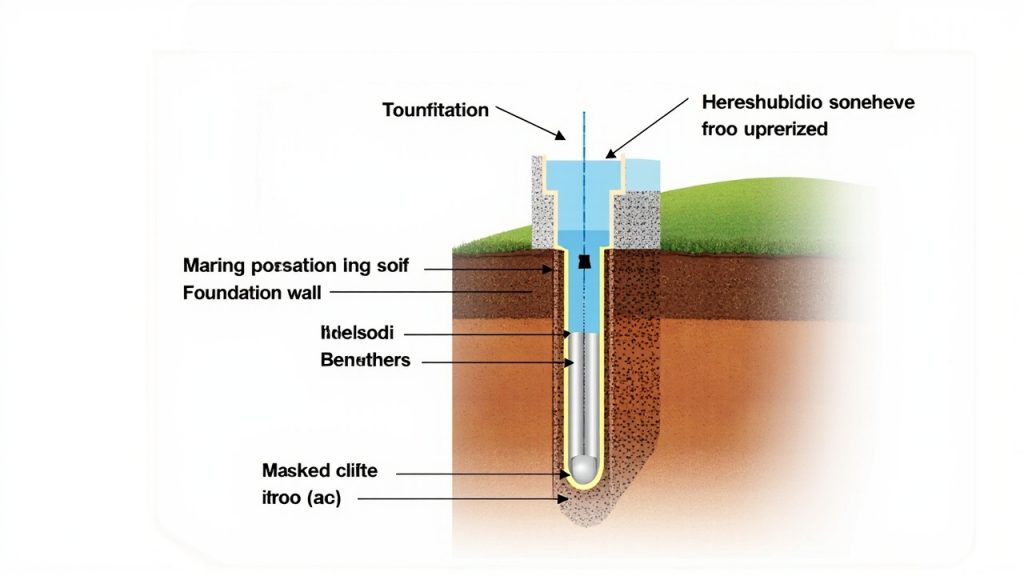
Georgia red clay is a common sight across the Atlanta metro area. This soil is famous for its high density and poor drainage. Unlike sandy soil that allows water to pass through, clay holds onto moisture. When the soil around your Vinings home becomes saturated, it expands. This expansion creates massive amounts of force against your foundation walls. This force is known as hydrostatic pressure. If the water has nowhere to go because your yard drainage is blocked or poorly graded, the pressure builds until the water pushes through the porous concrete of your foundation.
The hilly topography of Vinings often means that your neighbors yard sits at a higher elevation than yours. During a typical spring storm in 2026, water cascades down these slopes. If your property is not prepared to divert this runoff, the water pools against your foundation. This creates a clay bowl effect where your home sits in a saturated pocket of earth. Over time, this constant moisture weakens the structural integrity of the concrete and leads to seepage.
[IMAGE_PLACE_HOLDER_1]
Early Warning Signs of Water Seepage
You might not see a puddle on your basement floor immediately. Seepage often starts with subtle clues that indicate a drainage problem in your yard. One of the most common signs is efflorescence. This is a white, powdery substance that appears on brick or concrete walls. It occurs when water evaporates and leaves behind minerals. If you see white streaks on your basement walls near the floor, water is moving through the foundation. Musty odors are another major red flag. In the humid climate of Atlanta, dampness quickly leads to microbial growth. If your basement smells like old socks, you have a moisture problem.
Peeling paint and bubbling wallpaper also suggest that moisture is trapped behind the surface. If your yard drainage is failing, you might notice that the lower sections of your drywall feel soft or cold to the touch. These issues often worsen after several days of heavy rain. Many residents in neighborhoods like Orchard Knob or Paces Ferry have found that their landscape grading has shifted over the years, leading to these exact symptoms. If you ignore these signs, you may eventually need fast emergency water damage restoration in Atlanta when a heavy storm finally forces a large volume of water into your home.
How Yard Grading Affects Your Foundation Health
Proper grading is the first line of defense against water intrusion. The ground should slope away from your foundation at a rate of at least six inches for every ten feet. In many older Vinings properties, the soil has settled over time. This creates a negative grade where the ground slopes toward the house. When rain falls, it flows into the gap between the soil and your foundation. This is a primary reason why many luxury homes in Buckhead and Vinings experience damp basements even without a plumbing failure.
Check the areas under your eaves and near your flower beds. If you see depressions or low spots, water is likely collecting there. In 2026, professional landscapers often use specialized equipment to measure the exact pitch of your yard. If the grade is incorrect, you must add soil and compact it to ensure water moves toward the street or a designated drainage area. Failing to fix the grade means your foundation will always be under attack from the elements.
Comparing Common Drainage Solutions for Atlanta Homes
If grading alone does not fix the problem, you may need to install a more complex drainage system. The right choice depends on your specific lot in Vinings and how much water you are dealing with. Use the table below to understand the common options used by professionals in the current market.
| Solution Name | Primary Function | Best Use Case | Maintenance Level |
|---|---|---|---|
| French Drain | Collects groundwater | Soggy yards and high water tables | Moderate yearly cleaning |
| Catch Basins | Collects surface runoff | Driveways and low spots in grass | High debris removal |
| Downspout Extensions | Moves gutter water away | Preventing water at the foundation edge | Low seasonal checks |
| Dry Creek Bed | Channels heavy flow | Steep hills and aesthetic landscaping | Very low |
| Sump Pump | Ejects interior water | Active seepage in basements | Annual professional service |
The Impact of Gutter Failures on Foundation Seepage
Gutters and downspouts are part of your yard drainage system. If your gutters are clogged with pine needles from the tall trees common in Vinings, the water overflows. This water falls directly next to your foundation. A single inch of rain on a standard roof can produce over a thousand gallons of water. When this volume of water dumps right at your base, your yard drainage cannot keep up. The water saturates the soil and creates immediate hydrostatic pressure.
Downspout placement is also critical. Many homes have downspouts that terminate just two feet from the wall. This is not far enough. In the red clay of Atlanta, you need to move that water at least six to ten feet away. Using underground pipes to carry gutter water to a pop-up emitter near the street is a smart way to protect your home. This prevents the water from ever reaching the soil near your foundation. While a burst pipe in Atlanta is a sudden crisis, gutter-related seepage is a slow process that destroys your home over months and years.
[IMAGE_PLACE_HOLDER_2]
Identifying Different Types of Foundation Cracks
Not all cracks in your foundation are cause for panic, but they all deserve an inspection. Vertical cracks are often the result of normal settling. However, horizontal cracks are a sign of serious hydrostatic pressure from poor yard drainage. These cracks indicate that the soil is pushing the wall inward. If you see horizontal cracking in your Vinings basement, you must address the exterior drainage issues immediately. Use this guide to identify the severity of the cracks you see.
| Crack Type | Appearance | Cause | Action Required |
|---|---|---|---|
| Hairline Vertical | Thin, up and down | Minor settling | Monitor and seal |
| Stair Step | Follows mortar lines | Soil shifting or drying | Professional inspection |
| Horizontal | Side to side | Heavy hydrostatic pressure | Immediate structural repair |
| Wide Gaps | Over 1/4 inch wide | Severe structural movement | Emergency stabilization |
Internal Drainage vs External Waterproofing
When yard drainage fails, you have two main paths for repair. External waterproofing involves digging up the soil around your foundation and applying a waterproof membrane. This is an effective but expensive process that requires significant excavation. In many Vinings neighborhoods where landscaping is mature and expensive, this may not be the first choice. Internal drainage is often more practical. This involves cutting a channel into the basement floor to collect seepage and direct it to a sump pump.
A sump pump is a mechanical device that sits in a pit. When the water level rises, the pump turns on and pushes the water out of the house. This manages the seepage that your yard drainage could not prevent. In 2026, many homeowners choose smart sump pumps that send alerts to their phones if the power goes out or the pump fails. This provides peace of mind during the heavy thunderstorms that frequently roll through the metro area. If you live in a nearby area like Cobb County, you might also look into Sandy Springs flood cleanup services to see how professionals handle large scale water extraction after a drainage failure.
Steps to Take After Noticing Foundation Seepage
If you find water entering your foundation, do not wait for the next storm to act. Follow these steps to minimize damage and find the source of the problem.
- Inspect your gutters and downspouts for clogs and proper orientation.
- Check the grade of the soil within ten feet of your foundation walls.
- Look for standing water in your yard after a rainstorm.
- Examine the interior walls for efflorescence or damp spots.
- Check your sump pump to ensure it is operational and has a backup battery.
- Clear any debris from area drains or French drain outlets.
- Consult with a water restoration expert to assess the moisture levels in your walls.
If you own a business in the area, the stakes are even higher. Commercial properties often have larger roof surfaces and more complex drainage needs. Failing to manage this can lead to significant downtime. For business owners, seeking Atlanta commercial water damage restoration is essential to protect assets and maintain operations during wet seasons. The building codes in Georgia, as outlined by the Georgia Soil and Water Conservation Commission, emphasize the importance of managing runoff to protect both property and the local environment.
When to Call a Restoration Professional
Seepage might seem like a small annoyance, but it is often the precursor to a major mold problem or structural failure. If you notice that your basement stays damp for more than twenty-four hours after a rain, the moisture is trapped. This is when mold begins to grow. A restoration professional uses moisture meters and thermal imaging cameras to see water that is hidden behind your walls. They can tell you if the water is coming from the ground or a hidden leak.
Organizations like the IICRC set the standards for how professionals should dry out a home and remediate mold. Working with a certified expert ensures that the drying process is handled correctly. In the current year, 2026, we have access to high-capacity dehumidifiers and air movers that can stabilize a damp basement in a fraction of the time it used to take. Do not let a small drainage issue turn into a total loss of your finished basement or crawlspace.
Protecting your Vinings home starts with a walk around your property during the next rainstorm. Watch where the water flows. If it is moving toward your foundation, you have a problem that needs your attention. By fixing your yard drainage and addressing foundation seepage early, you save yourself the stress and expense of major water damage repairs. If you find yourself facing a wet basement, reach out to an expert who knows the specific soil and topography of the Atlanta area to get your home dry and safe again.
{
“@context”: “https://schema.org”,
“@type”: “BlogPosting”,
“headline”: “How Your Vinings Yard Drainage Leads to Foundation Water Seepage”,
“description”: “Discover why Vinings yard drainage causes foundation seepage. Learn signs of water intrusion in Georgia clay and how to protect your Atlanta home in 2026.”,
“wordCount”: 1789,
“datePublished”: “2026-03-30T13:20:00.000Z”,
“dateModified”: “2026-03-30T13:20:00.000Z”,
“inLanguage”: “en-US”,
“mainEntityOfPage”: {
“@type”: “WebPage”,
“@id”: “https://victorywaterdamagerestorationatlanta.com”
},
“publisher”: {
“@type”: “LocalBusiness”,
“name”: “Victory Water Damage Restoration Atlanta”,
“url”: “https://victorywaterdamagerestorationatlanta.com”
},
“author”: {
“@type”: “Organization”,
“name”: “Victory Water Damage Restoration Atlanta”,
“url”: “https://victorywaterdamagerestorationatlanta.com”
},
“image”: {
“@type”: “ImageObject”,
“url”: “https://victorywaterdamagerestorationatlanta.com/wp-content/uploads/2026/03/signs-your-vinings-yard-drainage-is-actually-causi-1.jpg”
}
}
{
“@context”: “https://schema.org”,
“@type”: “LocalBusiness”,
“name”: “Victory Water Damage Restoration Atlanta”,
“url”: “https://victorywaterdamagerestorationatlanta.com”,
“address”: {
“@type”: “PostalAddress”,
“addressLocality”: “Atlanta”
},
“areaServed”: {
“@type”: “City”,
“name”: “Atlanta”
}
}
{
“@context”: “https://schema.org”,
“@type”: “BreadcrumbList”,
“itemListElement”: [
{
“@type”: “ListItem”,
“position”: 1,
“name”: “Home”,
“item”: “https://victorywaterdamagerestorationatlanta.com”
},
{
“@type”: “ListItem”,
“position”: 2,
“name”: “Blog”,
“item”: “https://victorywaterdamagerestorationatlanta.com/blog”
},
{
“@type”: “ListItem”,
“position”: 3,
“name”: “How Your Vinings Yard Drainage Leads to Foundation Water Seepage”
}
]
}
{
“@context”: “https://schema.org”,
“@type”: “Service”,
“serviceType”: “Water Damage Restoration”,
“provider”: {
“@type”: “LocalBusiness”,
“name”: “Victory Water Damage Restoration Atlanta”,
“url”: “https://victorywaterdamagerestorationatlanta.com”
},
“areaServed”: {
“@type”: “City”,
“name”: “Atlanta”
},
“description”: “Discover why Vinings yard drainage causes foundation seepage. Learn signs of water intrusion in Georgia clay and how to protect your Atlanta home in 2026.”
}