
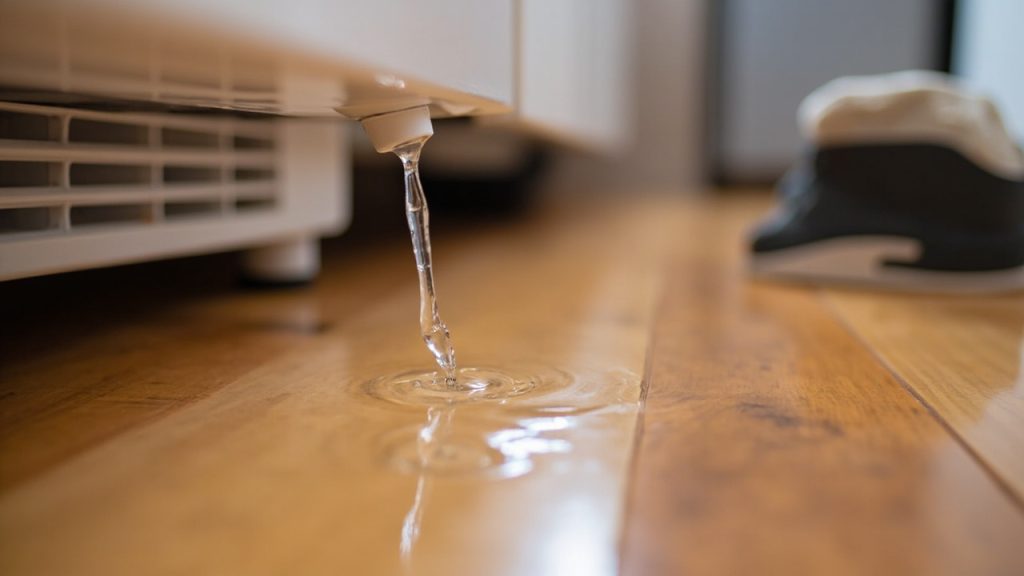
Kirkwood kitchens are often the pride of the home. Whether you live in a classic 1920s bungalow or a modern renovation near Pratt-Pullman Yard, your kitchen probably features high-end appliances and beautiful flooring. A slow leak from a refrigerator water line is one of the most common threats to these spaces. These leaks are often tiny. They might only release a few drops an hour. Over weeks and months, that moisture builds up behind your cabinetry and under your floors. In the humid 2026 Atlanta climate, this leads to structural rot and mold growth faster than you might expect.
Early detection saves you from a massive restoration project. If you catch the moisture early, you might only need a simple appliance repair. If you wait until you see water on the floor, you might be looking at a full kitchen tear-out. Knowing the signs of a failing line is essential for every homeowner in East Atlanta. If the damage has already started, seeking fast emergency water damage restoration in Atlanta is the only way to save your original hardwoods and subfloors.
Visual symptoms of a failing water line
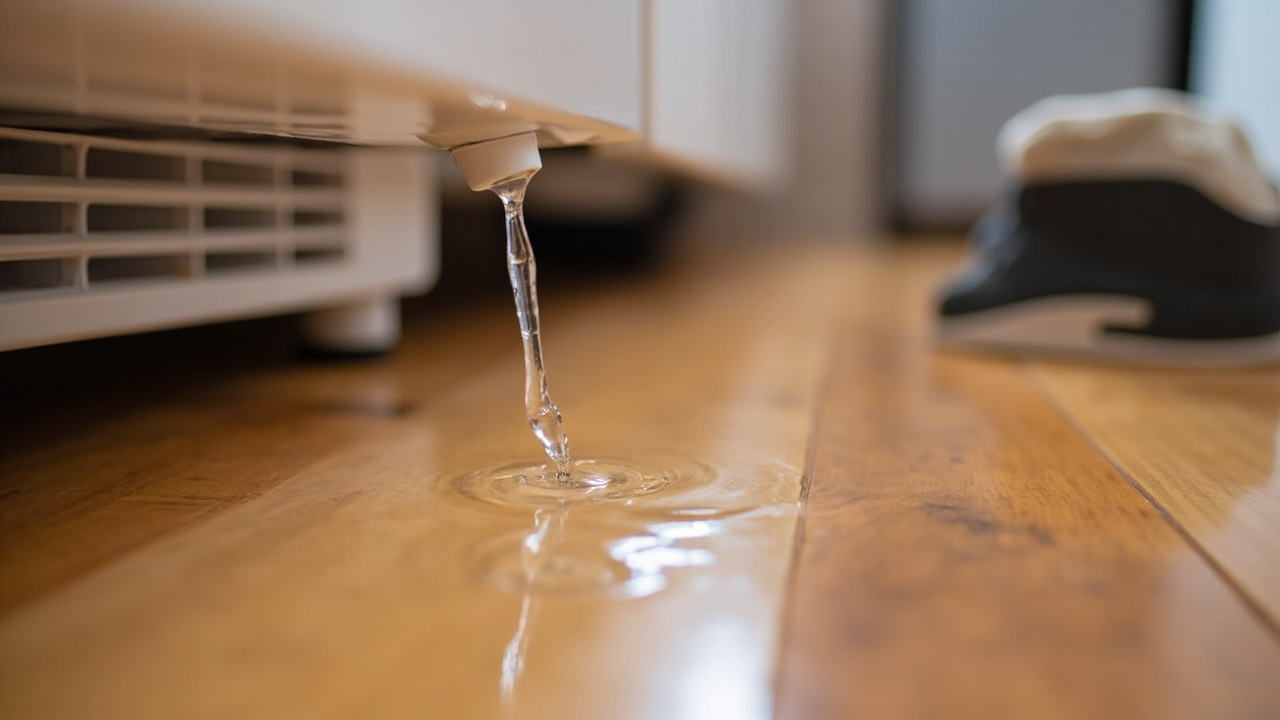
Most people look for puddles in front of the fridge. While a large pool of water is a clear sign of trouble, slow leaks often stay hidden behind the unit. You should periodically inspect the area around the base of your refrigerator. Look for any changes in the floor or the wall behind the appliance. In many Kirkwood homes, the kitchen flooring consists of heart pine or oak. When these woods get wet, they expand. You might notice the boards starting to cup or crown. This means the edges of the boards are higher than the centers or vice versa. This physical change is a definitive sign of moisture saturation.
Check the ice maker performance as well. If your ice cubes are smaller than usual or if the ice maker is struggling to fill, it could indicate a pinhole leak in the supply line. This reduces the water pressure reaching the appliance. You might also notice a damp smell. Atlanta humidity already makes homes prone to musty odors, but a localized smell of wet wood or soil behind the fridge is a red flag. This often points to the early stages of mold growth on the drywall or the subfloor.
Another often ignored sign is the condition of the baseboards. Look at the paint or the wood finish on the baseboards directly behind or adjacent to the refrigerator. If the paint is bubbling or peeling, moisture is likely wicking up from the floor. Drywall is porous and acts like a sponge. It will pull water upward from a leak on the floor. This can cause the wall to soften or discolor. If you touch the wall and it feels soft or damp, the leak has been active for a significant amount of time.
Hidden damage and structural risks
The danger of a slow leak is that it stays out of sight. In Kirkwood, many homes sit on crawl spaces. A slow leak can drip through the subfloor and into the crawl space for months. This creates a perfect environment for wood-destroying fungi and mold. By the time the kitchen floor feels soft, the floor joists underneath might already be compromised. This is a common issue we see when providing professional water damage restoration for luxury homes in Buckhead and other historic Atlanta neighborhoods.
When water sits under cabinets, it can cause the particle board or plywood of the cabinet boxes to swell. This often leads to the doors not closing correctly or the cabinet floor sagging. Because these areas are dark and lack airflow, mold can thrive. The Environmental Protection Agency provides guidelines on mold remediation that emphasize the importance of drying structures within 24 to 48 hours. If a leak has been slow-dripping for weeks, you have already passed that window. Professional intervention becomes necessary to ensure the air quality in your home remains safe for your family.
| Time Passed | Typical Damage Occurring | Restoration Complexity |
|---|---|---|
| 1 to 7 Days | Surface dampness and finish bubbling | Low. Often requires minor drying and line replacement. |
| 1 to 4 Weeks | Hardwood cupping and drywall saturation | Medium. Requires professional dehumidification and floor drying. |
| 1 to 3 Months | Subfloor rot and active mold colonies | High. Involves material removal and mold remediation. |
| 3 Months plus | Structural joist damage and cabinet failure | Extreme. Likely requires full kitchen reconstruction. |
How to inspect your refrigerator water line safely
Inspecting the line requires caution. Most refrigerators in 2026 use either plastic PEX tubing, copper lines, or braided stainless steel hoses. Each has its own failure points. Plastic lines are prone to becoming brittle over time. They can crack if the fridge is pushed too far back against the wall. Copper lines can develop pinhole leaks due to corrosion or if they become kinked. Braided hoses are the most durable, but the gaskets at the connection points can fail.
To inspect the line, you must pull the refrigerator out from the wall. Do this slowly. If the line is already brittle, a sudden movement could cause a burst pipe in Atlanta kitchens, leading to an immediate flood. Have a towel and a bucket ready. Once you have access to the back, look at the following components.
- The solenoid water valve where the line connects to the fridge.
- The compression fitting at the wall shut-off valve.
- The entire length of the tubing for any dampness or mineral deposits.
- The floor directly under the water connection for staining.
If you see a slow drip, do not try to patch it with tape. This is a temporary fix that will fail. The line needs to be replaced. If you see white or green crusty buildup on the connections, that is a sign of a slow leak that has been self-sealing with mineral deposits. These are ticking time bombs that will eventually fail completely.
The Atlanta factor and mold growth
Atlanta is known for high humidity. In 2026, our summers are as damp as ever. This humidity plays a massive role in how water damage behaves. When a refrigerator leaks in a dry climate, some of the moisture might evaporate. In Atlanta, the air is often already saturated. This means the water stays in the wood and the drywall longer. High humidity also accelerates the growth of mold. Species like Stachybotrys and Aspergillus can begin to colonize damp surfaces in as little as two days.
In Kirkwood, many homes are older and may have original plaster walls or thick wood paneling. These materials hold moisture differently than modern drywall. Plaster is dense and can stay wet for a long time. This can hide a leak for even longer than drywall. If you live in a slab-on-grade home, the water has nowhere to go but out. It will travel under your flooring across the entire kitchen. If you are in a home with a crawl space, the water will follow the path of least resistance through the subfloor. This can lead to a messy situation involving Sandy Springs flood cleanup and professional water extraction techniques if the leak is not caught quickly.
| Material Type | Average Lifespan | Failure Risk Factors | Replacement Difficulty |
|---|---|---|---|
| Plastic PEX | 5 to 8 Years | Cracking and heat damage | Easy |
| Soft Copper | 10 to 15 Years | Kinking and pinhole corrosion | Moderate |
| Braided Stainless | 15 plus Years | Gasket wear and loose fittings | Easy |
What to do when you find a leak
If you confirm a leak, your first step is to turn off the water. Most refrigerators have a dedicated shut-off valve behind the unit or under the kitchen sink. Turn this valve clockwise until it stops. If the valve is stuck, do not force it. You may need to turn off the main water supply to the house. Once the water is off, pull the fridge out completely to assess the damage. Use a wet-dry vacuum to remove any standing water on the floor.
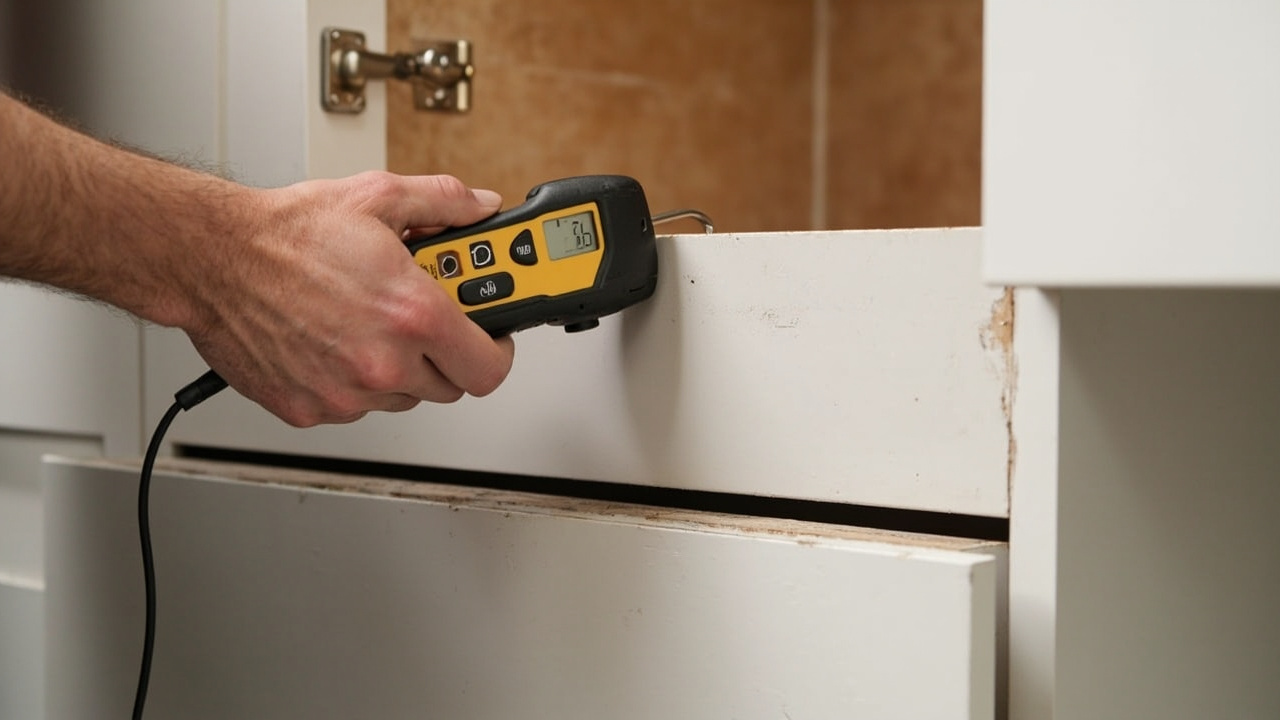
Surface drying is rarely enough. Water often gets trapped in the grooves of hardwood or under the kitchen tiles. This is where professional moisture meters are required. Professionals use non-invasive meters to check the moisture content of your flooring and walls. This reveals exactly how far the water has traveled. If the moisture levels are high, we use specialized equipment like LGR dehumidifiers and high-velocity air movers to pull the moisture out of the structure. This is critical for maintaining business continuity if you are dealing with Atlanta commercial water damage restoration for a restaurant or office kitchen.
Do not wait for the floor to dry on its own. The longer wood stays wet, the more likely it is to suffer permanent deformation. In 2026, the technology for floor drying has advanced. We can often save hardwoods that would have been a total loss in previous decades. This involves using floor mats that create a vacuum seal. This pulls moisture directly through the wood pores. It is a highly effective way to restore your Kirkwood kitchen without the cost of a full renovation.

The restoration and drying process
Restoration is a scientific process called psychrometry. It is the study of the air and its properties, specifically moisture and temperature. To dry your kitchen, we must balance the temperature and the humidity to create the ideal environment for evaporation. In the heavy Atlanta air, this often requires heavy-duty dehumidification. We monitor the progress daily, taking readings of the air coming out of the dehumidifiers and the moisture content of the building materials. We follow the standards set by the Institute of Inspection Cleaning and Restoration Certification to ensure your home is truly dry.
Once the area is dry, we look for secondary damage. This includes checking for mold and ensuring the structural integrity of the subfloor. If mold is found, it must be contained and removed safely. We use HEPA filtration to clean the air and prevent spores from spreading to the rest of your home. Only after the moisture levels are back to normal can repairs begin. This might include replacing the baseboards, refinishing the hardwood, or patching the drywall behind the fridge.
Preventing future leaks is just as important as the cleanup. We recommend replacing your water line every five to seven years if you use plastic or copper. Switching to a high-quality braided stainless steel line is a smart upgrade for any homeowner. Also, consider installing a leak detection sensor behind your refrigerator. These small devices can send an alert to your phone the moment they detect moisture. This gives you the peace of mind that your Kirkwood kitchen is protected from hidden water damage.
If you suspect your refrigerator has been leaking, do not ignore the signs. Small damp spots and musty smells are the first warnings of a larger problem. Taking action today can save your kitchen and your budget. Contact a professional restoration team to perform a moisture inspection. We use thermal imaging and advanced sensors to find water that you cannot see. This ensures your home stays safe, dry, and mold-free in the heart of Atlanta.
{
“@context”: “https://schema.org”,
“@type”: “BlogPosting”,
“headline”: “How to spot a slow refrigerator water line leak before it ruins your Kirkwood kitchen”,
“description”: “Identify hidden refrigerator water line leaks in your Kirkwood kitchen. Prevent mold and hardwood damage with expert tips for Atlanta homeowners in 2026.”,
“wordCount”: 1863,
“datePublished”: “2026-04-23T05:55:00.000Z”,
“dateModified”: “2026-04-23T05:55:00.000Z”,
“inLanguage”: “en-US”,
“mainEntityOfPage”: {
“@type”: “WebPage”,
“@id”: “https://victorywaterdamagerestorationatlanta.com”
},
“publisher”: {
“@type”: “LocalBusiness”,
“name”: “Victory Water Damage Restoration Atlanta”,
“url”: “https://victorywaterdamagerestorationatlanta.com”
},
“author”: {
“@type”: “Organization”,
“name”: “Victory Water Damage Restoration Atlanta”,
“url”: “https://victorywaterdamagerestorationatlanta.com”
},
“image”: {
“@type”: “ImageObject”,
“url”: “https://victorywaterdamagerestorationatlanta.com/wp-content/uploads/2026/03/how-to-spot-a-slow-refrigerator-water-line-leak-be-1.jpg”
}
}
{
“@context”: “https://schema.org”,
“@type”: “LocalBusiness”,
“name”: “Victory Water Damage Restoration Atlanta”,
“url”: “https://victorywaterdamagerestorationatlanta.com”,
“address”: {
“@type”: “PostalAddress”,
“addressLocality”: “Atlanta”
},
“areaServed”: {
“@type”: “City”,
“name”: “Atlanta”
}
}
{
“@context”: “https://schema.org”,
“@type”: “BreadcrumbList”,
“itemListElement”: [
{
“@type”: “ListItem”,
“position”: 1,
“name”: “Home”,
“item”: “https://victorywaterdamagerestorationatlanta.com”
},
{
“@type”: “ListItem”,
“position”: 2,
“name”: “Blog”,
“item”: “https://victorywaterdamagerestorationatlanta.com/blog”
},
{
“@type”: “ListItem”,
“position”: 3,
“name”: “How to spot a slow refrigerator water line leak before it ruins your Kirkwood kitchen”
}
]
}
{
“@context”: “https://schema.org”,
“@type”: “Service”,
“serviceType”: “Water Damage Restoration”,
“provider”: {
“@type”: “LocalBusiness”,
“name”: “Victory Water Damage Restoration Atlanta”,
“url”: “https://victorywaterdamagerestorationatlanta.com”
},
“areaServed”: {
“@type”: “City”,
“name”: “Atlanta”
},
“description”: “Identify hidden refrigerator water line leaks in your Kirkwood kitchen. Prevent mold and hardwood damage with expert tips for Atlanta homeowners in 2026.”
}