
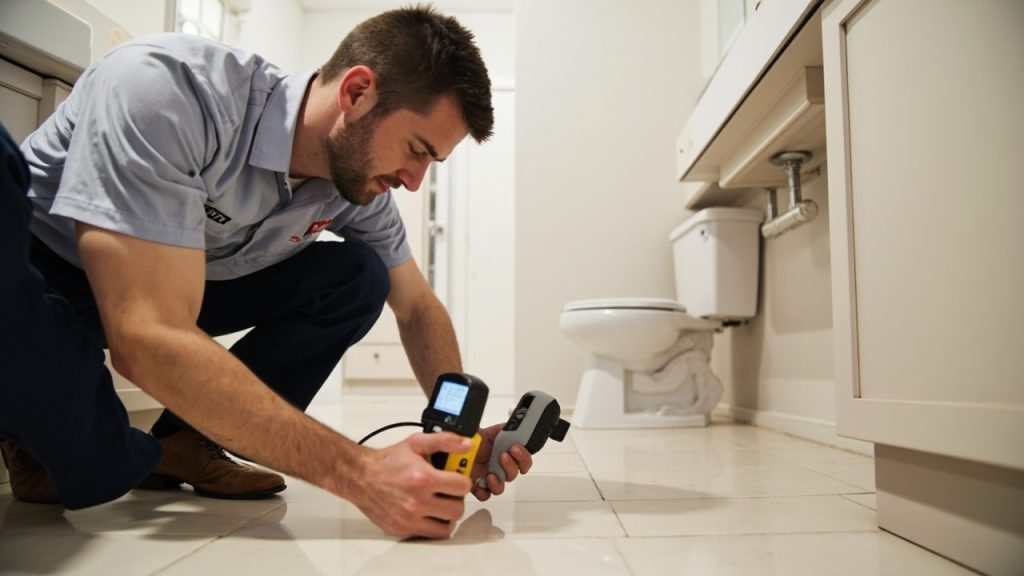
Why a Running Toilet in Your College Park Rental is a Major Flood Risk
A running toilet is often viewed as a minor inconvenience in many College Park rental properties. Residents might hear the faint sound of water trickling in the tank and assume it is only a waste of a few gallons. In 2026, the reality of high pressure municipal water systems in the Atlanta metro area means a simple mechanical failure can escalate into a full scale flood within hours. When a fill valve fails or a flapper remains open, the constant flow of water puts immense pressure on the overflow tube. If the bathroom floor drain is blocked or the toilet bowl itself has a partial obstruction, that clean water quickly becomes a biohazard as it spills over the rim and saturates the subfloor.
College Park features a unique mix of historic bungalows near Main Street and modern apartment complexes closer to the airport. This variety in architectural styles means that plumbing systems vary significantly in age and material. Older cast iron pipes in South Atlanta are prone to internal scaling. This scaling narrows the pipe diameter and makes a toilet overflow much more likely if the water runs continuously. When you ignore a running toilet, you are gambling with the structural integrity of your rental unit and the health of the occupants. Professional intervention is necessary to prevent long term degradation of the building materials.
The Mechanical Failure Behind the Flood Risk
A toilet runs because the internal components of the tank fail to seal properly. The flapper is a rubber disk that prevents water from entering the bowl until the handle is pulled. Over time, the chlorine and minerals in the Atlanta water supply degrade this rubber. When the flapper warps, water constantly leaks into the bowl. The fill valve then stays open to replenish the tank. If the fill valve itself malfunctions, it may never shut off even when the tank is full. This sends a constant stream of water down the overflow tube. If any obstruction exists in the trap or the main line, the water has nowhere to go but out onto your bathroom floor.
In 2026, many property managers in the Tri-Cities area have moved to high efficiency toilets. While these save water, they often use complex pressure-assisted systems. A failure in these systems can result in a high volume of water being released much faster than a traditional gravity-fed toilet. If you notice your toilet cycling on and off every few minutes, you have a silent leak. This is the first stage of a potential flood. For more severe plumbing issues, such as a localized pipe failure, you may need emergency help for a burst pipe in Atlanta and how to find fast cleanup to prevent the water from reaching other rooms.
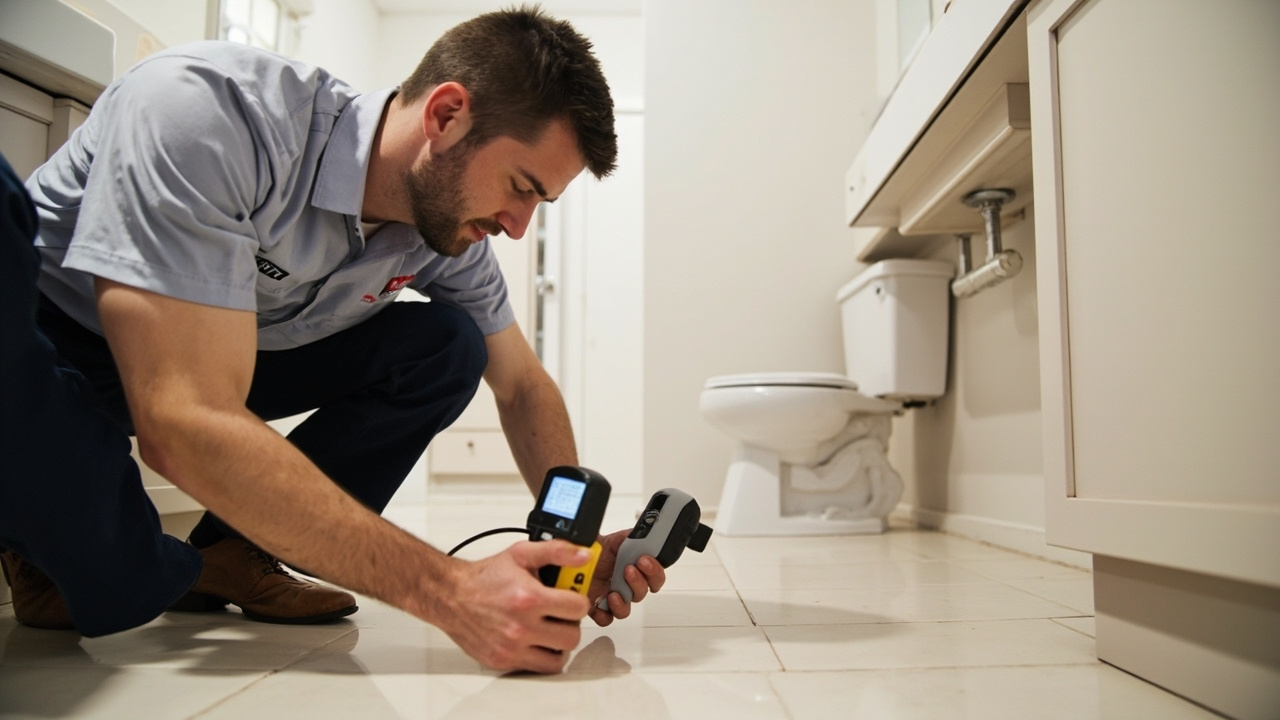
Immediate Steps for College Park Renters and Landlords
If you walk into your rental unit and find the bathroom floor covered in water, you must act with speed. The longer water sits on the floor, the deeper it penetrates into the building envelope. In the humid 2026 Atlanta climate, mold spores can begin to germinate on damp drywall and baseboards in less than 24 hours. Follow these steps to minimize the damage before the restoration professionals arrive.
- Turn off the water supply valve located behind the toilet base. Rotate the knob clockwise until it stops.
- If the valve is stuck, locate the main water shut-off for the entire unit or house.
- Do not attempt to flush the toilet again as this will only add more water to the floor.
- Avoid contact with the water if it originated from the bowl after use as this is considered Category 3 water.
- Move any porous items like rugs, towels, or bathroom mats to a non-flooded area like a bathtub or a garage.
- Contact a professional restoration company immediately to begin the extraction process.
Speed is the most critical factor in these situations. Learning how to get fast emergency water damage restoration in Atlanta when every minute counts can be the difference between a simple dry out and a massive reconstruction project. Our team serves the entire South Atlanta area and can often arrive on site in College Park within an hour of your call.
Understanding the Categories of Water Damage
Restoration professionals classify water based on its level of contamination. This classification dictates the safety protocols and cleaning methods used during the project. A running toilet that has not been used recently might start as Category 1 water. However, as that water flows over a bathroom floor and sits in the grout lines or seeps under the floorboards, it quickly degrades. If the toilet contains any human waste, it is immediately classified as Category 3 or Black Water.
Category 1 Clean Water
This is water from a clean source like the supply line or the tank itself. It poses no immediate threat to humans. However, if it stays on the floor for more than 48 hours, it can transition to Category 2 as it reacts with floor cleaners and dust.
Category 2 Gray Water
This water contains some contamination. It might come from a dishwasher or a washing machine. In a toilet situation, if the water has been sitting on a dirty floor for a day, it is treated as gray water. It can cause discomfort or illness if ingested.
Category 3 Black Water
This is the most dangerous classification. It contains pathogenic agents and raw sewage. According to the CDC guidelines on water safety and hygiene, exposure to this water can lead to serious illnesses like E. coli or Hepatitis A. Professional restoration teams use specialized antimicrobial treatments and personal protective equipment to handle this category of damage.
| Factor | Category 1 Clean | Category 2 Gray | Category 3 Black |
|---|---|---|---|
| Porous Materials | Often Salvageable | Case by Case | Usually Discarded |
| Disinfection | Low Level | High Level Required | Full Biohazard Protocol |
| Protective Gear | Standard | Gloves and Boots | Full Tyvek and Respirators |
| Drying Method | Standard Air Movers | Dehumidification Needed | High Heat and HEPA Air Scrubbers |
The Impact of Atlanta Humidity on Restoration Timelines
In 2026, Atlanta continues to experience high humidity levels that significantly affect the psychrometrics of water restoration. Psychrometrics is the study of thermodynamic properties of moist air. When we are drying a rental property in College Park, we have to account for the outdoor air being nearly saturated with moisture. Simply opening the windows will not help. It will make the situation worse by introducing more moisture into the porous drywall.
We use industrial grade LGR dehumidifiers to pull moisture out of the air. This creates a vapor pressure differential that forces moisture out of the wood studs and subfloor. For owners of premium rentals, professional water damage restoration for luxury homes in Buckhead or College Park involves moisture mapping with thermal imaging cameras. These cameras allow us to see water that is trapped behind the walls without having to tear them down first. This level of precision is vital for maintaining the value of the property.
Landlord Liability and Business Continuity
If you are a landlord in College Park, a running toilet is a liability issue. If a tenant reports a running toilet and it is not repaired, any subsequent flood and mold growth could be legally attributed to owner negligence. Ensuring your properties are inspected regularly for plumbing leaks is essential for business continuity. We assist property owners with minimizing business downtime with Atlanta commercial water damage restoration strategies that get tenants back into their units quickly.
A flood in a multi-family building in College Park can affect multiple units. Water follows the path of least resistance, which usually means it travels down through the floor and into the ceiling of the unit below. This creates a secondary damage zone. Our team manages the logistics of working with multiple tenants simultaneously to ensure the entire structure is dried properly.
Professional Extraction and Drying Process
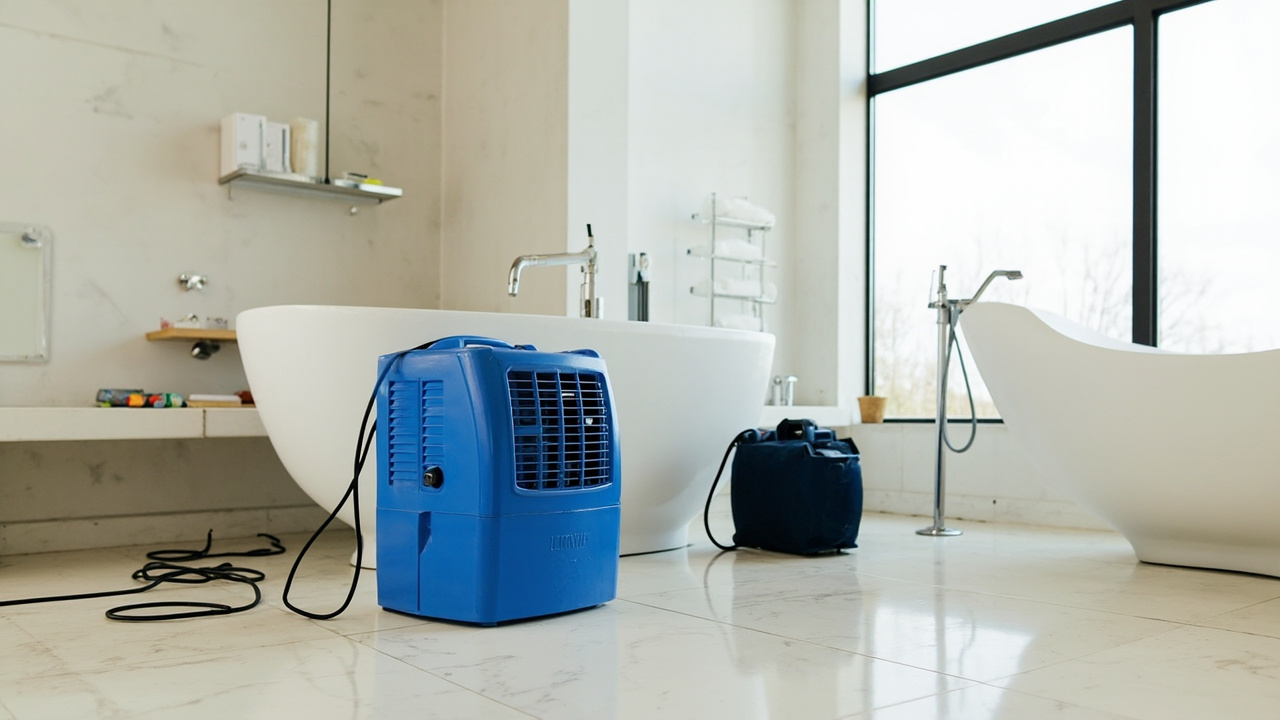
When our team arrives at a College Park rental, the first priority is water extraction. We use truck-mounted vacuum systems that are far more powerful than any shop vacuum. These machines can pull water from deep within the carpet padding and the cracks of hardwood floors. Once the standing water is gone, we begin the drying phase. This involves the placement of high velocity air movers. These are positioned to create a vortex of air that speeds up evaporation. We also monitor the moisture content of the materials daily. We do not stop the process until every material has reached its dry standard.
| Material Type | Drying Time with Professional Gear | Risk of Permanent Damage |
|---|---|---|
| Drywall | 2 to 3 Days | High if not extracted quickly |
| Plywood Subfloor | 3 to 5 Days | Medium to High |
| Hardwood Flooring | 5 to 7 Days | Extreme without specialty mats |
| Concrete Slabs | 7 to 10 Days | Low but holds moisture long term |
We also provide Sandy Springs flood cleanup and professional water extraction services for clients who have properties across the northern part of the city. Regardless of the location, the standard of care remains the same. We adhere to the IICRC S500 Standard for Professional Water Damage Restoration to ensure every project is completed to the highest safety levels.
Structural Integrity and Mold Prevention in 2026
The biggest threat after a toilet flood is not the water itself, but the mold that follows. In the current 2026 environment, we use advanced antimicrobial solutions that are safe for pets and children but lethal to fungal spores. We apply these treatments to the subfloor and the backside of the drywall during the drying process. This provides a barrier of protection while the materials are still damp. If you ignore the drying process, the wood will eventually rot. This compromises the structural integrity of the bathroom floor, making it unsafe for future use.
We also pay close attention to the vanity and the baseboards. These are often made of particle board or medium density fiberboard. These materials act like a sponge. Once they absorb Category 3 water, they cannot be effectively cleaned and dried. They must be removed to prevent odors and bacterial growth. Our team provides clear documentation for insurance companies to show why these materials were removed and replaced.
Insurance Claims for Toilet Overflows in Georgia
Navigating insurance claims in the Atlanta market requires detailed documentation. We provide moisture maps, drying logs, and photos of the damage to assist with the claims process. Most homeowners and renters insurance policies cover sudden and accidental water damage. A toilet that suddenly overflows usually falls under this category. However, if the toilet has been running for months and the damage was gradual, the claim might be denied. This is why immediate professional assessment is vital. We work with all major carriers in the state of Georgia to ensure the restoration process is covered and the property is returned to its pre-loss condition.
A running toilet in your College Park rental is a serious risk that requires a professional response. Do not wait for the bathroom to flood before taking action. If a flood has already occurred, contact us today to begin the extraction and drying process. Our experienced team is ready to protect your property and ensure a safe environment for your tenants.
{
“@context”: “https://schema.org”,
“@type”: “BlogPosting”,
“headline”: “A Running Toilet in Your College Park Rental Property Can Lead to Severe Indoor Flooding”,
“description”: “Learn why a running toilet in College Park is a major flood risk. Expert restoration advice for Atlanta landlords and renters to prevent Category 3 water damage.”,
“wordCount”: 1889,
“datePublished”: “2026-02-16T07:41:00.000Z”,
“dateModified”: “2026-02-16T07:41:00.000Z”,
“inLanguage”: “en-US”,
“mainEntityOfPage”: {
“@type”: “WebPage”,
“@id”: “https://victorywaterdamagerestorationatlanta.com”
},
“publisher”: {
“@type”: “LocalBusiness”,
“name”: “Victory Water Damage Restoration Atlanta”,
“url”: “https://victorywaterdamagerestorationatlanta.com”
},
“author”: {
“@type”: “Organization”,
“name”: “Victory Water Damage Restoration Atlanta”,
“url”: “https://victorywaterdamagerestorationatlanta.com”
},
“image”: {
“@type”: “ImageObject”,
“url”: “https://victorywaterdamagerestorationatlanta.com/wp-content/uploads/2026/03/why-a-running-toilet-in-your-college-park-rental-i-1.jpg”
}
}
{
“@context”: “https://schema.org”,
“@type”: “LocalBusiness”,
“name”: “Victory Water Damage Restoration Atlanta”,
“url”: “https://victorywaterdamagerestorationatlanta.com”,
“address”: {
“@type”: “PostalAddress”,
“addressLocality”: “Atlanta”
},
“areaServed”: {
“@type”: “City”,
“name”: “Atlanta”
}
}
{
“@context”: “https://schema.org”,
“@type”: “BreadcrumbList”,
“itemListElement”: [
{
“@type”: “ListItem”,
“position”: 1,
“name”: “Home”,
“item”: “https://victorywaterdamagerestorationatlanta.com”
},
{
“@type”: “ListItem”,
“position”: 2,
“name”: “Blog”,
“item”: “https://victorywaterdamagerestorationatlanta.com/blog”
},
{
“@type”: “ListItem”,
“position”: 3,
“name”: “A Running Toilet in Your College Park Rental Property Can Lead to Severe Indoor Flooding”
}
]
}
{
“@context”: “https://schema.org”,
“@type”: “Service”,
“serviceType”: “Water Damage Restoration”,
“provider”: {
“@type”: “LocalBusiness”,
“name”: “Victory Water Damage Restoration Atlanta”,
“url”: “https://victorywaterdamagerestorationatlanta.com”
},
“areaServed”: {
“@type”: “City”,
“name”: “Atlanta”
},
“description”: “Learn why a running toilet in College Park is a major flood risk. Expert restoration advice for Atlanta landlords and renters to prevent Category 3 water damage.”
}