
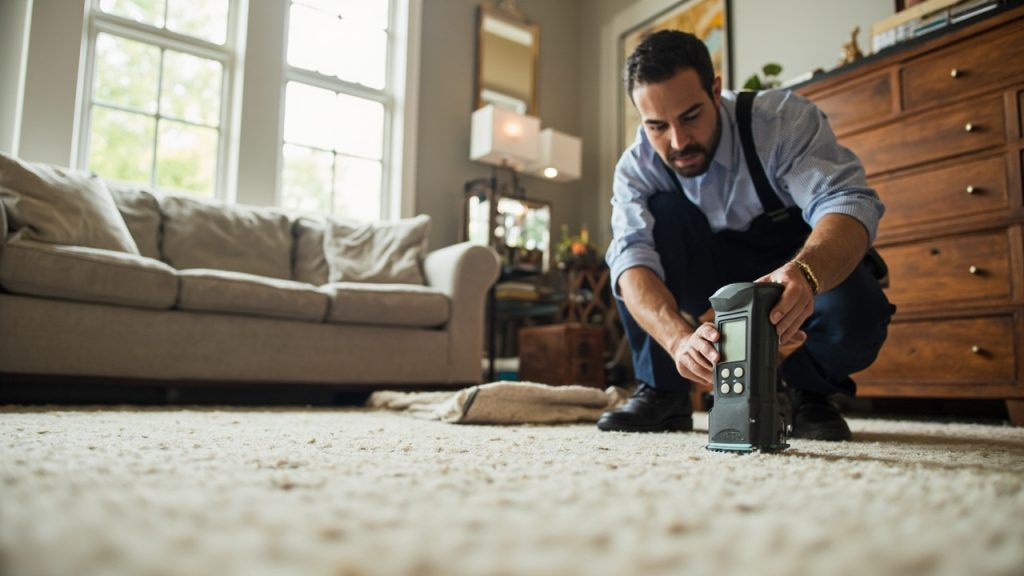
Water damage in an Edgewood home creates an immediate crisis that requires fast decision making. If you walk into your living room and find the carpet soaked, the first question is usually whether the material can be saved or if it needs to be ripped out and replaced. In the Atlanta climate, where humidity remains high through much of 2026, the stakes are elevated because mold growth happens faster than in drier regions. Making the wrong choice can lead to structural damage and health risks for your family.
The decision to clean or replace water damaged carpet depends on several technical factors including the source of the water, the duration of exposure, and the type of carpet fibers involved. Professional restorers in the Atlanta metro area follow the IICRC S500 standard to make these determinations. This set of guidelines ensures that your home remains safe and that any restoration work meets current industry requirements. If you find yourself in a situation where every minute counts, you can find help for fast emergency water damage restoration in Atlanta to begin the assessment immediately.
Understanding Water Categories and Their Impact on Your Carpet
The single most important factor in the clean versus replace debate is the category of the water. Not all water is the same. The IICRC classifies water into three distinct categories based on the level of contamination. Understanding these categories helps homeowners in Edgewood realize why a professional might insist on replacement even if the carpet looks clean to the naked eye.
Category One water comes from a clean source like a broken supply line or a leaking faucet. This water does not pose a substantial risk if handled quickly. If your carpet is soaked by Category One water, it can usually be dried and cleaned in place as long as the drying process begins within twenty-four to forty-eight hours. However, if the water sits longer than that, it can degrade into Category Two due to the high humidity levels we experience in Georgia.
Category Two water is known as gray water. This includes discharge from dishwashers, washing machine overflows, or toilet overflows that do not contain feces. This water contains some level of contamination and can cause illness if consumed. While some Category Two carpets can be salvaged with heavy antimicrobial treatments, the padding underneath almost always requires replacement because it acts like a sponge for contaminants.
Category Three water is black water and is highly unsanitary. This includes sewage, rising floodwaters from nearby streams, or groundwater entering the home. For homes in Edgewood or those needing Sandy Springs flood cleanup, Category Three water mandates the immediate removal and disposal of all porous materials. Carpet and padding that have touched Category Three water cannot be cleaned effectively enough to guarantee safety. The risk of pathogens and bacteria is simply too high.
| Water Category | Source Example | Restoration Action | Safety Risk Level |
|---|---|---|---|
| Category One | Broken supply line | Dry and clean in place | Low |
| Category Two | Washing machine leak | Replace pad, treat carpet | Medium |
| Category Three | Sewage or flash flood | Mandatory replacement | High |
The Role of Carpet Construction and Delamination
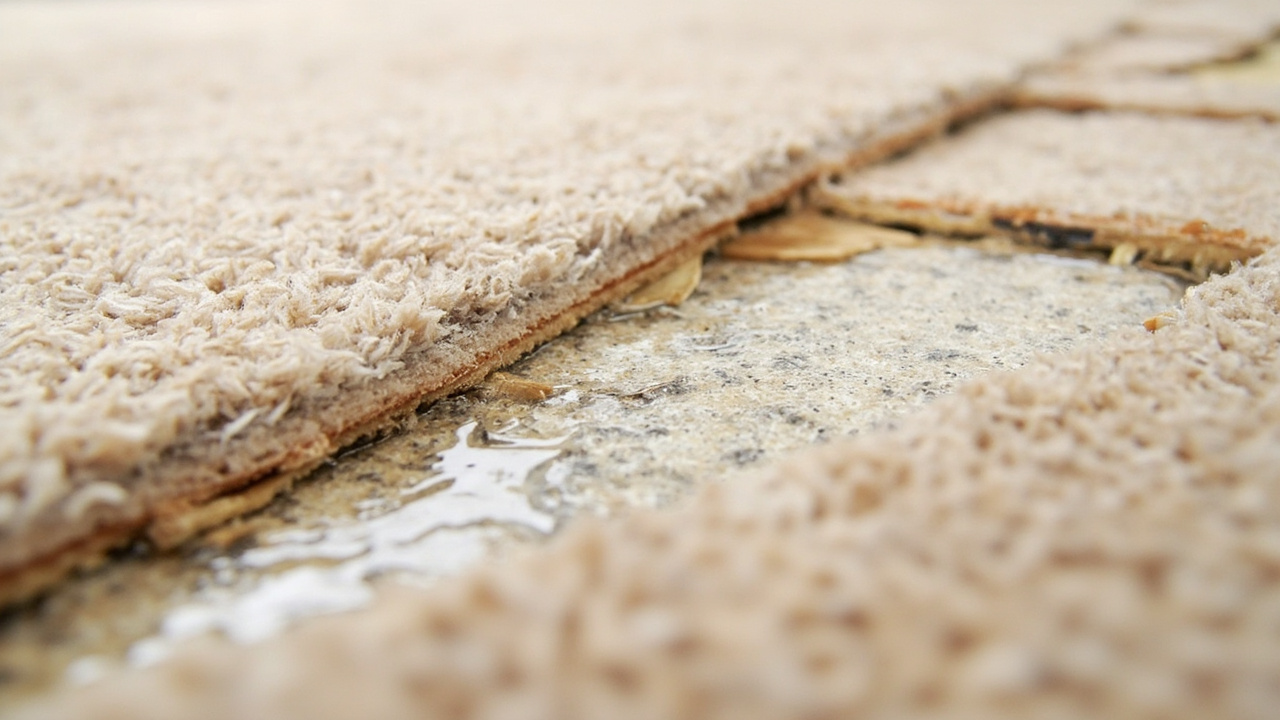
Beyond the water source, the physical integrity of the carpet matters. Most residential carpets in Edgewood are constructed with a primary backing and a secondary backing held together by a latex adhesive. When carpet stays wet for an extended period, this adhesive begins to break down. This process is called delamination. Once the backings separate, the carpet loses its structural strength and will never lay flat again. It will ripple, bunch, and create trip hazards.
If you notice the carpet backing feels soft or if you can peel the layers apart with your fingers, the carpet is ruined. No amount of professional cleaning or stretching will fix delaminated carpet. This is common in cases involving an emergency help for a burst pipe in Atlanta where the volume of water was high and the saturation time exceeded forty-eight hours.
Subfloor material also dictates the replacement schedule. Edgewood has a mix of older bungalows with plywood subfloors and newer townhomes with concrete or OSB (oriented strand board). Plywood and OSB can swell and warp when wet, which might require the carpet to be pulled back even if the carpet itself is salvageable. This allows the restoration team to dry the structure underneath. According to the Environmental Protection Agency guidelines on mold, preventing moisture from lingering in these subfloors is the only way to stop long-term fungal growth.
Why Carpet Padding is Usually Non-Negotiable
While the carpet fibers might be saved in a Category One situation, the padding is a different story. Carpet padding is made of bonded foam or polyurethane which is incredibly porous. When it gets wet, it traps water against the subfloor and prevents airflow. It is almost impossible to dry carpet padding effectively while it is still under the carpet. In the current 2026 market, the cost of the labor required to dry padding often exceeds the cost of just replacing it.
We typically recommend a process called floating the carpet. This involves pulling the carpet back, removing the wet padding, and installing high-velocity air movers to dry the subfloor and the carpet itself. Once everything is dry, we install new padding and re-install the original carpet. This is a common practice for professional water damage restoration for luxury homes in Buckhead where expensive wool or custom rugs are involved.
The Georgia Humidity Factor and Drying Timelines
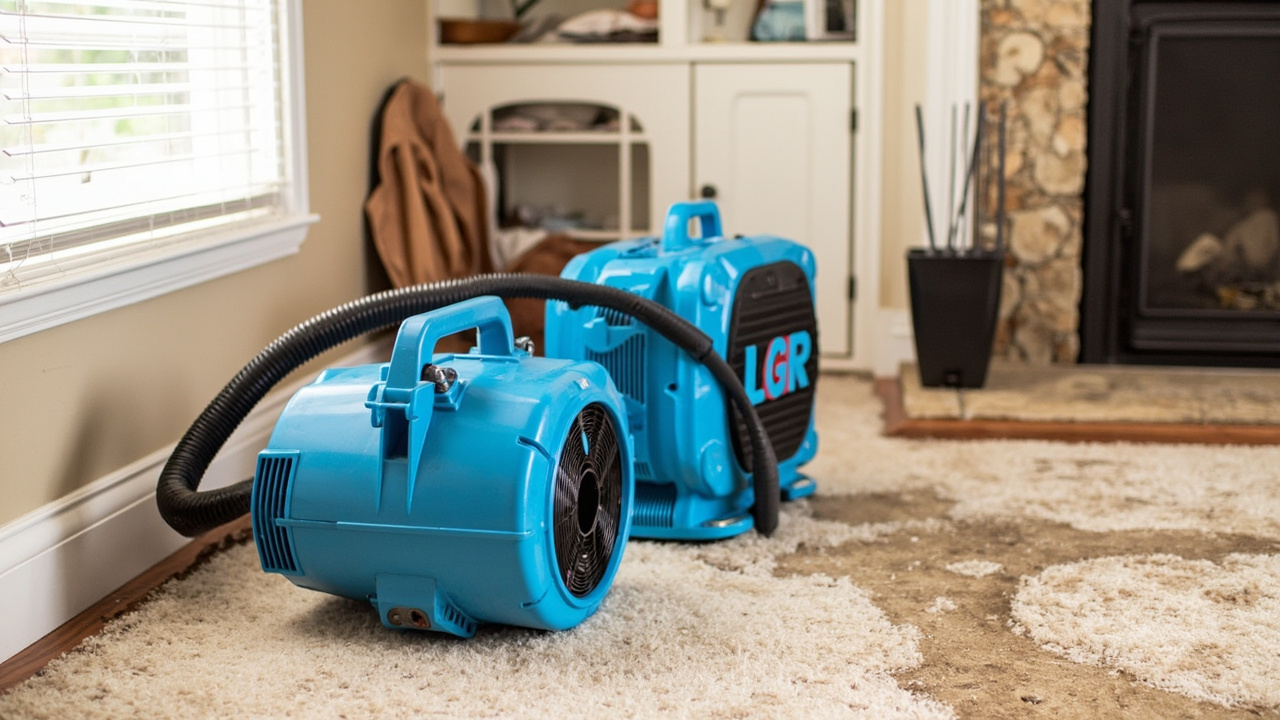
In Edgewood, our outdoor environment plays a massive role in indoor restoration. High humidity prevents evaporation. If the air in your home is already saturated with moisture, the water in your carpet has nowhere to go. This is why professional restorers use LGR (Low Grain Refrigerant) dehumidifiers. These machines are designed to pull moisture out of the air even in the humid conditions common to the Atlanta area. Using standard residential fans or opening windows will not work and often makes the problem worse by introducing more humid air into the structure.
A professional drying plan usually follows a strict timeline to ensure the carpet remains salvageable. If these milestones are not met, the transition from cleaning to replacement becomes necessary.
- Hour 1 to 4: Water extraction using truck-mounted vacuum systems.
- Hour 4 to 24: Deployment of air movers and LGR dehumidifiers to start the evaporation process.
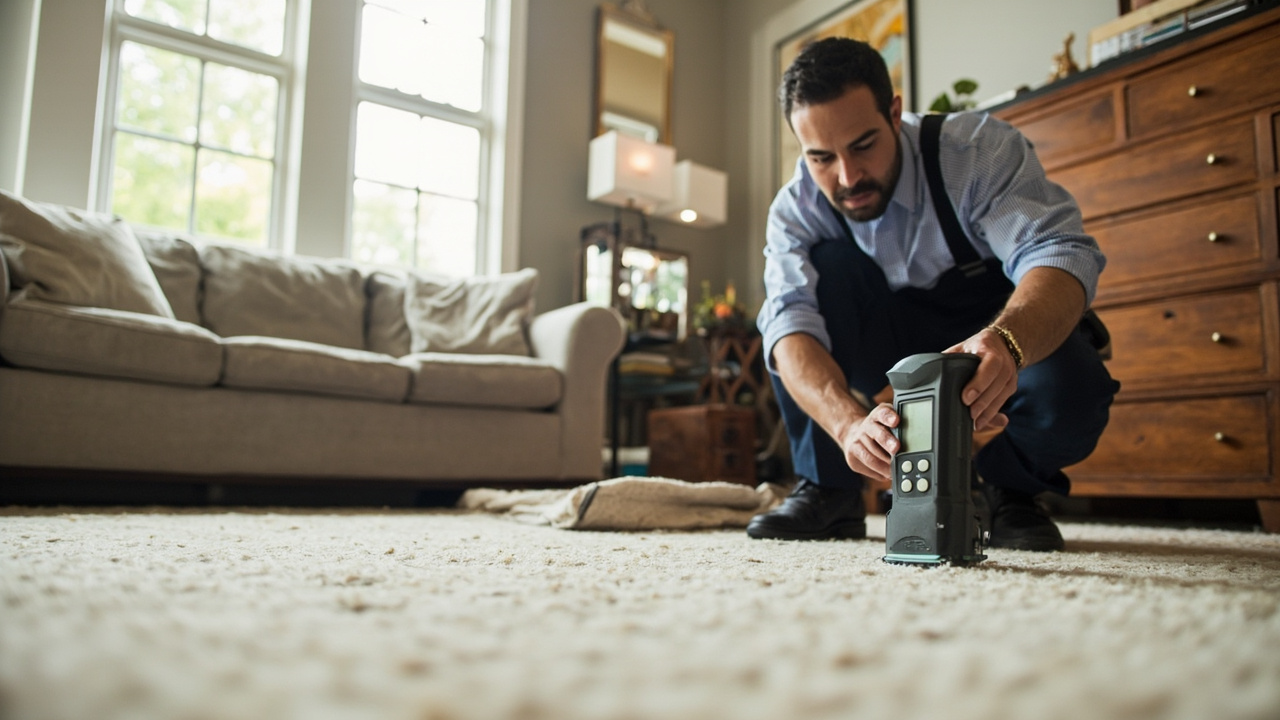
- Hour 24 to 48: Monitoring moisture levels with non-penetrating meters.
- Hour 72: Final verification that dry standards have been met.
| Equipment Type | Purpose in Edgewood Homes | Expected Use Duration |
|---|---|---|
| LGR Dehumidifier | Lowers humidity for faster evaporation | 3 to 5 days |
| Air Movers | Moves air across surfaces to lift moisture | 3 to 5 days |
| HEPA Air Scrubbers | Removes airborne spores and odors | As needed |
| Moisture Probes | Checks for water under the subfloor | Daily during drying |
Navigating Insurance Claims for Carpet Replacement
Many homeowners in Edgewood worry about the cost of replacement. Most standard homeowners insurance policies in Georgia cover carpet replacement if the damage was caused by a sudden and accidental discharge of water. This includes burst pipes, water heater failures, or appliance malfunctions. However, they may not cover damage caused by lack of maintenance or long-term seepage.
It is vital to document the damage before the carpet is removed. We use thermal imaging cameras to show the extent of the water spread, which provides undeniable proof for insurance adjusters. If the restoration professional determines that the carpet is a Category Three loss, insurance companies generally accept the recommendation for full replacement because it limits their future liability for mold claims. For business owners in the area, minimizing business downtime with Atlanta commercial water damage restoration often involves moving straight to replacement to get the doors open faster.
Signs That Your Carpet Cannot Be Saved
Sometimes the choice is taken out of your hands by the condition of the materials. If you see any of the following signs, you should prepare for carpet replacement rather than just a deep cleaning.
First, check for visible mold growth. In the 2026 Atlanta heat, mold can appear on the underside of a carpet in as little as twenty-four hours. If you see black, green, or white fuzzy patches on the backing, the carpet is a total loss. Second, pay attention to odors. A musty smell indicates that microbial volatile organic compounds are being released. This usually means the water has reached the organic matter trapped in the carpet fibers, and cleaning will likely not remove the smell permanently.
Third, consider the age of the carpet. If your carpet was nearing the end of its lifespan before the water event, the stress of saturation and the heat of the drying process will often make it look worn and matted. In these cases, it is often more cost-effective to use the insurance proceeds to upgrade to a new floor rather than spending money trying to save an old, damaged product. The IICRC S500 professional standards provide the framework our team uses to justify these decisions to your insurance company, ensuring you get the full value of your policy.
The transition from a soaked carpet to a dry, healthy home requires technical expertise and the right equipment. Whether we are saving your original flooring or helping you navigate the replacement process, our focus is on ensuring your Edgewood property is restored to a pre-loss condition without the risk of lingering moisture or hidden mold.
If you have water in your home right now, do not wait for the situation to get worse. Contact a professional team that understands the Edgewood neighborhood and the specific challenges of the Atlanta climate. Taking fast action today can be the difference between a simple cleaning and a massive reconstruction project.
{
“@context”: “https://schema.org”,
“@type”: “BlogPosting”,
“headline”: “Deciding to Clean or Replace Water Damaged Carpet in Your Edgewood Home”,
“description”: “Discover whether to clean or replace water damaged carpet in Edgewood. Expert advice on water categories, drying times, and professional restoration in Atlanta.”,
“wordCount”: 1615,
“datePublished”: “2026-04-25T04:06:00.000Z”,
“dateModified”: “2026-04-25T04:06:00.000Z”,
“inLanguage”: “en-US”,
“mainEntityOfPage”: {
“@type”: “WebPage”,
“@id”: “https://victorywaterdamagerestorationatlanta.com”
},
“publisher”: {
“@type”: “LocalBusiness”,
“name”: “Victory Water Damage Restoration Atlanta”,
“url”: “https://victorywaterdamagerestorationatlanta.com”
},
“author”: {
“@type”: “Organization”,
“name”: “Victory Water Damage Restoration Atlanta”,
“url”: “https://victorywaterdamagerestorationatlanta.com”
},
“image”: {
“@type”: “ImageObject”,
“url”: “https://victorywaterdamagerestorationatlanta.com/wp-content/uploads/2026/03/deciding-whether-to-clean-or-replace-water-damaged-1.jpg”
}
}
{
“@context”: “https://schema.org”,
“@type”: “LocalBusiness”,
“name”: “Victory Water Damage Restoration Atlanta”,
“url”: “https://victorywaterdamagerestorationatlanta.com”,
“address”: {
“@type”: “PostalAddress”,
“addressLocality”: “Atlanta”
},
“areaServed”: {
“@type”: “City”,
“name”: “Atlanta”
}
}
{
“@context”: “https://schema.org”,
“@type”: “BreadcrumbList”,
“itemListElement”: [
{
“@type”: “ListItem”,
“position”: 1,
“name”: “Home”,
“item”: “https://victorywaterdamagerestorationatlanta.com”
},
{
“@type”: “ListItem”,
“position”: 2,
“name”: “Blog”,
“item”: “https://victorywaterdamagerestorationatlanta.com/blog”
},
{
“@type”: “ListItem”,
“position”: 3,
“name”: “Deciding to Clean or Replace Water Damaged Carpet in Your Edgewood Home”
}
]
}
{
“@context”: “https://schema.org”,
“@type”: “Service”,
“serviceType”: “Water Damage Restoration”,
“provider”: {
“@type”: “LocalBusiness”,
“name”: “Victory Water Damage Restoration Atlanta”,
“url”: “https://victorywaterdamagerestorationatlanta.com”
},
“areaServed”: {
“@type”: “City”,
“name”: “Atlanta”
},
“description”: “Discover whether to clean or replace water damaged carpet in Edgewood. Expert advice on water categories, drying times, and professional restoration in Atlanta.”
}