
Immediate Response Steps for a Dishwasher Leak
A leaking dishwasher can send gallons of water under your kitchen cabinets in minutes. If you walk into your kitchen and find a puddle or notice the floor feels soft, you must act immediately. Your first priority is safety. Water and electricity are a dangerous combination. Go to your electrical panel and shut off the breaker for the dishwasher and any kitchen outlets near the floor. Once the power is secure, turn off the water supply valve. This valve is usually located under the kitchen sink. If the valve is stuck or leaking, you might need to shut off the main water line for the entire house.
After securing the utilities, start removing any items from the cabinets. This includes pots, pans, cleaning supplies, and food. Wet cardboard boxes can fall apart and create a mess, and standing water inside cabinets will quickly soak into the wood. Use towels to soak up as much surface water as possible. Do not wait for the water to evaporate on its own. In the humid Atlanta climate, stagnant water leads to rapid microbial growth. If the leak is significant, you may need fast emergency water damage restoration in Atlanta to prevent structural failure of your cabinetry.
Identifying Different Types of Cabinet Water Damage
Not all cabinets react to water the same way. Most modern kitchens in the Atlanta metro area use one of three materials. Solid wood, plywood, or Medium Density Fiberboard (MDF). MDF is the most vulnerable to water. It is made of compressed wood fibers and resin. When MDF gets wet, it acts like a sponge. It swells and loses its structural integrity. Once MDF has significantly expanded, it cannot be shrunk back to its original size. Plywood is more resilient but can still suffer from delamination. This is where the layers of wood begin to peel apart because the glue has failed. Solid wood cabinets are the most durable but can warp or cup if they stay wet for too long.
Dishwasher leaks are particularly problematic because they often involve gray water. This is water that contains soap, food particles, and bacteria. Unlike a clean water leak from a supply line, gray water can cause odors and health concerns if not cleaned properly. If the leak came from a burst pipe connected to the dishwasher, the volume of water can overwhelm your subfloor and spread into adjacent rooms like the dining area or living room.
The Science of Drying Kitchen Cabinets
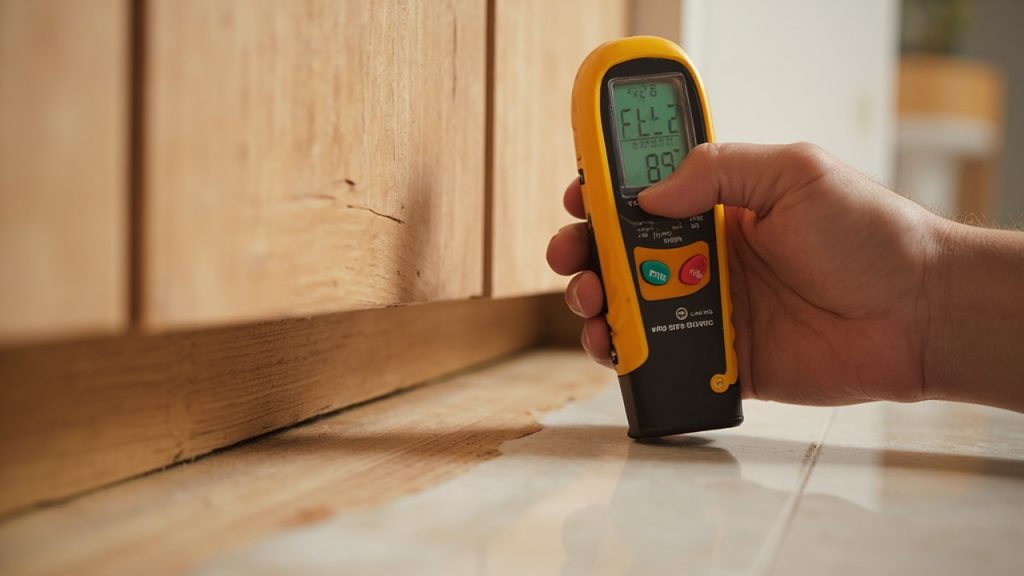
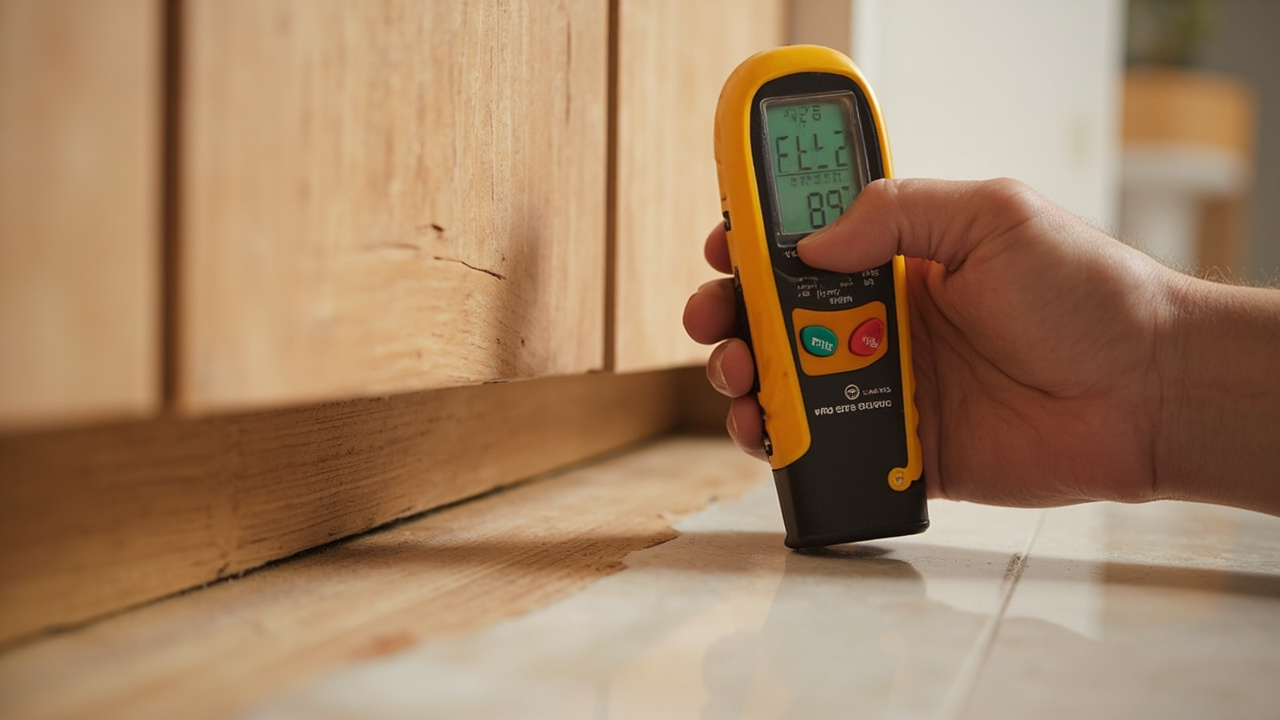
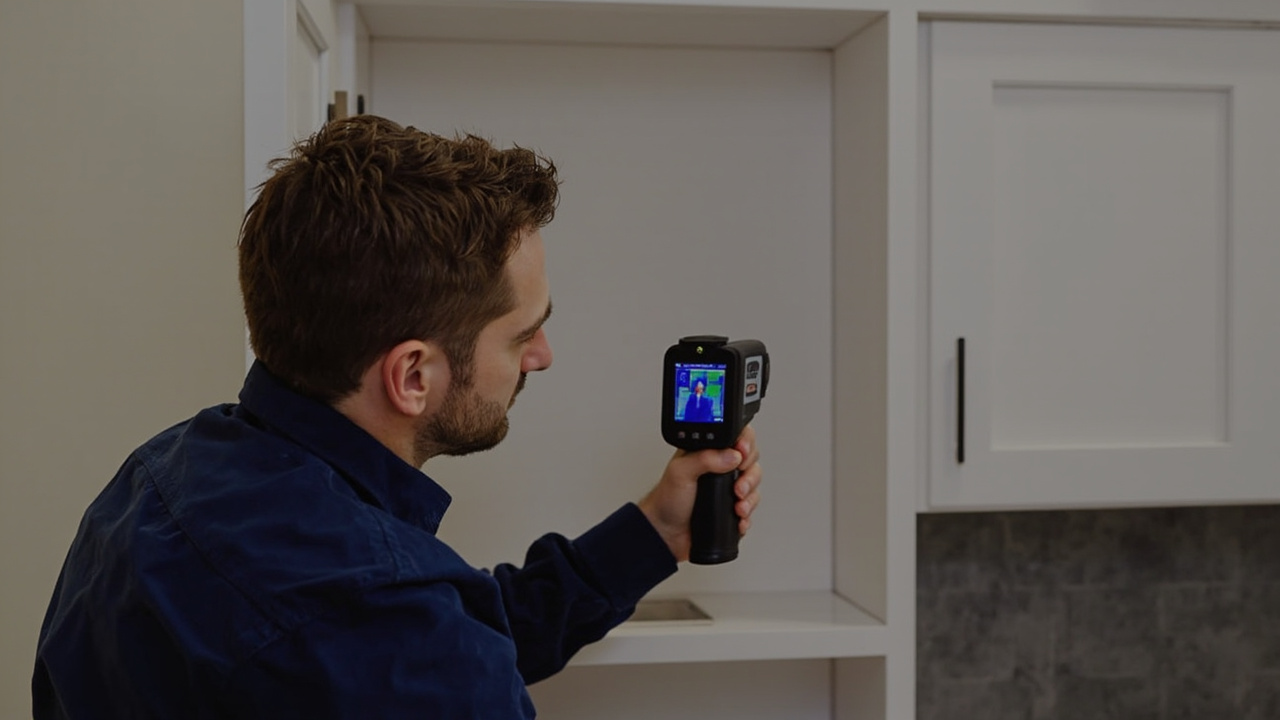
Drying cabinets requires more than just a household fan. Water often gets trapped behind the cabinet base and under the toe kick. The toe kick is the recessed area at the bottom of the cabinet. Because this area is enclosed, it creates a dark and damp environment perfect for mold. Professional restorers use moisture meters to find hidden pockets of water. These tools can see through flooring and cabinet backs to tell us exactly where the moisture is hiding. We also use thermal imaging cameras. These cameras show temperature differences, and since wet materials are usually cooler than dry ones, we can map out the entire affected area without tearing things apart.
In high end homes, especially luxury homes in Buckhead, cabinets are often custom made and very expensive. In these cases, we use specialized drying equipment like Injectidry systems. These systems use small hoses to push warm, dry air into the wall cavities and under the cabinet bases. This allows us to dry the materials from the inside out, often saving the cabinets from replacement. This process is much more effective than simple evaporation, especially during a typical Georgia summer when the outdoor humidity is extremely high.
Comparing Cabinet Materials and Water Sensitivity
| Material Type | Water Absorption Rate | Risk of Permanent Swelling | Typical Repair Strategy |
|---|---|---|---|
| MDF (Fiberboard) | Very High | Critical | Replacement usually required |
| Plywood | Moderate | Medium | Drying and sanding if caught early |
| Solid Wood | Low to Moderate | Low if dried quickly | Refinishing or structural drying |
| Laminate over Particle Board | High | High | Replacement of affected panels |
Addressing the Subfloor and Flooring Issues
When a dishwasher leaks, the water does not just stay on the surface. It follows the path of least resistance. This often means it runs under your hardwood floors or tile. If you have hardwood floors in your kitchen, you might notice cupping. This is when the edges of the floorboards rise higher than the center. This happens because the bottom of the wood is wetter than the top. To save these floors, we must use floor drying mats that create a vacuum seal to pull moisture through the wood. If you live in an area prone to drainage issues, like parts of Midtown or lower elevations in Sandy Springs, you might also need professional water extraction services to remove standing water from a crawlspace or basement below the kitchen.
The subfloor is usually made of plywood or oriented strand board (OSB). If the subfloor stays wet, it can rot or lose its ability to hold the weight of heavy appliances and stone countertops. If you have granite or quartz counters, the weight is immense. A compromised subfloor can lead to cracked stone or a complete collapse. This is why we focus on drying the entire structural assembly, not just the visible parts of the cabinets. For businesses, this is even more critical. Minimizing business downtime for a restaurant or catering kitchen in Atlanta depends on getting these surfaces dry and sanitized quickly so health inspectors can clear the space for operation.
Restoration Timelines and What to Expect
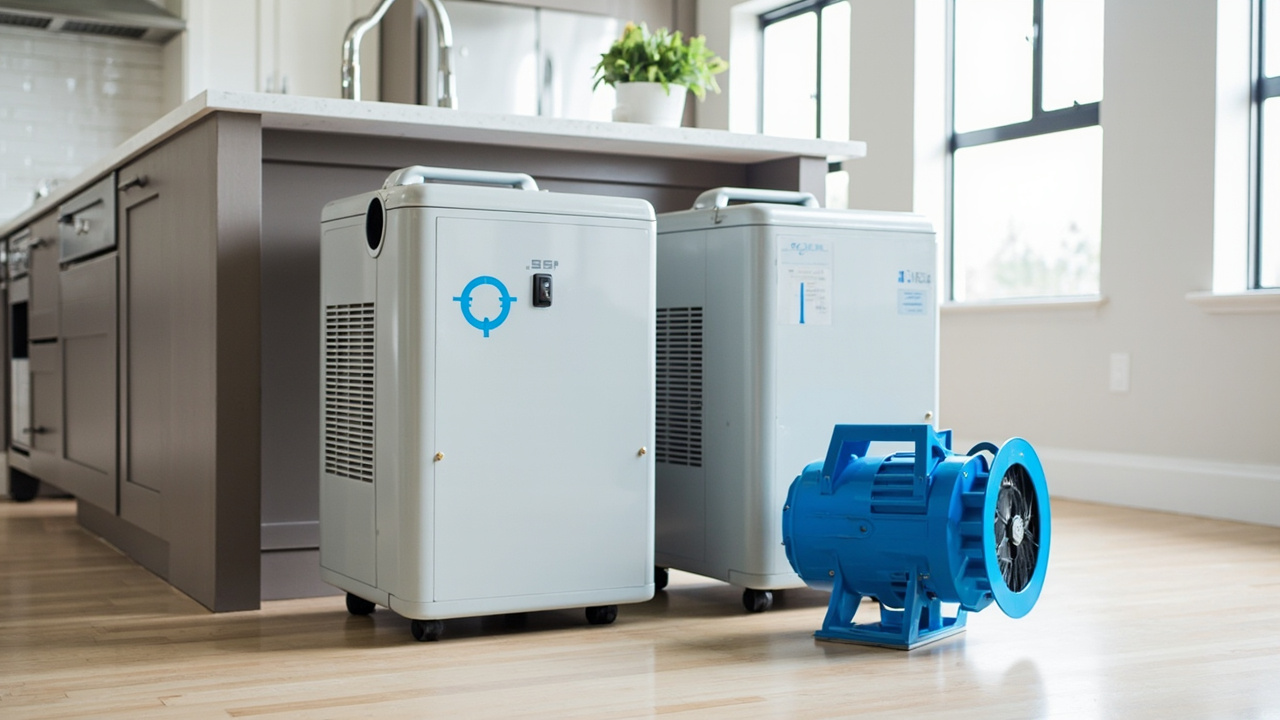
The drying process usually takes between three and five days. This timeframe can vary based on the extent of the leak and the materials involved. During the first 24 hours, the focus is on stabilization. This means extracting standing water and setting up industrial LGR (Low Grain Refrigerant) dehumidifiers. These machines are much more powerful than a standard basement dehumidifier. They can pull moisture out of the air even in very cool or very damp conditions. We also use high velocity air movers to create a vortex of air that speeds up the evaporation process.
According to the IICRC, which sets the standards for the restoration industry, moisture levels must be monitored daily. We take readings of the air temperature, relative humidity, and the moisture content of the wood. Once these readings reach the dry standard for your specific home environment, we can remove the equipment. If the cabinets are dried properly, they can often be salvaged. However, if mold has already started to grow, the process changes. Mold can begin to colonize within 24 to 48 hours of a water event. If we find mold, we must follow strict remediation protocols established by the EPA to ensure your family is safe.
Estimated Restoration Timelines for Kitchen Leaks
| Phase of Restoration | Duration | Key Activities |
|---|---|---|
| Emergency Extraction | 1 to 4 Hours | Water removal, power safety check, content moving |
| Structural Drying | 3 to 5 Days | Dehumidification, air moving, moisture monitoring |
| Mold Assessment | Ongoing | Visual inspection, moisture mapping, air testing |
| Repairs and Refinishing | 1 to 2 Weeks | Sanding, painting, or replacing individual doors |
Navigating Insurance Claims for Kitchen Water Damage
Most homeowners insurance policies cover sudden and accidental water damage. This includes a dishwasher that suddenly fails and floods the kitchen. However, policies often do not cover long term, slow leaks that have been ignored for months. To help your claim, take photos and videos of the damage as soon as you find it. Keep the failed part of the dishwasher if possible, as the insurance adjuster may want to see it. Our team works directly with local adjusters in the Atlanta area to provide the technical documentation they need. This includes moisture maps, drying logs, and photos of the hidden damage we find under the cabinets.
When filing a claim, be sure to mention any damage to the subfloor or the back of the cabinets. These are areas that adjusters sometimes miss during a quick walk through. If the damage is extensive enough that you cannot use your kitchen, your policy might cover loss of use. This helps pay for meals or temporary housing while your kitchen is being restored. Dealing with insurance can be stressful, but having a professional restoration company on your side makes the process much smoother.
Preventing Future Dishwasher Leaks
Once your kitchen is dry and restored, you want to make sure this never happens again. Many leaks in Atlanta homes happen because of improper installation or aging parts. Most dishwasher hoses are made of rubber, which can crack over time. We recommend replacing these with braided stainless steel hoses, which are much less likely to burst. You should also check the door seal for any signs of wear. If the seal is hard or brittle, it needs to be replaced.
- Install a leak detection sensor under the dishwasher that alerts your phone if it gets wet.
- Ensure the dishwasher is level to prevent water from pooling near the door seal.
- Check the drain line for clogs that could cause water to back up and overflow.
- Inspect the water supply connection under the sink every six months for dampness.
- Use a plastic drip tray under the dishwasher to catch small leaks before they reach the wood.
If you find yourself facing a soaked kitchen in the middle of the night, do not panic. Atlanta has professional resources ready to help you save your cabinetry and your home. By taking quick action and using the right technology, you can often avoid a total kitchen remodel and get your life back to normal quickly. Whether you are in a high rise in Midtown or a family home in Alpharetta, the principles of professional water restoration remain the same. Priority one is always getting the water out and getting the structure dry.
Final Thoughts on Cabinet Restoration
Water damage is a major disruption, but it does not have to be a permanent disaster. The key is understanding that what you see on the surface is only part of the story. The real danger is the water you cannot see. By focusing on the hidden areas and using professional grade drying equipment, you can protect the investment you have made in your kitchen. If you need help assessing the damage or starting the drying process, reaching out to a local expert is the best way to ensure your home stays safe and mold free for years to come.
{
“@context”: “https://schema.org”,
“@type”: “BlogPosting”,
“headline”: “Fixing Water Damage When Your Kitchen Cabinets Get Soaked from a Dishwasher Leak”,
“description”: “Stop dishwasher leaks from ruining your Atlanta kitchen cabinets. Professional restoration tips for homeowners in Buckhead, Sandy Springs, and Midtown.”,
“wordCount”: 1746,
“datePublished”: “2026-04-20T09:08:00.000Z”,
“dateModified”: “2026-04-20T09:08:00.000Z”,
“inLanguage”: “en-US”,
“mainEntityOfPage”: {
“@type”: “WebPage”,
“@id”: “https://victorywaterdamagerestorationatlanta.com”
},
“publisher”: {
“@type”: “LocalBusiness”,
“name”: “Victory Water Damage Restoration Atlanta”,
“url”: “https://victorywaterdamagerestorationatlanta.com”
},
“author”: {
“@type”: “Organization”,
“name”: “Victory Water Damage Restoration Atlanta”,
“url”: “https://victorywaterdamagerestorationatlanta.com”
},
“image”: {
“@type”: “ImageObject”,
“url”: “https://victorywaterdamagerestorationatlanta.com/wp-content/uploads/2026/03/what-to-do-when-your-kitchen-cabinets-get-soaked-f-1.jpg”
}
}
{
“@context”: “https://schema.org”,
“@type”: “LocalBusiness”,
“name”: “Victory Water Damage Restoration Atlanta”,
“url”: “https://victorywaterdamagerestorationatlanta.com”,
“address”: {
“@type”: “PostalAddress”,
“addressLocality”: “Atlanta”
},
“areaServed”: {
“@type”: “City”,
“name”: “Atlanta”
}
}
{
“@context”: “https://schema.org”,
“@type”: “BreadcrumbList”,
“itemListElement”: [
{
“@type”: “ListItem”,
“position”: 1,
“name”: “Home”,
“item”: “https://victorywaterdamagerestorationatlanta.com”
},
{
“@type”: “ListItem”,
“position”: 2,
“name”: “Blog”,
“item”: “https://victorywaterdamagerestorationatlanta.com/blog”
},
{
“@type”: “ListItem”,
“position”: 3,
“name”: “Fixing Water Damage When Your Kitchen Cabinets Get Soaked from a Dishwasher Leak”
}
]
}
{
“@context”: “https://schema.org”,
“@type”: “Service”,
“serviceType”: “Water Damage Restoration”,
“provider”: {
“@type”: “LocalBusiness”,
“name”: “Victory Water Damage Restoration Atlanta”,
“url”: “https://victorywaterdamagerestorationatlanta.com”
},
“areaServed”: {
“@type”: “City”,
“name”: “Atlanta”
},
“description”: “Stop dishwasher leaks from ruining your Atlanta kitchen cabinets. Professional restoration tips for homeowners in Buckhead, Sandy Springs, and Midtown.”
}