
Homeowners in the Metro Atlanta area face specific challenges when water intrudes into their living space. Whether a heavy storm floods a basement in Decatur or a high rise condo in Midtown suffers a pipe burst, the financial impact fluctuates based on specific technical variables. Understanding these variables helps you prepare for the restoration process and manage expectations with your insurance provider. Professional restoration costs reflect the specialized labor, industrial grade equipment, and high level of expertise required to return a property to its pre loss condition.
The immediate priority involves stopping the source of the water and beginning extraction. In 2026, emergency service call out fees in Fulton County and DeKalb County reflect the demand for 24/7 availability. Rapid response is necessary because stagnant water begins to degrade building materials within minutes. If you are dealing with a sudden plumbing failure, you can find help for an emergency help for a burst pipe in Atlanta and how to find fast cleanup to prevent these costs from escalating due to secondary damage.
Average Pricing for Emergency Water Services in 2026
The total bill for your restoration project depends on the volume of water and the duration of the drying cycle. The following table provides a breakdown of typical costs for initial mitigation services in the current Atlanta market.
| Service Type | Current Price Factor | Average Duration |
|---|---|---|
| Water Extraction (Standing Water) | Volume Based Rates | 2 to 5 Hours |
| Structural Drying (Standard Room) | Per Day Equipment Units | 3 to 5 Days |
| Antimicrobial Treatment | Square Footage Rate | 1 Application |
| Dehumidification Services | Daily Machine Rate | 3 to 7 Days |
How Water Categories Change Your Total Bill
Restoration professionals follow the IICRC S500 standards to classify the sanitary condition of the water. The cleaner the water, the lower the cost. Category 1 water comes from a clean source like a broken supply line. Category 2 water contains significant contamination, such as overflow from a washing machine or dishwasher. Category 3 water, often called black water, is grossly contaminated and poses serious health risks. This includes sewage backups or rising floodwaters from the Chattahoochee River.
As the category level increases, the labor and disposal costs rise. Category 3 situations require the removal of porous materials like carpet, padding, and even drywall because they cannot be safely sanitized. Dealing with sewage requires specialized personal protective equipment and strict disposal protocols mandated by current environmental guidelines. Higher contamination levels mean more hours of technician labor and more intensive cleaning agents. In neighborhoods like Inman Park, where older sewer lines are common, Category 3 events often result from root intrusion into clay pipes, necessitating immediate and costly decontamination.
Historical Home Considerations in Grant Park and Inman Park
Owners of historic properties in Grant Park or Inman Park face unique restoration costs that are not found in modern suburban builds. These neighborhoods feature Victorian, Queen Anne, and Craftsman styles that use historic building materials. If your home has original heart pine flooring, restoration requires a slow and controlled drying process. Standard aggressive drying can cause these rare planks to cup or crack, leading to a permanent loss of property value.
Plaster and lath walls are another factor. Unlike modern drywall, plaster is very dense and retains moisture for long periods. It often requires the use of specialized moisture probes and wall cavity drying systems that pump warm, dry air behind the plaster layers. The horsehair binder used in historic plaster can also become a breeding ground for mold if it stays damp for more than forty eight hours. When water damage hits a historic district, you are also dealing with local preservation codes. Any structural repairs may need to match original materials, which increases the reconstruction phase of the project after the initial drying is complete.
Crawlspaces in these older homes are often narrow and poorly ventilated. When water collects under a historic bungalow, it can lead to wood rot in the original floor joists. Because these spaces are tight, technicians must use low profile equipment and specialized containment to prevent dust and mold spores from entering the living areas above. These logistical challenges add to the labor hours on your final invoice.
Classes of Water Damage and Equipment Needs
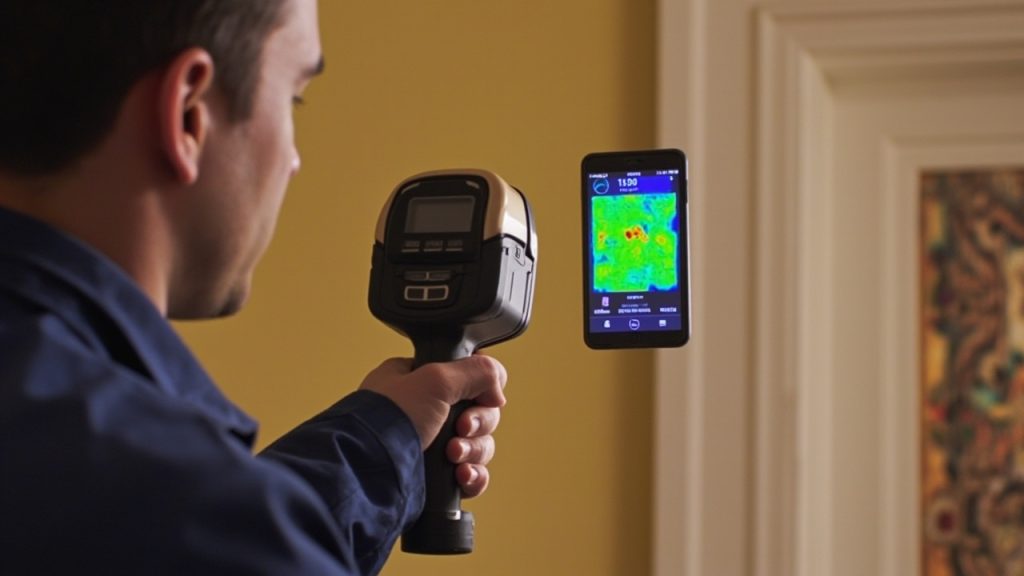
The class of water damage refers to the evaporation rate needed for the specific materials involved. This is a technical calculation based on the surface area of the wet materials and how much moisture they have absorbed. Professional technicians use moisture meters and thermal imaging cameras to map the migration of water through your walls and floors. For residents in high end areas, professional water damage restoration for luxury homes in Buckhead often involves Class 4 damage, which requires specialized drying for non porous materials like hardwood or stone.
Case Study One Class 1 Damage in a Decatur Ranch
A homeowner in Decatur discovered a slow drip from the refrigerator supply line. The water affected only a fifty square foot area of the kitchen linoleum. Because the material was non porous and the water volume was low, this was a Class 1 situation. We used two air movers and a small dehumidifier for forty eight hours. The total cost remained low because no demolition was required and the drying time was minimal. This demonstrates how early detection saves money.
Case Study Two Class 2 Damage in a Marietta Suburban Home
In a Marietta neighborhood, a washing machine hose ruptured while the family was at work. Water covered the entire laundry room and flowed into the carpeted hallway. This was Class 2 damage because the water saturated carpets and wicked up the drywall by twelve inches. We had to remove the carpet padding, which acts like a sponge, but we were able to save the carpet itself through professional extraction. We used industrial dehumidifiers to pull moisture from the air and twelve air movers to create high velocity airflow across the wet surfaces. The cost was higher due to the increased equipment count and the need for pad replacement.
Case Study Three Class 3 Damage in a Midtown Condo
A pipe burst in the ceiling of a twentieth floor condo in Midtown. Water saturated the ceiling, the insulation, and the walls of three rooms below. This was Class 3 damage because the water came from overhead and affected the entire volume of the space. We had to remove all the wet ceiling drywall and insulation to prevent a collapse. We used HEPA air scrubbers to manage the dust and potential mold spores during the demolition. This project required a large crew and a week of drying time, resulting in a significant bill that was fortunately covered by the condo association insurance.
Case Study Four Class 4 Damage in a Buckhead Estate
A luxury home in Buckhead experienced ground water seepage that saturated the custom walnut floors in the library. Because the wood is dense and the moisture was trapped between the wood and the subfloor, this was Class 4 damage. We used a specialized floor mat drying system that uses suction to pull moisture through the wood grain. This process is slow but prevents the need to tear out and replace hundreds of square feet of expensive hardwood. The cost reflects the use of specialty equipment and the expertise needed to monitor the wood moisture content daily.
Common Equipment Rates for 2026
To dry a structure properly, we must control the humidity and airflow. We use industrial air movers and Low Grain Refrigerant dehumidifiers. The following table outlines current daily rates for essential restoration equipment used in Atlanta homes.
| Equipment Item | Usage Detail | Function |
|---|---|---|
| LGR Dehumidifier (Large) | Daily Rental Rate | Removes moisture from air |
| Axial Air Mover | Daily Rental Rate | Increases evaporation speed |
| HEPA Air Scrubber | Daily Rental Rate | Filters airborne particulates |
| Injectidry System | Daily Rental Rate | Dries inside wall cavities |
The Impact of Atlanta Humidity on Restoration Time
The climate in Georgia significantly influences how long it takes to dry a home. High humidity levels in the summer months can slow down the evaporation process. If the outdoor air is saturated, we cannot use it to help vent the house. Instead, we must rely entirely on closed loop drying systems. This means more dehumidifiers are required to maintain the proper Grains Per Pound in the air to ensure the structure dries before mold can form.
In areas like Sandy Springs flood cleanup and professional water extraction services are often needed after intense thunderstorms that dump inches of rain in an hour. These events raise local humidity and can lead to flash flooding. When drying takes longer due to environmental conditions, the daily equipment fees will increase the final invoice. A veteran restorer knows how to adjust the drying plan based on these psychrometric readings to keep the project moving efficiently.
Atlanta also deals with red clay sediment. When flood water from the outside enters your home, it carries fine clay particles that stain carpets and grout. This sediment is difficult to remove and often makes cleaning more expensive than if the water were clear. If the red clay gets into your HVAC system, you will also need to pay for professional duct cleaning to ensure your indoor air quality is restored.
Insurance Coverage and Out of Pocket Expenses
Most homeowners insurance policies in Georgia cover sudden and accidental water discharge. However, many policies have specific limits for mold or sewage. You are responsible for your deductible, which can range from five hundred to several thousand dollars depending on your policy. We use Xactimate software, which is the industry standard for insurance billing. This ensures our pricing remains consistent with local market rates and helps streamline the claims process.
Documentation is the most important part of getting your claim paid. We provide detailed moisture maps, photos, and daily drying logs to your adjuster. For business owners, minimizing downtime is just as important as the repair cost itself. You can learn more about minimizing business downtime with Atlanta commercial water damage restoration to see how we handle large scale losses. Our team works directly with the insurance company to handle the technical details while you focus on getting your life back to normal.
The Long Term Financial Risk of DIY Restoration
Many homeowners try to save money by using shop vacuums and household fans. This often results in much higher costs later. Surface dry does not mean structurally dry. Moisture trapped behind baseboards or under flooring leads to rot and mold growth within 48 to 72 hours. Mold remediation is significantly more expensive than standard water drying because it requires containment chambers and negative air pressure systems.
By hiring a certified professional early, you ensure that the structural components of your home stay intact. This protects your property value and prevents the health risks associated with indoor air quality issues. In the current 2026 real estate market, a history of professional restoration with documented clearance is a major asset during a home inspection. Waiting even one day can increase the final cost by thousands of dollars as materials swell and warp beyond repair. If you need immediate assistance, knowing how to get fast emergency water damage restoration in Atlanta when every minute counts is the best way to keep your total expenses manageable.
Frequently Asked Questions About Atlanta Water Damage
Why is mold a bigger risk in Atlanta than in other cities?
The high ambient humidity in Georgia provides the perfect environment for mold. In dryer climates, you might have more time before spores begin to colonize. In Atlanta, the moisture in the air combined with the moisture in your walls creates a greenhouse effect. This is why we prioritize fast dehumidification over simple air movement.
Will my standard insurance cover flooding from the Chattahoochee River?
Most standard homeowners policies do not cover rising ground water or river flooding. This usually requires a separate flood insurance policy through the National Flood Insurance Program. However, if the water in your home came from a pipe burst during a storm, that is usually covered. You should check your specific policy for a sewage backup rider as well.
How long does the average restoration take in a Grant Park bungalow?
Because of the plaster walls and old growth wood common in Grant Park, you should expect a drying time of five to seven days. This is longer than the three to five days seen in modern homes with drywall. We use more specialized equipment to protect the historic integrity of the building while ensuring every pocket of moisture is gone.
Should I stay in my home during the drying process?
This depends on the scale of the damage and the category of water. If you have Category 3 sewage damage, you should evacuate for health reasons. If we are drying a single room with Category 1 water, you can usually stay. However, the industrial dehumidifiers and air movers are loud and generate significant heat. Most Atlanta homeowners prefer to stay with family or in a hotel for the first few days of intensive drying.
Understanding the Role of the IICRC in Pricing
The Institute of Inspection Cleaning and Restoration Certification sets the protocols that define how we work. Following the IICRC S500 Standards ensures that your home is dried according to scientific principles rather than guesswork. These standards protect you from both under drying and over charging. When a company follows these rules, they provide a scope of work that is defensible to an insurance adjuster and effective for the homeowner. Certified technicians have the training to identify hidden moisture pockets that others might miss, which prevents the need for costly secondary repairs in the future.
Investing in professional restoration is an investment in the longevity of your home. While the initial bill might seem high, it covers the use of thousands of dollars worth of equipment and the labor of skilled technicians who understand the science of drying. In a city as large and humid as Atlanta, cutting corners on water damage is a risk that rarely pays off. Whether you are in a historic bungalow in Grant Park or a modern estate in Sandy Springs, the goal remains the same. We want to dry your home as fast as possible for a fair price while ensuring your family is safe from the long term effects of water intrusion. Reach out to a local professional today to get an accurate assessment of your property and begin the path to recovery.
{
“@context”: “https://schema.org”,
“@type”: “BlogPosting”,
“headline”: “Understanding the Real Cost of Water Damage Restoration for Atlanta Homeowners”,
“description”: “Learn about the real cost of water damage restoration for Atlanta homeowners in 2026. Explore pricing factors, local neighborhood issues, and expert case studies.”,
“wordCount”: 2405,
“datePublished”: “2026-03-27T12:32:00.000Z”,
“dateModified”: “2026-03-27T12:32:00.000Z”,
“inLanguage”: “en-US”,
“mainEntityOfPage”: {
“@type”: “WebPage”,
“@id”: “https://victorywaterdamagerestorationatlanta.com”
},
“publisher”: {
“@type”: “LocalBusiness”,
“name”: “Victory Water Damage Restoration Atlanta”,
“url”: “https://victorywaterdamagerestorationatlanta.com”
},
“author”: {
“@type”: “Organization”,
“name”: “Victory Water Damage Restoration Atlanta”,
“url”: “https://victorywaterdamagerestorationatlanta.com”
},
“image”: {
“@type”: “ImageObject”,
“url”: “https://victorywaterdamagerestorationatlanta.com/wp-content/uploads/2026/03/the-real-cost-of-water-damage-restoration-for-atla-1.jpg”
}
}
{
“@context”: “https://schema.org”,
“@type”: “LocalBusiness”,
“name”: “Victory Water Damage Restoration Atlanta”,
“url”: “https://victorywaterdamagerestorationatlanta.com”,
“address”: {
“@type”: “PostalAddress”,
“addressLocality”: “Atlanta”
},
“areaServed”: {
“@type”: “City”,
“name”: “Atlanta”
}
}
{
“@context”: “https://schema.org”,
“@type”: “FAQPage”,
“mainEntity”: [
{
“@type”: “Question”,
“name”: “Why is mold a bigger risk in Atlanta than in other cities?”,
“acceptedAnswer”: {
“@type”: “Answer”,
“text”: “The high ambient humidity in Georgia provides the perfect environment for mold. In dryer climates, you might have more time before spores begin to colonize. In Atlanta, the moisture in the air combined with the moisture in your walls creates a greenhouse effect. This is why we prioritize fast dehumidification over simple air movement.”
}
},
{
“@type”: “Question”,
“name”: “Will my standard insurance cover flooding from the Chattahoochee River?”,
“acceptedAnswer”: {
“@type”: “Answer”,
“text”: “Most standard homeowners policies do not cover rising ground water or river flooding. This usually requires a separate flood insurance policy through the National Flood Insurance Program. However, if the water in your home came from a pipe burst during a storm, that is usually covered. You should check your specific policy for a sewage backup rider as well.”
}
},
{
“@type”: “Question”,
“name”: “How long does the average restoration take in a Grant Park bungalow?”,
“acceptedAnswer”: {
“@type”: “Answer”,
“text”: “Because of the plaster walls and old growth wood common in Grant Park, you should expect a drying time of five to seven days. This is longer than the three to five days seen in modern homes with drywall. We use more specialized equipment to protect the historic integrity of the building while ensuring every pocket of moisture is gone.”
}
},
{
“@type”: “Question”,
“name”: “Should I stay in my home during the drying process?”,
“acceptedAnswer”: {
“@type”: “Answer”,
“text”: “This depends on the scale of the damage and the category of water. If you have Category 3 sewage damage, you should evacuate for health reasons. If we are drying a single room with Category 1 water, you can usually stay. However, the industrial dehumidifiers and air movers are loud and generate significant heat. Most Atlanta homeowners prefer to stay with family or in a hotel for the first few days of intensive drying.”
}
}
]
}
{
“@context”: “https://schema.org”,
“@type”: “BreadcrumbList”,
“itemListElement”: [
{
“@type”: “ListItem”,
“position”: 1,
“name”: “Home”,
“item”: “https://victorywaterdamagerestorationatlanta.com”
},
{
“@type”: “ListItem”,
“position”: 2,
“name”: “Blog”,
“item”: “https://victorywaterdamagerestorationatlanta.com/blog”
},
{
“@type”: “ListItem”,
“position”: 3,
“name”: “Understanding the Real Cost of Water Damage Restoration for Atlanta Homeowners”
}
]
}
{
“@context”: “https://schema.org”,
“@type”: “Service”,
“serviceType”: “Water Damage Restoration”,
“provider”: {
“@type”: “LocalBusiness”,
“name”: “Victory Water Damage Restoration Atlanta”,
“url”: “https://victorywaterdamagerestorationatlanta.com”
},
“areaServed”: {
“@type”: “City”,
“name”: “Atlanta”
},
“description”: “Learn about the real cost of water damage restoration for Atlanta homeowners in 2026. Explore pricing factors, local neighborhood issues, and expert case studies.”
}