
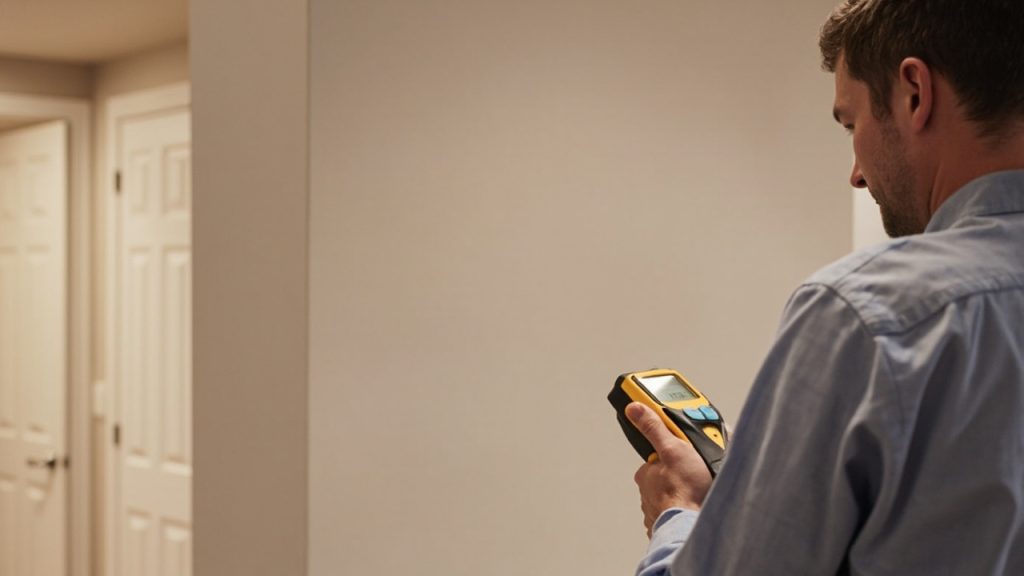
Suwanee homeowners invest significant resources into creating beautiful living spaces below ground level. Whether you have a home theater near the Rivermoore Park area or a guest suite in a neighborhood off Lawrenceville Suwanee Road, your finished basement is a major asset. The 2026 climate in North Georgia has brought unique challenges for property owners. Humidity levels frequently climb above 70 percent during the summer months. This persistent moisture creates a high risk for property damage if you do not manage it correctly.
Finished basements in Gwinnett County face specific environmental pressures. The surrounding soil consists primarily of dense Georgia red clay. This clay holds water tightly and exerts hydrostatic pressure against your foundation walls. When the air becomes saturated with moisture during our peak humidity season, your basement can trap that dampness. Without proper intervention, this leads to musty odors and the growth of mold behind your expensive drywall and flooring.
The Environmental Factors of North Georgia Humidity
The outdoor dew point in Atlanta often stays in the high 60s or low 70s throughout July and August of 2026. This means the air is heavy with water vapor. In a finished basement, the cooler temperatures of the walls and floor cause this vapor to condense into liquid water. This process happens even if you do not have a visible pipe leak. It is a scientific reality of psychrometrics, which is the study of how air and water vapor behave together.
When warm, humid air from your backyard in Suwanee finds its way into your cool basement, it hits the dew point. You might notice your windows fogging or your gym equipment feeling slightly damp to the touch. This moisture provides the perfect environment for microbes to thrive on organic materials like the paper facing on your drywall or the wooden framing behind it. If you have experienced a major event like a burst pipe in Atlanta, the recovery becomes even more complex due to this ambient humidity.

Why Standard Basement Ventilation Fails in 2026
Many homeowners believe that opening a window or running a standard bathroom fan will solve the problem. In the current 2026 climate, this often makes the situation worse. Bringing in outdoor air introduces more moisture into the space. A typical residential air conditioner is not designed to be a primary dehumidifier. While it does remove some water, its main job is to lower the temperature. This leaves the relative humidity high, even if the room feels cool.
Professional moisture control requires a dedicated system. We use industrial grade equipment to manage the grains per pound of water in the air. This measurement is more accurate than simple relative humidity because it tells us the exact weight of the water in the environment. High capacity dehumidification is the only way to ensure that your structural materials stay dry and stable throughout the year.
| Material Type | Ideal Moisture Content | High Humidity Risk Level | Potential Damage in 2026 |
|---|---|---|---|
| Drywall | Under 10% | Above 15% | Structural softening and mold growth |
| Hardwood Flooring | 6% to 9% | Above 12% | Cupping, crowning, and buckling |
| Structural Framing | 10% to 12% | Above 16% | Dry rot and loss of load bearing capacity |
| Carpeting | Dry to touch | 60% RH in room | Musty odors and dust mite proliferation |
Identifying Moisture Problems Before They Destroy Your Property
Early detection is the key to saving your finished basement. You should perform a walk through of your lower level at least once a week during the high humidity season. Look for signs of efflorescence on any exposed foundation sections. This looks like a white, powdery substance. It occurs when water moves through the concrete and leaves minerals behind on the surface. If you see this in your utility closet or storage area, your foundation is under pressure from the outside soil.
Check the baseboards for any signs of swelling. In luxury homes in Buckhead and Suwanee, custom trim work is often the first thing to show damage. If the wood feels soft or looks wavy, you have a moisture problem. You might also notice that doors are sticking in their frames. This happens when the wood absorbs water from the air and expands. These are the physical signals that your home needs professional humidity management.
Signs of Hydrostatic Pressure and Red Clay Drainage Issues
The geography of Gwinnett County plays a major role in basement health. Suwanee sits on rolling hills where the soil is packed tight. When we get heavy rains, the water does not always drain away quickly. Instead, it sits against your basement walls. This creates hydrostatic pressure. This pressure forces liquid water through microscopic cracks in your foundation. It can even push water up through the floor slab.
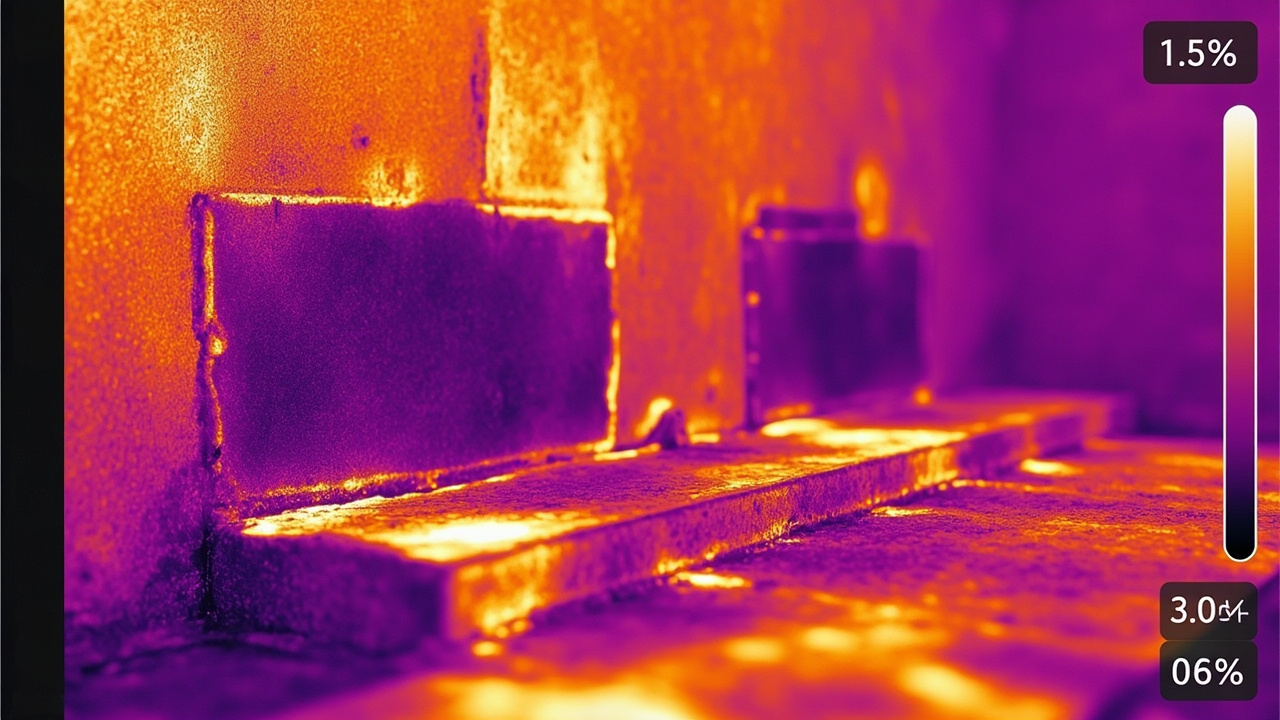
You may need to inspect your gutter downspouts and the grading of your yard. If water pools near your foundation after a storm at Sims Lake Park, that water is eventually going to try to enter your basement. Professional restoration experts use moisture meters and thermal imaging cameras to find these hidden intrusion points. We can see the temperature differences that indicate water behind your finished walls before you ever see a stain.
Detecting Hidden Condensation Behind Drywall
One of the most dangerous types of moisture is the kind you cannot see. Condensation can form on the cold water pipes inside your walls. These pipes then drip onto the insulation and the backside of the drywall. By the time you see a dark spot on your wall, the mold has likely been growing for weeks. This is why maintaining a consistent relative humidity below 50 percent is vital for finished spaces.
Professional Strategies for Maintaining Low Relative Humidity
To keep a basement dry in the 2026 Georgia heat, you need a multi layered approach. This starts with a high quality vapor barrier. A vapor barrier is a specialized material that prevents water vapor from passing through your foundation walls and into your living space. If your basement was finished several years ago, the original barrier might have failed or was never installed correctly. We often help residents in Sandy Springs with flood cleanup and barrier upgrades to prevent future issues.
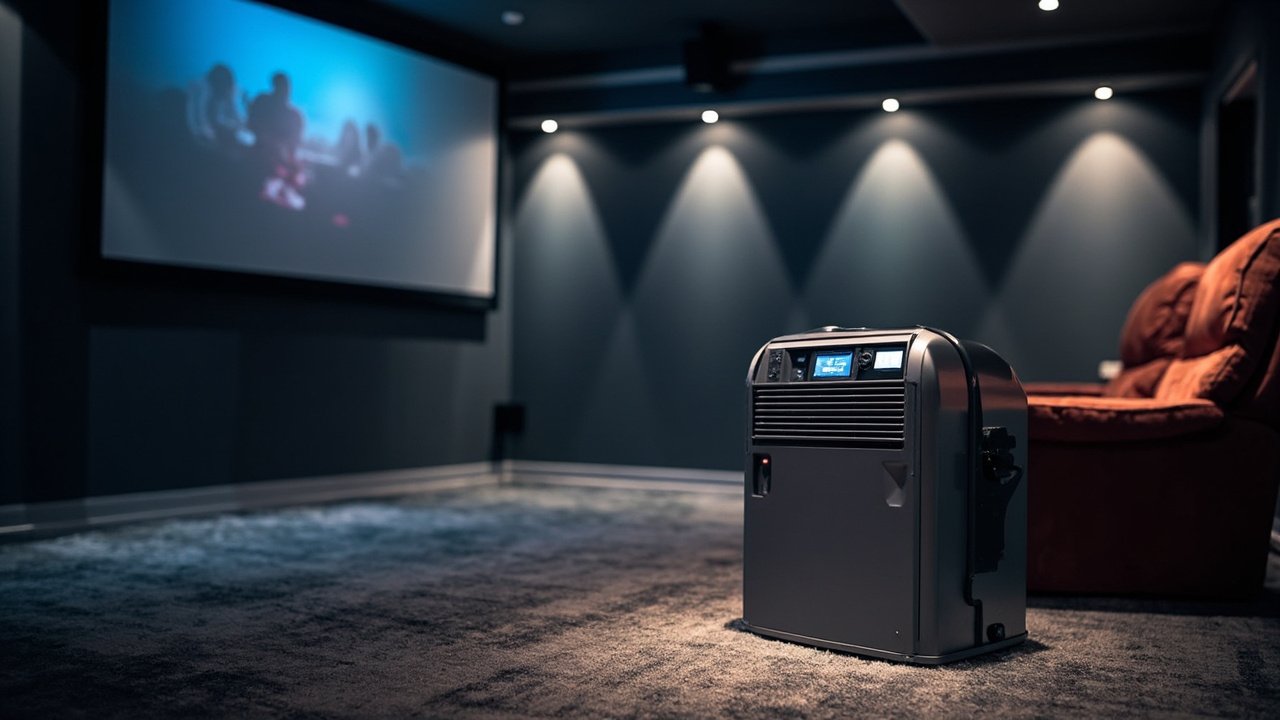
The next step is the installation of a permanent, high capacity dehumidifier. These units are different from the ones you buy at a big box store. They are designed to operate in cooler temperatures and can remove 100 or more pints of water per day. They often tie directly into your HVAC system or have a dedicated drain line. This means you never have to worry about emptying a bucket. This is the standard for modern property management in 2026.
- Install a secondary sump pump with a battery backup system.
- Use an LGR dehumidifier to maintain relative humidity below 50 percent.
- Seal any visible foundation cracks with professional grade epoxy.
- Extend downspouts at least ten feet away from your home.
- Check your HVAC condensate line for clogs regularly.
- Maintain a consistent temperature in the basement to avoid dew point shifts.
High Capacity Dehumidification Systems for Gwinnett County Homes
When we talk about professional equipment, we are referring to machines with high airflow and advanced refrigeration coils. These units are built to run 24 hours a day during the humid months. They use a process called Low Grain Refrigerant technology. This allows the machine to continue removing water even when the air is relatively dry. This is essential for protecting expensive electronics and high end finishes in your home office or theater room.
| Equipment Type | Water Removal Capacity | Ideal Room Size | Primary Use Case |
|---|---|---|---|
| Consumer Portable Unit | 20 to 50 Pints per day | Small bedroom | Temporary moisture relief |
| Whole House Dehumidifier | 70 to 120 Pints per day | Full basement | Permanent humidity control |
| Industrial LGR Unit | 150 to 300 Pints per day | Open floor plans | Emergency water damage restoration |
| Desiccant Dehumidifier | Variable by CFM | Any size | Extreme drying for structural timber |
Managing Water Events and Structural Drying in Atlanta
Even with the best prevention, accidents happen. A failed water heater or a leaking pipe can flood a basement in minutes. If this happens, you need fast emergency water damage restoration in Atlanta to save your finishes. The first 24 hours are the most important. During this time, we can often dry out materials like subflooring and studs without needing to tear them out. This saves you time and money on the reconstruction phase.
Our process involves using high velocity air movers and professional dehumidifiers to create a vortex of dry air. We monitor the progress using specialized moisture probes. This ensures that we are not just drying the surface, but also the structural components of your home. If you manage a commercial property, Atlanta commercial water damage restoration services provide the same level of technical expertise to keep your business running smoothly. According to current guidelines from the Environmental Protection Agency, moisture control is the single most important factor in preventing mold growth after a water event.
Maintaining Your Investment Through Preventative Inspections
You should not wait for a flood to think about your basement health. Many Suwanee residents now schedule annual inspections to check their humidity levels and foundation integrity. We look for signs of settling and verify that your dehumidification system is operating at peak efficiency. This proactive approach is part of the IICRC standards for property maintenance in humid climates. Keeping your home dry is an ongoing commitment that pays off in the long term value of your property.
The 2026 summer season has shown that the old ways of managing basements are no longer sufficient. You need a combination of modern technology and local expertise. The dense clay and high humidity of North Georgia require specific solutions that you cannot find in a generic guide. By focusing on the science of drying and the reality of our local environment, you can enjoy your finished basement for many years without the fear of mold or structural decay.
If you notice a musty smell or see damp spots on your basement walls, do not ignore the signals. These problems do not fix themselves, and they only get more expensive over time. Contact a professional to assess your moisture levels and get a plan for keeping your home safe and dry. Protecting your Suwanee basement is about more than just comfort. It is about protecting your health and your biggest financial investment.
{
“@context”: “https://schema.org”,
“@type”: “BlogPosting”,
“headline”: “Protecting Your Suwanee Finished Basement From High Humidity Damage”,
“description”: “Learn how to maintain your Suwanee finished basement during the high humidity months of 2026. Get professional tips on moisture control and structural drying.”,
“wordCount”: 1724,
“datePublished”: “2026-03-12T10:34:00.000Z”,
“dateModified”: “2026-03-12T10:34:00.000Z”,
“inLanguage”: “en-US”,
“mainEntityOfPage”: {
“@type”: “WebPage”,
“@id”: “https://victorywaterdamagerestorationatlanta.com”
},
“publisher”: {
“@type”: “LocalBusiness”,
“name”: “Victory Water Damage Restoration Atlanta”,
“url”: “https://victorywaterdamagerestorationatlanta.com”
},
“author”: {
“@type”: “Organization”,
“name”: “Victory Water Damage Restoration Atlanta”,
“url”: “https://victorywaterdamagerestorationatlanta.com”
},
“image”: {
“@type”: “ImageObject”,
“url”: “https://victorywaterdamagerestorationatlanta.com/wp-content/uploads/2026/03/keeping-your-suwanee-finished-basement-dry-during-1.jpg”
}
}
{
“@context”: “https://schema.org”,
“@type”: “LocalBusiness”,
“name”: “Victory Water Damage Restoration Atlanta”,
“url”: “https://victorywaterdamagerestorationatlanta.com”,
“address”: {
“@type”: “PostalAddress”,
“addressLocality”: “Atlanta”
},
“areaServed”: {
“@type”: “City”,
“name”: “Atlanta”
}
}
{
“@context”: “https://schema.org”,
“@type”: “BreadcrumbList”,
“itemListElement”: [
{
“@type”: “ListItem”,
“position”: 1,
“name”: “Home”,
“item”: “https://victorywaterdamagerestorationatlanta.com”
},
{
“@type”: “ListItem”,
“position”: 2,
“name”: “Blog”,
“item”: “https://victorywaterdamagerestorationatlanta.com/blog”
},
{
“@type”: “ListItem”,
“position”: 3,
“name”: “Protecting Your Suwanee Finished Basement From High Humidity Damage”
}
]
}
{
“@context”: “https://schema.org”,
“@type”: “Service”,
“serviceType”: “Water Damage Restoration”,
“provider”: {
“@type”: “LocalBusiness”,
“name”: “Victory Water Damage Restoration Atlanta”,
“url”: “https://victorywaterdamagerestorationatlanta.com”
},
“areaServed”: {
“@type”: “City”,
“name”: “Atlanta”
},
“description”: “Learn how to maintain your Suwanee finished basement during the high humidity months of 2026. Get professional tips on moisture control and structural drying.”
}