
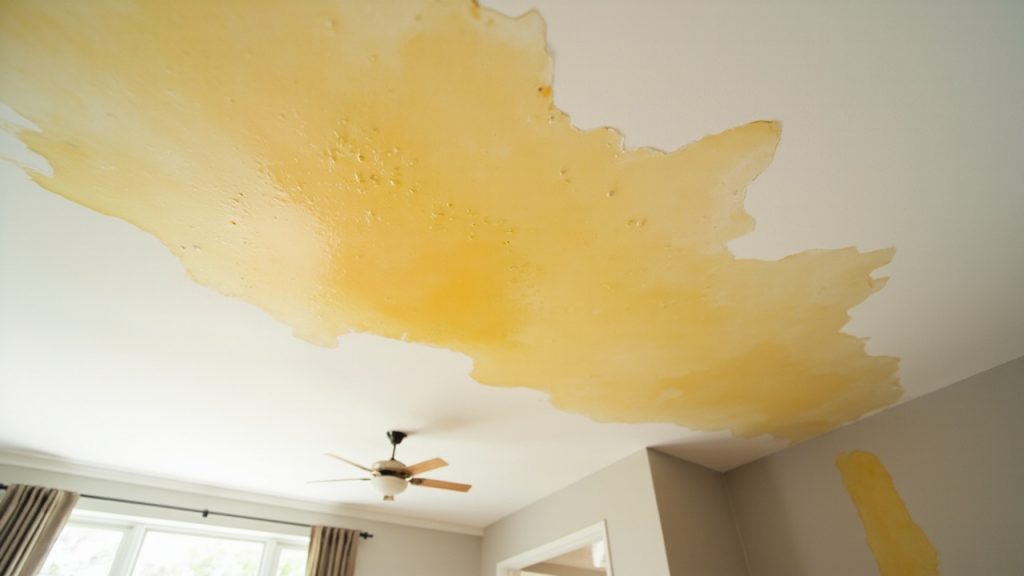
Atlanta summers in 2026 bring a level of humidity that pushes every HVAC system to its limit. Residents in the Morningside-Lenox Park area often deal with cooling units that work around the clock to maintain comfort. This constant operation creates a byproduct that many homeowners overlook. That byproduct is water. Your air conditioner functions as a massive dehumidifier. It pulls gallons of liquid from the humid Georgia air every single day. This water must go somewhere. When the path for that water becomes blocked, your home faces a significant risk of structural damage.
A clogged condensate line is a common cause of residential water damage in Atlanta. It starts as a small blockage of algae or dust. Within hours, that blockage causes a backup. The water has nowhere to go but out of the internal drain pan and into your ceiling. For Morningside homes with HVAC units located in attics or crawl spaces, this leads to soaked drywall and ruined flooring. Understanding the mechanics of this failure helps you protect your property and act fast when a leak occurs.
[IMAGE_PLACE_HOLDER_1]
The Mechanics of Atlanta HVAC Water Damage
Your cooling system relies on an evaporator coil to chill the air. As warm air passes over these cold coils, moisture condenses into liquid. This liquid falls into a primary drain pan and flows out through a PVC pipe known as the condensate line. In 2026, many high-efficiency systems also feature a secondary drain pan as a backup measure. These pans are often shallow and can only hold a small amount of water before overflowing.
The blockage usually occurs due to biofilm growth. The warm, damp environment inside the drain line is a perfect breeding ground for algae and bacteria. Over time, these organisms create a thick sludge. This sludge stops the flow of water. If your system lacks a functional float switch, the AC will continue to run even while water spills over the pan. This water penetrates the attic floor or the ceiling below. Drywall absorbs water like a sponge. Once it reaches a certain saturation point, the weight of the water and the wet insulation causes the ceiling to sag or collapse entirely.
Signs of a Clogged Condensate Line in Your Morningside Residence
You need to recognize the early indicators of a leak before the ceiling falls. One of the most common signs is a musty odor near your air vents or in your HVAC closet. This smell indicates that water is sitting in the drain pan or has already begun to soak into the surrounding wood. You might also notice your AC unit cycling on and off frequently. Modern systems in 2026 often have sensors that shut the unit down when they detect a backup, but older installations in historic Morningside bungalows might not have these safety features.
Visible signs include water stains on your ceiling or walls. These stains often appear as yellow or brown rings. If the paint starts to bubble or peel, water is trapped behind the surface. You should also check the secondary drain line. This is usually a small pipe that exits your house through the soffit or above a window. If you see water dripping from this pipe, it means your primary line is already clogged. This is a clear signal to call for professional assistance immediately.
Why Morningside Architecture and Atlanta Humidity Create a Perfect Storm
Morningside features a mix of historic architecture and modern renovations. Many of these homes have tight attic spaces with limited ventilation. When you combine the local humidity levels, which often stay above 70 percent in the summer of 2026, the volume of condensate is enormous. A standard five-ton unit can produce enough water to fill a bathtub over the course of a week. If that water is diverted into your structural components, the damage is rapid.
The clay soil and landscape of the Atlanta metro area also contribute to higher indoor humidity. Moisture rises from the ground and enters the home through crawl spaces. This puts an even greater load on the HVAC system. If you live near Piedmont Park or the Morningside Nature Preserve, the surrounding vegetation can increase the local dew point. Your AC works harder, produces more water, and increases the likelihood of a drain line failure. For those living in larger estates, the complexity of the plumbing for these systems can lead to hidden leaks that persist for weeks before being noticed.
Immediate Actions to Take for HVAC Ceiling Leaks
If you see water dripping from your ceiling, your first priority is to stop the source. Turn off your HVAC system at the thermostat or the breaker. This stops the production of new condensate. Next, try to contain the water. Place buckets under the leaks to prevent damage to your hardwood floors or carpets. Move furniture and electronics away from the affected area. Do not attempt to poke a hole in the ceiling to drain the water unless you are certain it is safe, as this can lead to a sudden collapse of the drywall and insulation.
You must address the standing water as soon as possible. Even a small amount of moisture can lead to microbial growth within 24 to 48 hours. This is why getting fast emergency water damage restoration in Atlanta is essential. Professional teams use specialized equipment to extract water from deep within the ceiling structure. They also use moisture meters to find hidden pockets of water that you cannot see with the naked eye.
Comparing Restoration Timelines and Potential Damage
The speed of your response determines the total cost and the extent of the repairs. Acting within the first few hours can save your ceiling. Waiting several days often leads to a complete gutting of the affected room.
| Response Time | Physical Damage Observed | Restoration Complexity |
|---|---|---|
| Under 2 Hours | Surface dampness on drywall and minor stains. | Surface drying and paint touch-ups. |
| 12 to 24 Hours | Sagging drywall and saturated insulation. | Partial drywall removal and structural drying. |
| 48 to 72 Hours | Mold growth and structural rot in floor joists. | Full remediation and structural reconstruction. |
| Over 1 Week | Ceiling collapse and widespread fungal contamination. | Complete room renovation and mold abatement. |
[IMAGE_PLACE_HOLDER_2]
Professional Drying Versus DIY Cleanup for HVAC Leaks
Many homeowners think they can dry out a ceiling with a few household fans. This is a mistake that leads to long-term problems. Household fans only move surface air. They do not have the power to pull moisture out of the wooden framing or the thick insulation used in modern 2026 homes. Professional restoration experts use the science of psychrometrics to manage the drying process. This involves controlling temperature, airflow, and humidity to ensure every material reaches its dry standard.
If you leave moisture behind, you invite mold. Fungal spores thrive on the paper backing of drywall. Once mold starts growing inside a ceiling cavity, it can spread through your ductwork and affect the air quality of the entire house. For homeowners who value high-end finishes, especially those seeking professional water damage restoration for luxury homes in Buckhead and Morningside, the risk of secondary damage is too high to ignore. Professionals use industrial-grade LGR dehumidifiers to pull moisture from the air and prevent mold colonization.
Structural Components at Risk from AC Overflow
When an AC line clogs, the water does not just sit on the ceiling. It travels along the easiest path. This might be along a floor joist, down a wall stud, or into electrical fixtures. Understanding which materials are at risk helps you prioritize the restoration process.
| Material Type | Reaction to HVAC Water Leak | Drying Difficulty |
|---|---|---|
| Drywall | Loses structural integrity and sags. | Moderate to High. |
| Fiberglass Insulation | Loses R-value and holds water for weeks. | Very High (often requires replacement). |
| Hardwood Flooring | Cups and warps if water drips from above. | High. |
| Plywood Subfloor | Delaminates and swells. | Moderate. |
IICRC Standards for Secondary Damage Prevention
The Institute of Inspection, Cleaning and Restoration Certification provides the industry standards for water damage cleanup. Following the IICRC S500 standards ensures that the restoration is done safely and effectively. These standards categorize water based on its cleanliness and determine the drying protocols needed. While AC condensate is initially clean water, it quickly becomes contaminated as it passes through dusty attics or across old insulation. This makes it a category 2 or even category 3 situation if left untreated.
Restoration professionals in 2026 use high-tech tools to adhere to these standards. They use thermal imaging cameras to see the thermal signature of water behind walls. This ensures that no wet spots are left behind to rot. They also monitor the drying progress daily, adjusting the placement of air movers to maximize evaporation. This level of detail is what prevents the need for major reconstruction later.
The Role of Humidity in 2026 Atlanta Property Maintenance
Managing a home in Atlanta requires constant vigilance against moisture. Beyond HVAC clogs, other issues like a burst pipe in Atlanta can create similar levels of devastation. The key is to have a maintenance schedule. You should flush your AC condensate lines with a mixture of vinegar and water every few months. This kills the biofilm before it can form a clog. You should also ensure that your secondary drain pan is clean and equipped with a working float switch.
For those managing commercial properties or large multi-family units, the stakes are even higher. A single HVAC leak on the fourth floor can damage every unit below it. This is why minimizing business downtime with Atlanta commercial water damage restoration is a priority for local business owners. Speed and professional drying equipment are the only ways to prevent a small leak from becoming a massive liability.
Professional Restoration Throughout the Atlanta Metro Area
Whether you are in the heart of Morningside or need Sandy Springs flood cleanup, the principles of water extraction remain the same. You need a team that understands the local climate and the specific challenges of Georgia homes. In 2026, the demand for high-quality restoration has never been higher due to the increasingly intense summer weather patterns.
The restoration process involves several critical steps: extraction, evaporation, dehumidification, and monitoring. First, technicians use truck-mounted pumps to remove any standing water. Then, they set up axial air movers to create high-velocity airflow across wet surfaces. Dehumidifiers work in tandem with these fans to pull the evaporated moisture out of the air. Finally, moisture sensors provide data to confirm the home is returned to pre-loss conditions.
The Restoration Checklist for Morningside Residents
- Shut down the HVAC system immediately to stop water production.
- Check the attic or crawl space for the source of the clog.
- Remove any wet items from the floor to prevent staining.
- Contact a restoration expert with IICRC certification.
- Avoid using shop vacuums on large amounts of water near electrical sources.
- Keep the affected area as cool as possible to slow down microbial growth.
- Document the damage with photos for your insurance claim.
The Environmental Protection Agency provides guidelines on how to handle moisture issues to prevent mold. You can find more information on their official website regarding mold remediation and moisture control. Following these guidelines, combined with professional drying, ensures your home remains a healthy environment for your family.
Restoring Peace of Mind after HVAC Water Damage
Dealing with a ruined ceiling is a stressful experience. The sound of water dripping behind your walls can cause immediate panic. However, with the right professional help, your Morningside home can be restored to its original state. The goal is to act before the water compromises the safety of your structure. By maintaining your HVAC system and responding quickly to signs of trouble, you can avoid the most severe consequences of a condensate line clog.
If you find yourself facing a water emergency in Morningside, Ansley Park, or Virginia-Highland, do not wait for the damage to spread. Reach out to a team that has the experience and equipment to handle the unique challenges of Atlanta water damage restoration. Expert technicians are ready to assist you in 2026, ensuring your home stays dry and your family stays safe.
{
“@context”: “https://schema.org”,
“@type”: “BlogPosting”,
“headline”: “How an AC condensate line clog can ruin your ceiling in Morningside”,
“description”: “AC condensate leaks can cause sudden ceiling collapses in Morningside. Learn why these clogs happen and how to handle water damage restoration in Atlanta.”,
“wordCount”: 2016,
“datePublished”: “2026-03-07T07:29:00.000Z”,
“dateModified”: “2026-03-07T07:29:00.000Z”,
“inLanguage”: “en-US”,
“mainEntityOfPage”: {
“@type”: “WebPage”,
“@id”: “https://victorywaterdamagerestorationatlanta.com”
},
“publisher”: {
“@type”: “LocalBusiness”,
“name”: “Victory Water Damage Restoration Atlanta”,
“url”: “https://victorywaterdamagerestorationatlanta.com”
},
“author”: {
“@type”: “Organization”,
“name”: “Victory Water Damage Restoration Atlanta”,
“url”: “https://victorywaterdamagerestorationatlanta.com”
},
“image”: {
“@type”: “ImageObject”,
“url”: “https://victorywaterdamagerestorationatlanta.com/wp-content/uploads/2026/03/how-an-ac-condensate-line-clog-can-actually-ruin-y-1.jpg”
}
}
{
“@context”: “https://schema.org”,
“@type”: “LocalBusiness”,
“name”: “Victory Water Damage Restoration Atlanta”,
“url”: “https://victorywaterdamagerestorationatlanta.com”,
“address”: {
“@type”: “PostalAddress”,
“addressLocality”: “Atlanta”
},
“areaServed”: {
“@type”: “City”,
“name”: “Atlanta”
}
}
{
“@context”: “https://schema.org”,
“@type”: “BreadcrumbList”,
“itemListElement”: [
{
“@type”: “ListItem”,
“position”: 1,
“name”: “Home”,
“item”: “https://victorywaterdamagerestorationatlanta.com”
},
{
“@type”: “ListItem”,
“position”: 2,
“name”: “Blog”,
“item”: “https://victorywaterdamagerestorationatlanta.com/blog”
},
{
“@type”: “ListItem”,
“position”: 3,
“name”: “How an AC condensate line clog can ruin your ceiling in Morningside”
}
]
}
{
“@context”: “https://schema.org”,
“@type”: “Service”,
“serviceType”: “Water Damage Restoration”,
“provider”: {
“@type”: “LocalBusiness”,
“name”: “Victory Water Damage Restoration Atlanta”,
“url”: “https://victorywaterdamagerestorationatlanta.com”
},
“areaServed”: {
“@type”: “City”,
“name”: “Atlanta”
},
“description”: “AC condensate leaks can cause sudden ceiling collapses in Morningside. Learn why these clogs happen and how to handle water damage restoration in Atlanta.”
}