
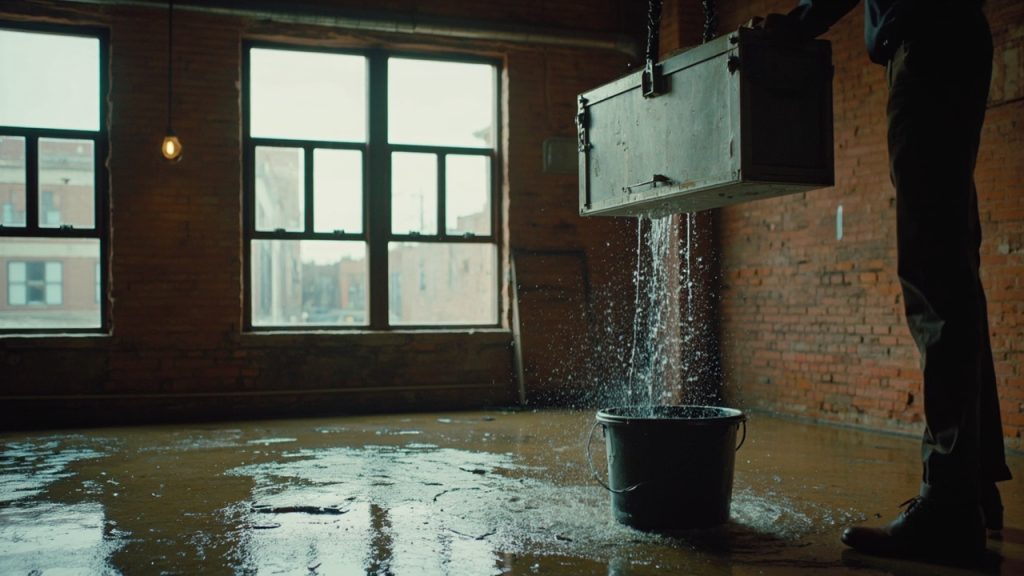
Living in the heart of Atlanta offers an incredible urban experience. Many residents choose the Old Fourth Ward because of the historic industrial buildings and modern mid-rise developments. These properties often feature shared walls and ceilings. When water begins dripping from the unit above your home, you must act with speed to protect your property and your health. This situation requires a specific understanding of how Atlanta lofts are constructed and how Georgia property laws apply to multi-family buildings in 2026.
The immediate moments after discovering a leak are critical. Water moves quickly through concrete slabs and wood floor joists common in O4W buildings like those near the BeltLine. If you notice a damp spot on your ceiling or water running down a wall, your first priority is stopping the flow. You should immediately try to contact the neighbor living above you. If they are not home, you must contact your property management office or the HOA board to access the main water shut-off valve for that line.
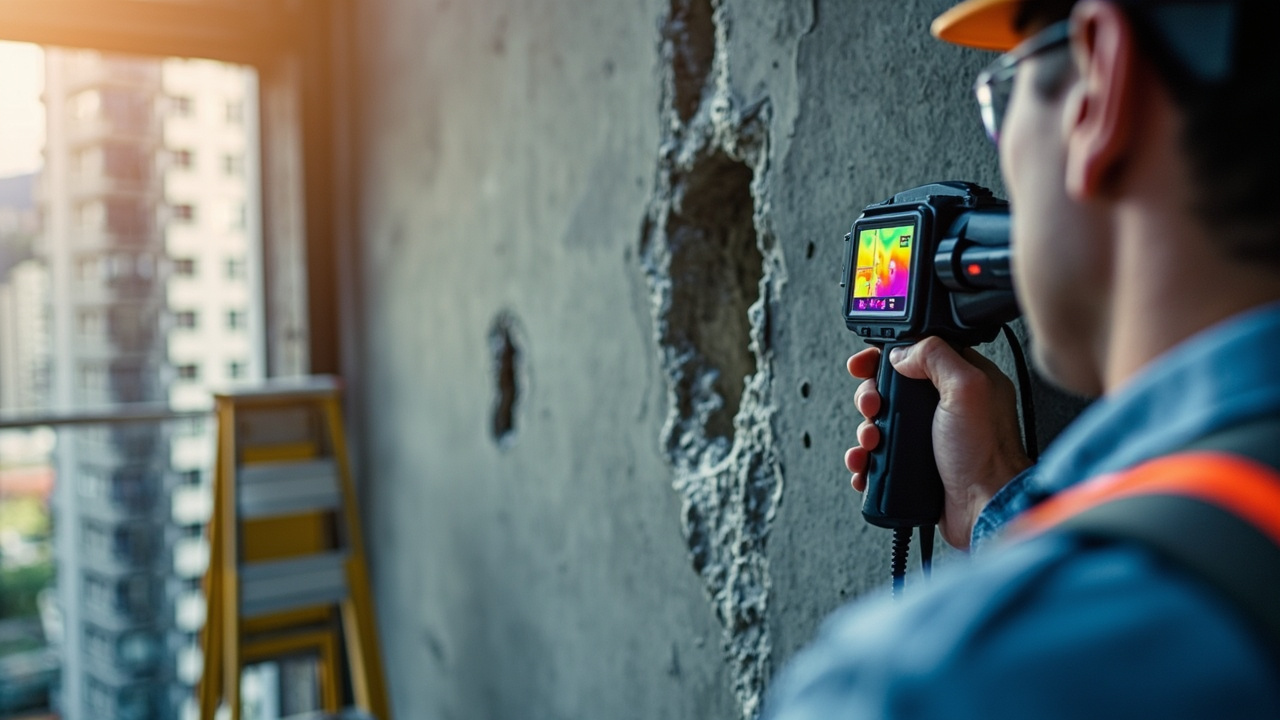
Documentation is your most important tool during the first hour. Take high-quality video and photos of the water entering your unit. Capture the damage to your furniture, electronics, and the structural components of your loft. If you need professional assistance to document the extent of the moisture, you can learn how to get fast emergency water damage restoration in Atlanta when every minute counts. Professional teams use thermal imaging to see water that remains hidden behind finished surfaces.

Understanding Liability and the Georgia Condominium Act in 2026
Determining who pays for water damage in an Atlanta loft depends on the source of the leak and the specific bylaws of your association. The Georgia Condominium Act provides the framework for these disputes. In most cases, if a neighbor has a sudden pipe failure that they could not have predicted, they might not be legally negligent. This means your own HO-6 insurance policy may have to cover the repairs to your unit while their policy covers their own repairs. This often surprises many loft owners who expect the person above to pay for everything.
Negligence changes the situation. If a neighbor leaves a bathtub running or fails to repair a known leaking water heater, they may be held liable for your damages. In these cases, their insurance company might be responsible for your deductible and the cost of restoration. You must review your HOA governing documents to understand the drywall in rule. This rule typically states that the association is responsible for everything behind the drywall, while the individual owner is responsible for the finishes inside the unit. If the leak started from a burst pipe in Atlanta within a common wall, the HOA master policy might be the primary coverage source.
The following table outlines common scenarios for water damage liability in Old Fourth Ward lofts during 2026.
| Source of the Leak | Primary Responsibility | Insurance Type Involved |
|---|---|---|
| Overflowing toilet in unit above | Upper Unit Owner | Neighbor HO-6 Policy |
| Main water riser failure in wall | Homeowners Association | HOA Master Policy |
| Roof leak during a storm | Homeowners Association | HOA Master Policy |
| Failure of owner-installed appliance | Upper Unit Owner | Neighbor HO-6 Policy |
Technical Challenges of Drying Historic Old Fourth Ward Lofts
Many lofts in the 30308 and 30312 zip codes are converted industrial spaces. These buildings often have thick concrete floors or heavy timber framing. Water behaves differently in these structures compared to standard suburban homes. In a luxury high-rise, water might follow the path of least resistance through utility chases and electrical conduits. This can cause damage several floors below the original leak. If you are dealing with high-end materials, you may need professional water damage restoration for luxury homes in Buckhead style properties to ensure historical or expensive finishes are preserved.
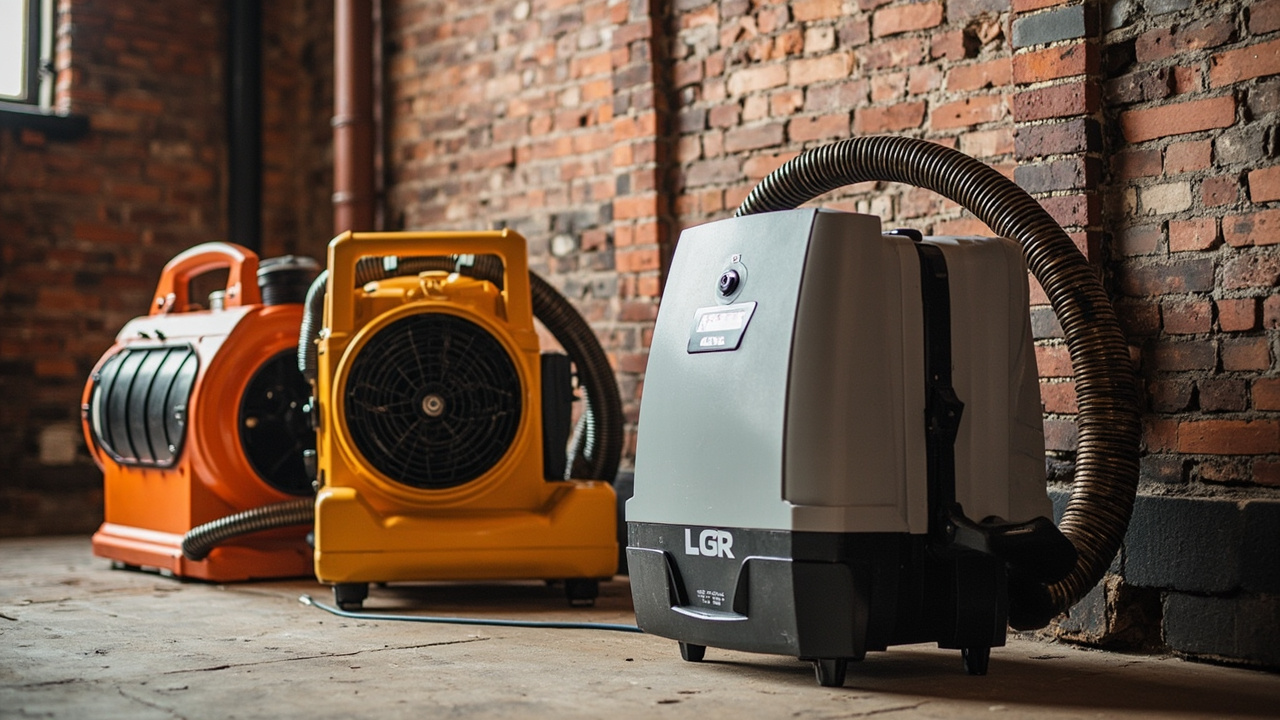
Concrete is porous and acts like a sponge. Even if the surface looks dry, the slab can hold significant moisture that will eventually lead to mold or the failure of your flooring. Restoration professionals in 2026 use Low Grain Refrigerant dehumidifiers to pull moisture from these dense materials. This equipment is essential for the humid Atlanta climate. Without proper dehumidification, the moisture trapped in your loft will cause secondary damage like warped wood beams or peeling paint on brick surfaces.
Restoration Timelines and Material Drying Expectations
The time required to dry your loft depends on the materials used in its construction. Industrial lofts with exposed brick and concrete require longer drying times than modern units with standard drywall. Professionals follow the Institute of Inspection Cleaning and Restoration Certification standards to determine when a building is truly dry. They use moisture meters to compare the affected materials to dry standards found in unaffected parts of the building.
The table below shows the typical drying times for common materials found in Atlanta loft buildings.
| Material Type | Estimated Drying Time | Required Equipment |
|---|---|---|
| Standard Drywall | 3 to 4 Days | Air Movers and Dehumidifiers |
| Hardwood over Plywood | 5 to 7 Days | Floor Mat Drying Systems |
| Concrete Subfloors | 5 to 10 Days | LGR Dehumidifiers |
| Exposed Industrial Brick | 7 to 12 Days | High Velocity Air Fans |
If your unit has concrete floors, the water may travel under the baseboards and sit in the gap between the wall and the floor. This area is a prime location for mold growth. Technicians may need to remove baseboards or use specialized wall-venting systems to push air into the wall cavities. This process ensures that the structural studs are dry before the walls are sealed back up.
Steps to Manage Your Insurance Claim After a Leak
Filing an insurance claim for a condo or loft leak is more complicated than a standard home claim. You are dealing with your own insurance, potentially your neighbor insurance, and the HOA master policy. You must follow a specific sequence to ensure you get the maximum coverage available under your policy.
- Call your insurance agent immediately to open a claim under your HO-6 policy.
- Notify the HOA board and the property management company in writing about the incident.
- Request a copy of the insurance adjuster report from the neighbor unit if they are at fault.
- Keep a detailed log of every professional who enters your home and what work they perform.
- Save all receipts for temporary housing or cleaning supplies as these are often reimbursable.
In many cases, your insurance company will engage in a process called subrogation. This means your insurance pays for your repairs initially and then pursues the neighbor insurance company for reimbursement. This is the fastest way to get your home back to normal. It prevents you from having to wait for the neighbor to admit fault or for their insurance company to finish a lengthy investigation.
Protecting Your Property from Mold in the Atlanta Climate
Atlanta is known for high humidity, especially during the summer months. This humidity accelerates mold growth when water is present. Mold can begin to grow within 24 to 48 hours of a leak. In a shared building, mold spores can travel through HVAC vents and shared wall gaps. This makes thorough drying even more important. A professional restoration team will apply antimicrobial treatments to the affected areas to prevent spores from germinating during the drying process.
If the water from the unit above is gray water from a dishwasher or black water from a toilet, the health risks are much higher. These types of leaks require specialized cleaning and sanitization. You should not attempt to clean these yourself. Professionals follow strict safety protocols to remove pathogens while protecting the air quality in your home.
Working with Property Management in Old Fourth Ward
Property managers in O4W buildings have a lot of experience with these issues. They maintain the list of approved vendors and know where the shut-off valves are located. However, their primary duty is to the association, not necessarily to you as an individual owner. You must be your own advocate. Ensure that the property manager documents the leak source accurately in their official incident report. This report is a vital piece of evidence if there is a dispute over liability later.
If the leak is affecting common areas like the hallways or elevators, the HOA should be moving just as fast as you are. Water damage in common areas can lead to structural issues that affect the property value of the entire building. Communication between all parties is the only way to ensure the restoration goes smoothly. Make sure to attend the next HOA board meeting if the response from the association is slow or if there are concerns about the master policy deductible.
Your loft is a major investment. Whether you are in a historic warehouse conversion near the Ponce City Market or a new modern build on Glen Iris Drive, water damage from a neighbor is a serious threat. By taking immediate action, documenting everything, and hiring experts who understand the unique architecture of Atlanta lofts, you can minimize the impact on your life. If you are a business owner in a mixed-use building, you should also consider minimizing business downtime with Atlanta commercial water damage restoration strategies to protect your livelihood. Residents in the northern suburbs can find similar specialized help with Sandy Springs flood cleanup and professional water extraction services for large scale water events. Stay proactive and ensure your home is dried properly to the highest professional standards.
Contact us today for a full assessment of your loft if you suspect water has entered from a neighboring unit. We provide 24 hour emergency response throughout the Old Fourth Ward and the surrounding Atlanta neighborhoods.
{
“@context”: “https://schema.org”,
“@type”: “BlogPosting”,
“headline”: “Dealing with water damage from the unit above in your Old Fourth Ward loft”,
“description”: “Learn how to handle water leaks from neighbors in Old Fourth Ward lofts. Expert advice on Georgia insurance laws, HOA liability, and fast restoration in 2026.”,
“wordCount”: 1594,
“datePublished”: “2026-03-06T15:49:00.000Z”,
“dateModified”: “2026-03-06T15:49:00.000Z”,
“inLanguage”: “en-US”,
“mainEntityOfPage”: {
“@type”: “WebPage”,
“@id”: “https://victorywaterdamagerestorationatlanta.com”
},
“publisher”: {
“@type”: “LocalBusiness”,
“name”: “Victory Water Damage Restoration Atlanta”,
“url”: “https://victorywaterdamagerestorationatlanta.com”
},
“author”: {
“@type”: “Organization”,
“name”: “Victory Water Damage Restoration Atlanta”,
“url”: “https://victorywaterdamagerestorationatlanta.com”
},
“image”: {
“@type”: “ImageObject”,
“url”: “https://victorywaterdamagerestorationatlanta.com/wp-content/uploads/2026/03/what-to-do-when-your-old-fourth-ward-loft-has-a-le-1.jpg”
}
}
{
“@context”: “https://schema.org”,
“@type”: “LocalBusiness”,
“name”: “Victory Water Damage Restoration Atlanta”,
“url”: “https://victorywaterdamagerestorationatlanta.com”,
“address”: {
“@type”: “PostalAddress”,
“addressLocality”: “Atlanta”
},
“areaServed”: {
“@type”: “City”,
“name”: “Atlanta”
}
}
{
“@context”: “https://schema.org”,
“@type”: “BreadcrumbList”,
“itemListElement”: [
{
“@type”: “ListItem”,
“position”: 1,
“name”: “Home”,
“item”: “https://victorywaterdamagerestorationatlanta.com”
},
{
“@type”: “ListItem”,
“position”: 2,
“name”: “Blog”,
“item”: “https://victorywaterdamagerestorationatlanta.com/blog”
},
{
“@type”: “ListItem”,
“position”: 3,
“name”: “Dealing with water damage from the unit above in your Old Fourth Ward loft”
}
]
}
{
“@context”: “https://schema.org”,
“@type”: “Service”,
“serviceType”: “Water Damage Restoration”,
“provider”: {
“@type”: “LocalBusiness”,
“name”: “Victory Water Damage Restoration Atlanta”,
“url”: “https://victorywaterdamagerestorationatlanta.com”
},
“areaServed”: {
“@type”: “City”,
“name”: “Atlanta”
},
“description”: “Learn how to handle water leaks from neighbors in Old Fourth Ward lofts. Expert advice on Georgia insurance laws, HOA liability, and fast restoration in 2026.”
}