
Determining who is actually responsible for water damage in a Little Five Points condo association
Living in a Little Five Points condo offers a vibrant lifestyle near Moreland Avenue and the iconic landmarks that define this Atlanta neighborhood. Whether you reside in a converted industrial loft or a modern mid-rise development, the reality of shared walls and communal plumbing means water damage is a frequent concern. When a leak appears in your ceiling or your floors begin to warp, the first question is always about liability. Identifying the responsible party involves looking at the source of the water and the specific language in your association governing documents. This guide helps you understand the legal and insurance frameworks governing these situations in 2026.
Water damage in high-density areas like Little Five Points often stems from aging infrastructure in historic conversions or pressurized pipe failures in newer builds. Because units are stacked and adjacent, a single pipe burst can affect four or five separate homes. In these moments, you need to know if the repair falls under your personal HO-6 policy or the association master policy. Speed is essential because the humid Atlanta climate promotes rapid mold growth within 24 to 48 hours of an event. If you are facing a crisis right now, you can learn how to get fast emergency water damage restoration in Atlanta when every minute counts to protect your property value.
The Georgia Condominium Act and your ownership rights
The foundation of liability in any Atlanta condo is the Georgia Condominium Act. This state law, specifically found under O.C.G.A. 44-3-70, sets the ground rules for how property is divided between the individual owner and the association. In Little Five Points, many associations have complex declarations that further refine these rules. Generally, everything from the drywall inward is your responsibility. This is often called a walls-in or studs-in ownership model. The association typically owns and maintains the common elements, which include the roof, exterior walls, and the main plumbing lines that serve multiple units.
There is also a category known as limited common elements. These are areas that the association owns but only one unit owner has the right to use, such as a balcony or a private parking space in a garage. If a pipe serving only your unit leaks, the liability usually rests with you. If a main riser pipe serving the entire building fails, the association typically takes responsibility. Understanding these distinctions is the first step in determining who pays for the extraction and drying process. Our team sees this often when providing professional water damage restoration for luxury homes in Buckhead and surrounding high-density Atlanta neighborhoods.
Comparing master policies and individual HO 6 coverage
Insurance coverage for condos in 2026 generally follows one of two paths. The first is a bare walls policy held by the association. This policy covers the structural elements but leaves the replacement of flooring, cabinetry, and fixtures to the unit owner. The second is an all-in policy, which might cover original installations but not upgrades you made after purchasing the unit. Your individual HO-6 policy is designed to fill the gaps left by the association coverage. This includes your personal belongings and the cost of temporary housing if your L5P condo becomes uninhabitable during the drying process.
| Asset Type | Typically Covered By Association | Typically Covered By Owner |
|---|---|---|
| Roof and Exterior Siding | Yes | No |
| Drywall and Paint | Rarely (bare walls) | Yes |
| Plumbing Main Lines | Yes | No |
| Hardwood Floors and Carpeting | No | Yes |
| Kitchen Cabinets and Fixtures | No | Yes |
| Personal Property and Furniture | No | Yes |
Determining negligence in water damage cases
Responsibility is not always about who owns the pipe. It is often about who was negligent. If a unit owner in a Little Five Points building knows their water heater is ten years old and leaking but chooses to ignore it, they may be held liable for damage to the units below. This is true even if the pipe itself is within a shared wall. Conversely, if the association fails to maintain the roof drainage system and a heavy Atlanta rainstorm causes a backup into your top-floor unit, the association may be responsible due to a failure in maintenance duties.
In 2026, many insurance companies are becoming more aggressive with subrogation. This is the process where your insurance company pays for your repairs and then sues the responsible party or their insurance provider to recoup the costs. This happens frequently in L5P when a neighbor leaves a bathtub running or a washing machine hose fails. For immediate assistance with sudden plumbing failures, you should seek emergency help for a burst pipe in Atlanta and how to find fast cleanup before the water migrates into structural voids.

The deductible dilemma for Atlanta condo owners
One of the most misunderstood parts of condo living in Atlanta is the master policy deductible. Association deductibles have risen significantly in 2026, often reaching five figures. If a common area pipe bursts and causes damage to several units, the association may legally pass that deductible cost onto the unit owners. This is permitted under the Georgia Condominium Act unless your specific bylaws prohibit it. You must ensure your HO-6 policy includes loss assessment coverage. This specific coverage helps pay your portion of the association deductible so you do not have to pay thousands of dollars out of pocket when a building-wide issue occurs.
The cost of mitigation in 2026 is influenced by the category of water involved. Clean water from a supply line is less expensive to dry than gray water from a dishwasher or black water from a sewage backup. Little Five Points has several older buildings where sewer lines can be prone to intrusion from tree roots, leading to complex cleanup scenarios. Using the right standards, such as those established by the IICRC, ensures the property is sanitized correctly to prevent health issues for residents.
| Water Category | Source Example | Sanitization Level |
|---|---|---|
| Category 1 | Broken supply line or sink overflow | Standard drying with minimal antimicrobial use |
| Category 2 | Dishwasher leak or sump pump failure | Thorough cleaning and antimicrobial application |
| Category 3 | Sewage backup or river flooding | Aggressive removal of porous materials and deep disinfection |
Immediate steps to take when a leak is found
When you find water entering your home, you must act as if you are responsible until a professional determines otherwise. Waiting for the association board to meet can lead to permanent structural damage and hazardous mold growth. Following a clear protocol helps protect your legal position and your physical health. If the damage extends to a professional space or home office, you might also need to consider minimizing business downtime with Atlanta commercial water damage restoration strategies.
- Stop the water flow at the source or the main unit shut-off valve.
- Notify the property manager or the HOA board immediately in writing.
- Document the damage with high-resolution photos and video before any water is removed.
- Contact a professional restoration company to perform a moisture map and start the extraction.
- Call your insurance agent to open a claim and provide them with the association contact information.
- Keep all receipts for emergency repairs and any out-of-pocket costs for drying equipment.
Specific challenges in Little Five Points properties
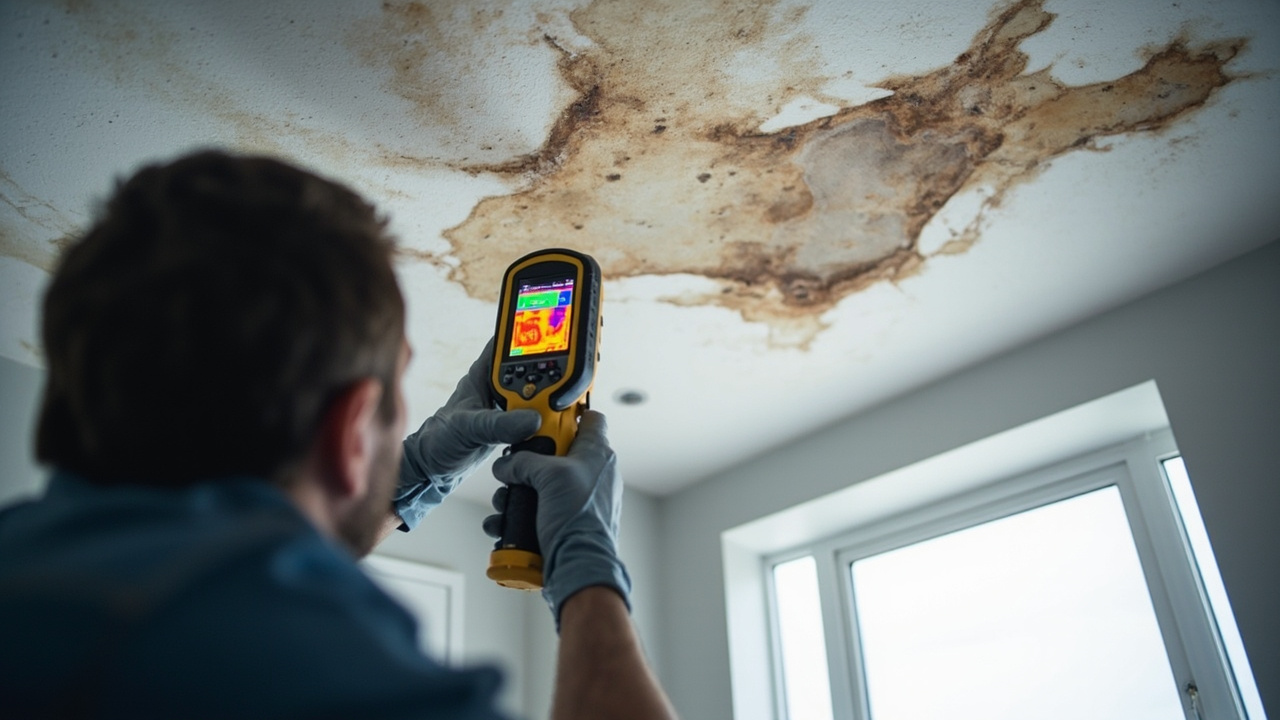
The architectural diversity in Little Five Points presents unique challenges for water mitigation. In many of the area Victorian era conversions, the plumbing was retrofitted decades ago. These older pipes can fail without warning. Furthermore, the structural wood used in these historic buildings is highly absorbent. In modern buildings near the Atlanta Beltline, the use of lightweight concrete and complex HVAC systems can trap moisture in ways that are difficult to detect without thermal imaging cameras. Professional restoration teams must use specialized equipment to reach moisture trapped behind historic plaster or beneath multi-layered flooring systems.
If you are located just north of the city, you may find similar issues in other suburbs. We provide extensive Sandy Springs flood cleanup and professional water extraction services for residents dealing with similar multi-unit liability questions. The core principles of the Georgia Condominium Act apply across the entire metro area, making it vital for every condo owner to review their specific association bylaws at least once a year.
Common element vs limited common element liability
The distinction between common elements and limited common elements is the most frequent source of legal disputes in Atlanta condo associations. A common element is something everyone uses, like the lobby or the main roof. A limited common element is a part of the common property that is reserved for your exclusive use. A classic example is the HVAC condenser located on the building roof. Even though it is on common property, it only serves your unit. If the drain line for that unit clogs and floods the hallway, you are likely the responsible party.
The maintenance of these items is your duty as a homeowner. Failure to perform routine maintenance on your limited common elements can lead to a denial of insurance claims by the association carrier. They will argue that your negligence caused the damage, shifting the financial burden entirely to you. Staying proactive with plumbing inspections and appliance maintenance is the best way to avoid these high-stakes liability battles in the 2026 insurance market.
Final thoughts on condo water damage in Atlanta
Managing a water damage event in a Little Five Points condo association requires a balance of quick action and careful documentation. You must work closely with the property management team while ensuring your own interests are protected by your insurance provider. By understanding the Georgia Condominium Act and the nuances of your master policy, you can navigate the recovery process with confidence. Professional restoration experts play a key role in this process by providing the objective data needed to prove the source and extent of the damage. If you suspect moisture is hiding in your walls or floors, do not wait for the situation to worsen. Contact a local restoration professional who understands the specific building codes and insurance requirements of the Atlanta metro area to start the recovery process today.
{
“@context”: “https://schema.org”,
“@type”: “BlogPosting”,
“headline”: “Who is actually responsible for water damage in a Little Five Points condo association?”,
“description”: “Understand liability for water damage in Little Five Points condos. Learn about Georgia laws, HOA policies, and individual responsibility in Atlanta for 2026.”,
“wordCount”: 1681,
“datePublished”: “2026-02-14T08:23:00.000Z”,
“dateModified”: “2026-02-14T08:23:00.000Z”,
“inLanguage”: “en-US”,
“mainEntityOfPage”: {
“@type”: “WebPage”,
“@id”: “https://victorywaterdamagerestorationatlanta.com”
},
“publisher”: {
“@type”: “LocalBusiness”,
“name”: “Victory Water Damage Restoration Atlanta”,
“url”: “https://victorywaterdamagerestorationatlanta.com”
},
“author”: {
“@type”: “Organization”,
“name”: “Victory Water Damage Restoration Atlanta”,
“url”: “https://victorywaterdamagerestorationatlanta.com”
},
“image”: {
“@type”: “ImageObject”,
“url”: “https://victorywaterdamagerestorationatlanta.com/wp-content/uploads/2026/03/who-is-actually-responsible-for-water-damage-in-a-1.jpg”
}
}
{
“@context”: “https://schema.org”,
“@type”: “LocalBusiness”,
“name”: “Victory Water Damage Restoration Atlanta”,
“url”: “https://victorywaterdamagerestorationatlanta.com”,
“address”: {
“@type”: “PostalAddress”,
“addressLocality”: “Atlanta”
},
“areaServed”: {
“@type”: “City”,
“name”: “Atlanta”
}
}
{
“@context”: “https://schema.org”,
“@type”: “BreadcrumbList”,
“itemListElement”: [
{
“@type”: “ListItem”,
“position”: 1,
“name”: “Home”,
“item”: “https://victorywaterdamagerestorationatlanta.com”
},
{
“@type”: “ListItem”,
“position”: 2,
“name”: “Blog”,
“item”: “https://victorywaterdamagerestorationatlanta.com/blog”
},
{
“@type”: “ListItem”,
“position”: 3,
“name”: “Who is actually responsible for water damage in a Little Five Points condo association?”
}
]
}
{
“@context”: “https://schema.org”,
“@type”: “Service”,
“serviceType”: “Water Damage Restoration”,
“provider”: {
“@type”: “LocalBusiness”,
“name”: “Victory Water Damage Restoration Atlanta”,
“url”: “https://victorywaterdamagerestorationatlanta.com”
},
“areaServed”: {
“@type”: “City”,
“name”: “Atlanta”
},
“description”: “Understand liability for water damage in Little Five Points condos. Learn about Georgia laws, HOA policies, and individual responsibility in Atlanta for 2026.”
}