
Luxury Vinyl Plank flooring has become the standard for homes in Smyrna and across the metro Atlanta area. Homeowners love it because it handles the high humidity near the Chattahoochee River and survives the muddy paws of dogs coming in from the Silver Comet Trail. Many people choose this material because it is labeled as waterproof. However, a major misconception exists regarding what waterproof really means when a pipe bursts or a water heater fails in your crawl space. The planks themselves might resist water damage, but the layers underneath them are extremely vulnerable.
Saving your flooring without total removal depends on several factors. Our teams have spent over fifteen years managing fast emergency water damage restoration in Atlanta and we have seen how trapped moisture behaves. If you catch the leak early and the water is clean, there is a strong chance we can dry the subfloor through the seams using specialized equipment. If the water sat for days or came from a contaminated source, the situation changes. You need to understand the mechanics of moisture migration to make an informed decision about your home.
The Myth of the Waterproof Floor System
Manufacturers market LVP as waterproof because the PVC core and wear layer do not absorb liquid. Unlike traditional hardwood that swells or laminate that disintegrates, vinyl stays stable when wet. The problem is that an LVP floor is a system, not just a material. In most Smyrna renovations, these planks are installed as a floating floor. They click together but are not airtight. Water travels through the perimeter gaps near your baseboards and seeps through the micro-gaps in the locking mechanisms. This is known as capillary action.
Once water gets under the planks, it stays there. The plastic material that protects the top of the floor now acts as a vapor barrier. It prevents the water underneath from evaporating naturally. In the humid Georgia climate, this trapped pocket of moisture becomes a breeding ground for microbes within twenty-four to forty-eight hours. If your floor has a cork or foam backing, that material will soak up the water like a sponge. This creates a moist environment against your plywood subfloor or concrete slab that will never dry on its own.
Identifying Moisture Under Your LVP Planks
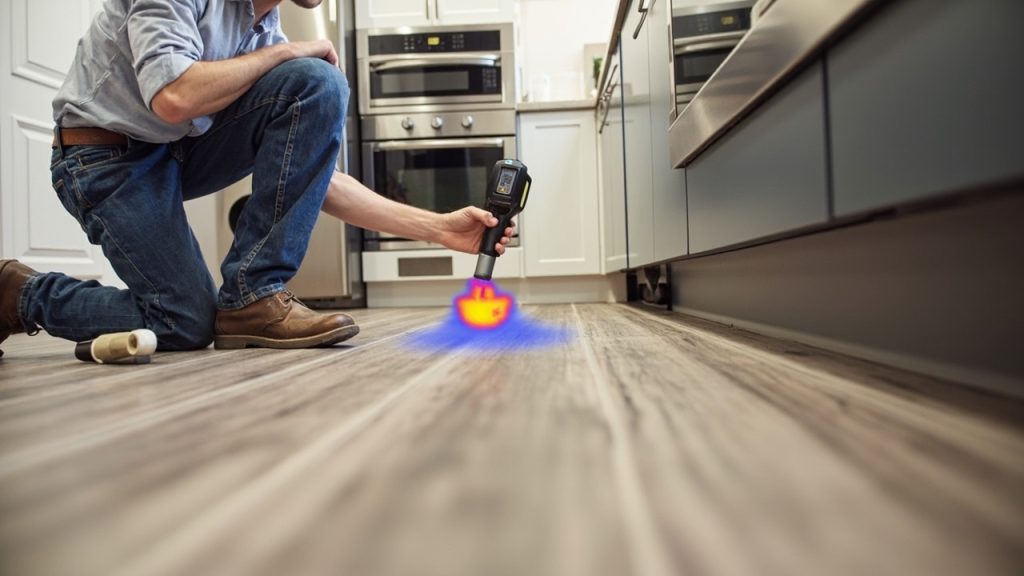
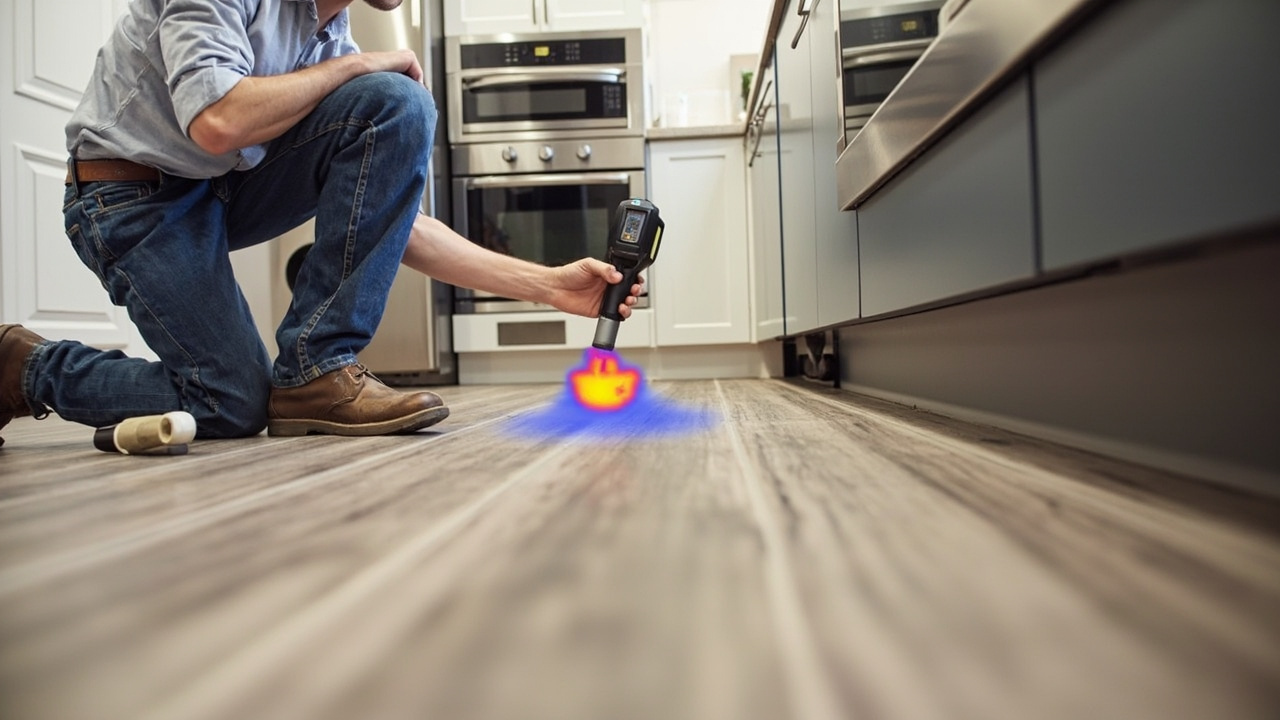
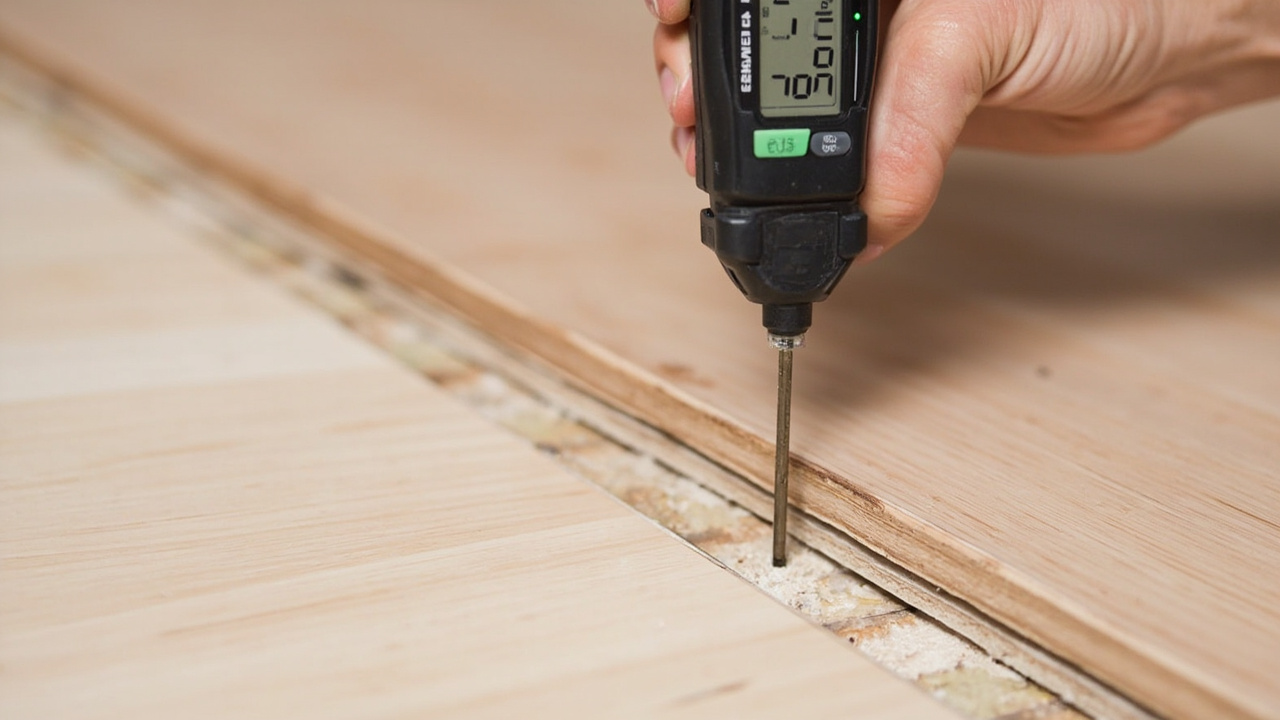
You cannot always see the damage by looking at the surface of the floor. This is why we use advanced diagnostic tools. Thermal imaging cameras allow us to see temperature differences on the floor surface. Wet areas appear cooler than dry areas because of the evaporation process. We also use moisture meters with non-invasive sensors to check the percentage of moisture in the subfloor without drilling holes. If you notice a musty odor in your kitchen or laundry room after a leak, it is a sign that mold is already growing underneath the vinyl.
Visible signs of trouble include cupping or peaking at the seams. While the vinyl core is stable, the pressure from a wet subfloor or the swelling of a plywood base can push the planks upward. If you walk across the floor and hear a squishing sound or see water bubbling up between the planks, the saturation level is high. In these cases, immediate action is required to prevent structural rot. For those living in high-end properties, we offer professional water damage restoration for luxury homes in Buckhead where preserving expensive finishes is the priority.
Technical Comparison of LVP Types and Restoration Potential
| LVP Type | Backing Material | Drying Difficulty | Salvage Probability |
|---|---|---|---|
| Click-Lock Floating | None (Direct to Subfloor) | Moderate | High with Floor Mats |
| Click-Lock Floating | Attached Cork or Foam | High | Low to Moderate |
| Glue-Down Vinyl | None | Very High | Low (Adhesive Failure) |
| Loose-Lay Vinyl | Rubberized Grip | Low | High (Easy Removal) |
The Professional Drying Process Without Removal
We use a specific protocol to dry floors in place whenever possible. This process begins with high-capacity water extraction to remove any standing pools. We then deploy LGR dehumidifiers which are designed to pull moisture out of the air even in the heavy humidity of a Georgia summer. Standard residential dehumidifiers cannot achieve the low grains per pound of moisture needed to force deep drying. We also use high-velocity air movers to create airflow across the surface, but the real secret is the floor mat system.
A floor mat system like the Injectidry uses suction to create a vacuum across the seams of the LVP. This vacuum pulls air from the subfloor up through the tiny cracks between the planks. By creating this pressure differential, we can evaporate the water trapped underneath without ever pulling a single board. This method is highly effective for clean water losses, such as a burst pipe in Atlanta. It saves the homeowner the cost of new materials and the headache of a weeks-long renovation.
When You Must Rip Up the Flooring
Restoration is not always the best path forward. There are three specific scenarios where we recommend removing the LVP entirely. The first is category three water, also known as black water. This includes sewage backups or rising floodwaters from a storm. This water contains pathogens that get trapped in the backing of the planks. There is no way to effectively sanitize the underside of a floating floor without removing it. For properties affected by outdoor flooding, our Sandy Springs flood cleanup team provides full extraction and sanitization services.
The second scenario is when the subfloor is already showing signs of significant mold growth. If the water has been sitting for more than three days, the risk of a health hazard is too high. Finally, glue-down LVP usually needs to be replaced. Water often dissolves the pressure-sensitive adhesive used to hold these planks in place. Once the bond is broken, the planks will shift and slide, making the floor unsafe and unsightly. In commercial settings, this is a major liability. We handle Atlanta commercial water damage restoration for businesses that need to weigh the cost of replacement against the speed of reopening.
Expected Timelines for Drying Subfloors in Georgia
| Subfloor Material | Drying Method | Typical Duration | Success Markers |
|---|---|---|---|
| Concrete Slab | LGR Dehumidification + Mats | 3 to 5 Days | Under 12 percent moisture |
| Plywood Subfloor | Injectidry System | 4 to 7 Days | Under 10 percent moisture |
| Crawl Space OSB | Structural Drying + LGR | 5 to 8 Days | Dry to dry-standard |
The Importance of Antimicrobial Treatments
Even if we can dry the floor without removing it, we must address the potential for microbial growth. We use botanical antimicrobial agents that can be applied at the perimeter of the room. These solutions are designed to follow the same path as the water, seeping under the baseboards and into the subfloor area. This is a critical step in the IICRC S500 standards for professional water damage restoration. It ensures that any small amount of moisture remaining during the drying process does not turn into a mold colony.
In Smyrna, the high outdoor humidity can make this part of the job difficult. If your air conditioner is not sized correctly or if you have an open crawl space, the indoor environment might constantly re-introduce moisture. We often recommend keeping the HVAC system running at a specific temperature to assist our dehumidifiers. This helps maintain the vapor pressure differential needed to pull water out of the flooring materials and into the air where it can be collected and pumped out of your home.
Immediate Steps to Take After Finding Water on Your LVP Floor
If you discover a leak in your home, do not wait for the floor to dry on its own. Every hour the water sits, it moves deeper into the walls and subfloor. Follow these steps to improve the chances of saving your LVP.
- Stop the source of the water immediately by turning off the main water valve.
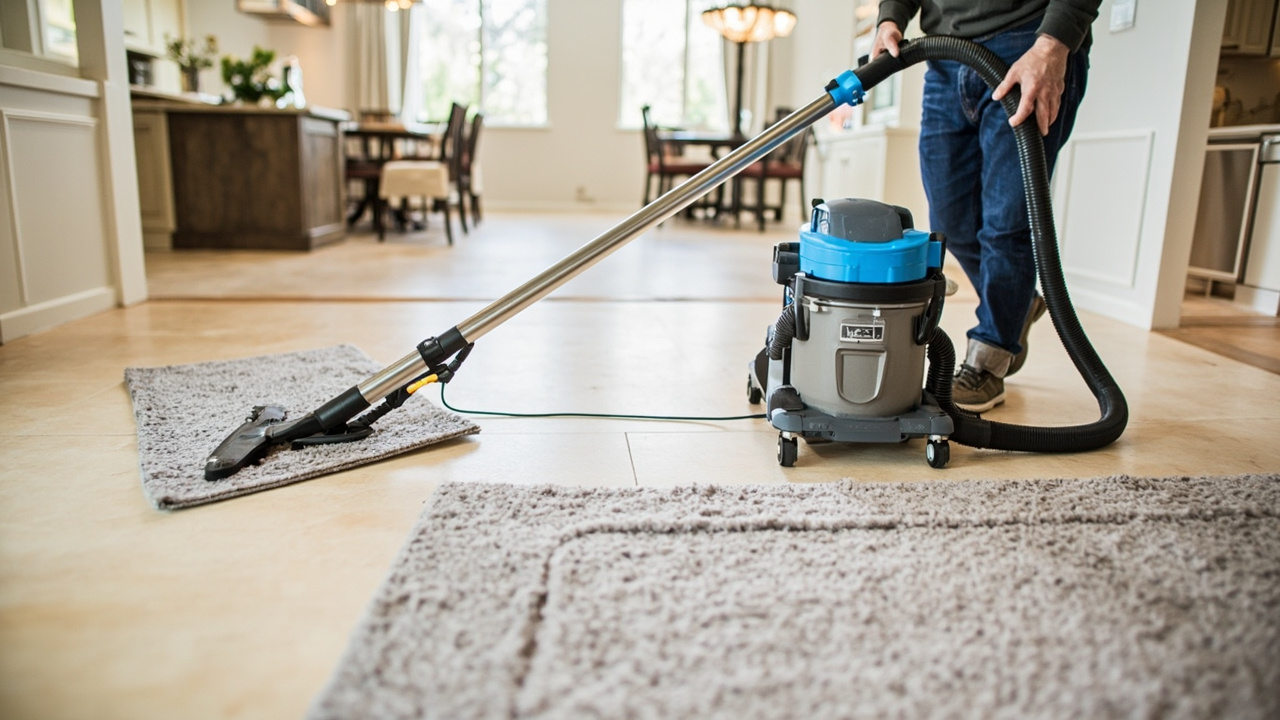
- Use a wet-dry vacuum or towels to remove all standing water from the surface of the floor.
- Remove the baseboards around the perimeter of the wet area to allow for better air circulation at the edges.
- Use a fan to blow air across the surface but avoid blowing air directly into the gaps unless you also have a dehumidifier running.
- Call a professional with a thermal imaging camera to map the extent of the moisture migration.
- Document everything with photos and videos for your insurance company.
Insurance Claims and LVP Flooring in Cobb County
Most homeowners insurance policies in Georgia cover sudden and accidental water damage. This includes pipe bursts and appliance failures. However, they may not cover damage caused by long-term seepage or lack of maintenance. When we arrive at your Smyrna home, we provide a full moisture map and a drying plan that you can submit to your adjuster. This data-driven approach often helps in getting claims approved quickly.
Insurance adjusters in the Atlanta area are familiar with the high cost of flooring replacement. They often prefer restoration over replacement because it is faster and less expensive. By showing them that we can dry your LVP using professional mats and LGR dehumidifiers, we provide a solution that benefits both you and the insurer. We focus on returning your home to its pre-loss condition while ensuring that no hidden moisture remains to cause future mold issues.
The goal is always to protect the structural integrity of your property. Whether you live in a modern townhouse in Smyrna or a historic home in Marietta, the physics of water damage remain the same. If you act within the first twenty-four hours, your chances of avoiding a full floor tear-out are significantly higher. Our team is available round the clock to provide the equipment and expertise needed to save your floors. If you are dealing with a leak right now, reach out to us for a professional assessment of your LVP flooring.
{
“@context”: “https://schema.org”,
“@type”: “BlogPosting”,
“headline”: “Can You Successfully Dry Out LVP Flooring in Your Smyrna Home Without Ripping It Up”,
“description”: “Learn if your Smyrna LVP floors can be saved after water damage. Our Atlanta experts explain professional drying techniques and subfloor moisture risks.”,
“wordCount”: 1625,
“datePublished”: “2026-02-10T07:52:00.000Z”,
“dateModified”: “2026-02-10T07:52:00.000Z”,
“inLanguage”: “en-US”,
“mainEntityOfPage”: {
“@type”: “WebPage”,
“@id”: “https://victorywaterdamagerestorationatlanta.com”
},
“publisher”: {
“@type”: “LocalBusiness”,
“name”: “Victory Water Damage Restoration Atlanta”,
“url”: “https://victorywaterdamagerestorationatlanta.com”
},
“author”: {
“@type”: “Organization”,
“name”: “Victory Water Damage Restoration Atlanta”,
“url”: “https://victorywaterdamagerestorationatlanta.com”
},
“image”: {
“@type”: “ImageObject”,
“url”: “https://victorywaterdamagerestorationatlanta.com/wp-content/uploads/2026/03/can-you-actually-dry-out-lvp-flooring-in-your-smyr-1.jpg”
}
}
{
“@context”: “https://schema.org”,
“@type”: “LocalBusiness”,
“name”: “Victory Water Damage Restoration Atlanta”,
“url”: “https://victorywaterdamagerestorationatlanta.com”,
“address”: {
“@type”: “PostalAddress”,
“addressLocality”: “Atlanta”
},
“areaServed”: {
“@type”: “City”,
“name”: “Atlanta”
}
}
{
“@context”: “https://schema.org”,
“@type”: “BreadcrumbList”,
“itemListElement”: [
{
“@type”: “ListItem”,
“position”: 1,
“name”: “Home”,
“item”: “https://victorywaterdamagerestorationatlanta.com”
},
{
“@type”: “ListItem”,
“position”: 2,
“name”: “Blog”,
“item”: “https://victorywaterdamagerestorationatlanta.com/blog”
},
{
“@type”: “ListItem”,
“position”: 3,
“name”: “Can You Successfully Dry Out LVP Flooring in Your Smyrna Home Without Ripping It Up”
}
]
}
{
“@context”: “https://schema.org”,
“@type”: “Service”,
“serviceType”: “Water Damage Restoration”,
“provider”: {
“@type”: “LocalBusiness”,
“name”: “Victory Water Damage Restoration Atlanta”,
“url”: “https://victorywaterdamagerestorationatlanta.com”
},
“areaServed”: {
“@type”: “City”,
“name”: “Atlanta”
},
“description”: “Learn if your Smyrna LVP floors can be saved after water damage. Our Atlanta experts explain professional drying techniques and subfloor moisture risks.”
}