
Midtown Atlanta Water Damage Restoration for Condos and High-Rises
Water damage in a Midtown Atlanta high-rise presents a unique set of obstacles that single-family home restorations never face. When a pipe bursts on the 20th floor of a building near Atlantic Station, the water does not stay in one unit. It follows gravity. It moves through floor slabs, travels down electrical conduits, and impacts every neighbor below you. Victory Water Damage Restoration understands these vertical logistics. We have spent over 15 years handling emergency water extraction for luxury condos and high-rise apartments across the 30308 and 30309 zip codes. Speed is not a preference. It is a requirement to prevent massive structural damage across multiple properties.
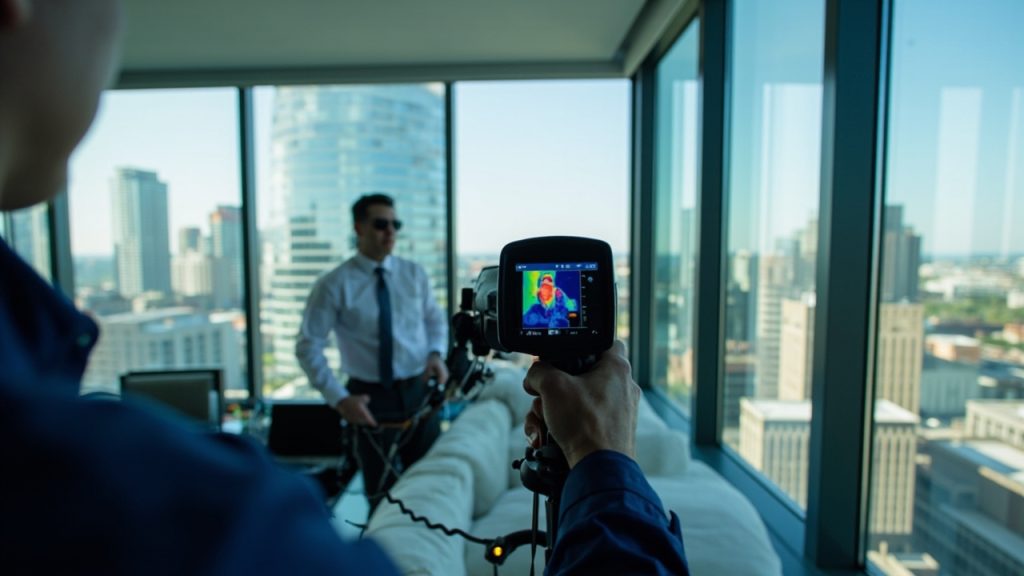
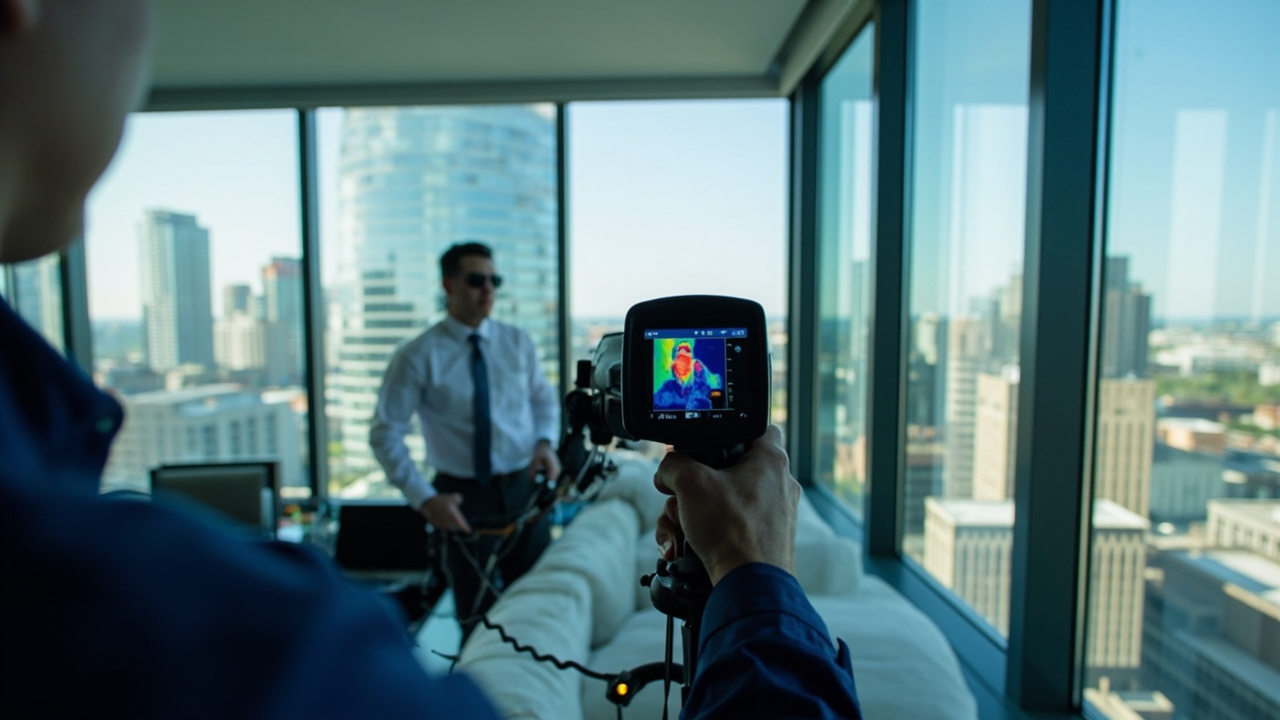
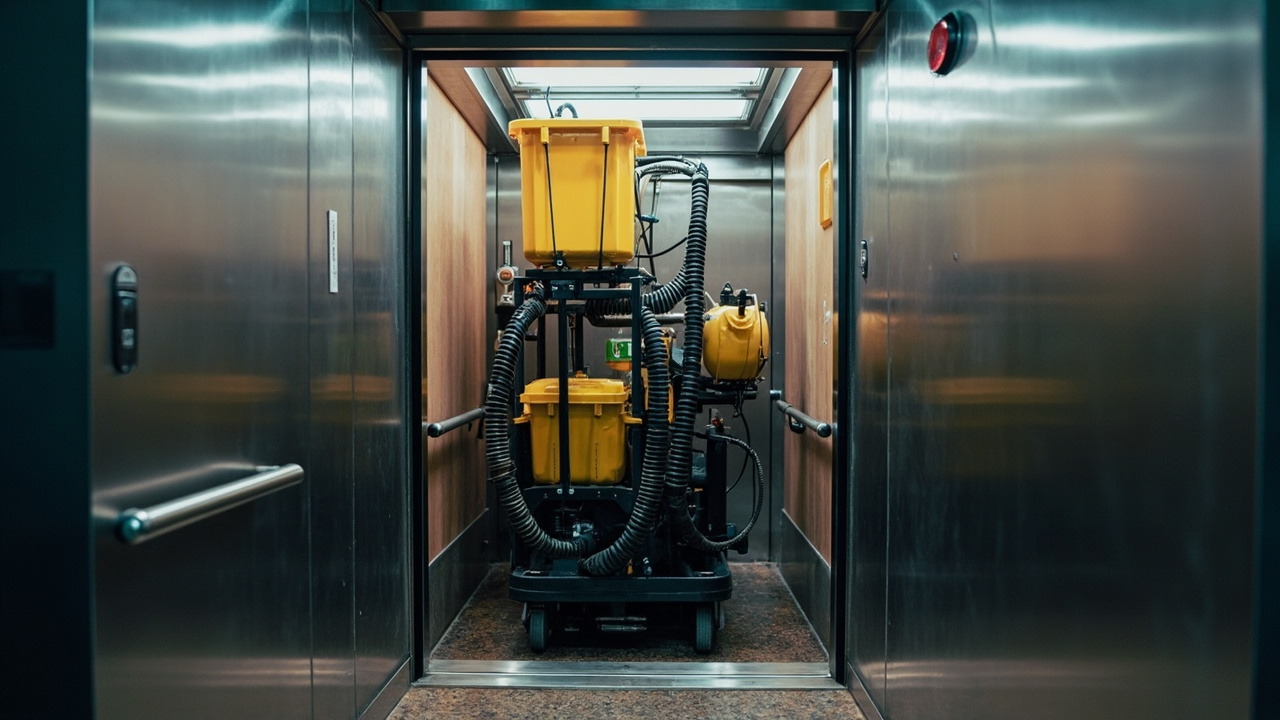
Drying out a condo requires specialized equipment. Most standard truck-mounted extractors cannot reach the upper floors of high-profile buildings on Peachtree Street. We use high-powered portable extraction units and Low Grain Refrigerant dehumidifiers that fit into freight elevators. This allows us to start 24/7 emergency water removal within minutes of arriving on the scene. Our technicians utilize thermal imaging cameras to track moisture as it migrates through the concrete and steel structures common in Midtown architecture.
Emergency Water Extraction for Midtown High-Rise Residents
Living in a dense area like Midtown means traffic and access issues are constant factors. Whether you are in Ansley Park or near the Georgia Tech campus, we prioritize a 30-minute response time. We know the 2026 traffic patterns around the 17th Street bridge and the downtown connector. Our teams are stationed locally to ensure that we bypass the gridlock and get equipment into your building immediately. High-rise floods often involve Category 2 or Category 3 water, especially if the source is a shared sewage line or a fire sprinkler system. You can read more about categories of water to understand the health risks involved with these specific leaks.
Once we arrive, the first step involves containment. In a high-rise, we must stop the water from reaching the elevator shafts. Water in an elevator pit can shut down a building for weeks and lead to astronomical repair costs. We use specialized barriers and floor-specific extraction tools to pull water from luxury vinyl plank, tile, and stone. If you have premium flooring, we focus on saving the material through advanced structural drying services rather than immediate demolition.
Rapid Response Near Piedmont Park and Peachtree Street
The geography of Midtown makes every minute count. A leak in a building overlooking Piedmont Park can quickly seep into the structural joints of the floor below. Our process begins with a rapid moisture map. We use non-invasive moisture meters to determine the exact perimeter of the wet area. This prevents us from tearing out dry materials and helps keep the restoration focused. In a condo, space is limited. We do not use bulky, outdated fans. Instead, we use high-velocity air movers that provide maximum airflow with a small footprint.
If your leak occurred due to a faulty appliance, such as a dishwasher or washing machine, the volume of water can be deceptive. A single dishwasher leak emergency can dump enough water to saturate the subfloor of three adjoining units. We coordinate with your building management to ensure all affected areas are inspected, not just the ones with visible puddles.
Technical Challenges of Drying Concrete and Steel Structures
Most Midtown high-rises are built with post-tensioned concrete slabs. Unlike wood-frame houses in the suburbs, concrete is porous and holds moisture for long periods. If this moisture is not removed correctly, it will lead to mold growth behind the baseboards and under the flooring. We follow strict standards set by the Institute of Inspection Cleaning and Restoration Certification to ensure the environment reaches the dry standard. This involves controlling the psychrometrics of the room by balancing temperature, humidity, and airflow.
For buildings with shared HVAC systems, moisture control is even more critical. High humidity in one unit can travel through the ductwork, causing secondary damage in other parts of the building. We monitor the vapor pressure in the air to ensure the dehumidifiers are pulling moisture out of the materials effectively. This technical approach is why we are the preferred choice for commercial water damage restoration in the Atlanta metro area.
Table 1 Response Logistics Comparison
| Logistical Factor | Single Family Home | Midtown High-Rise |
|---|---|---|
| Equipment Type | Truck-Mounted Extractors | Portable High-Pressure Units |
| Access Method | Direct Driveway Access | Freight Elevator Coordination |
| Water Migration | Basement or Crawl Space | Multiple Floor Descent |
| Parking | On-Site Parking | Tight Street or Loading Dock |
Managing Neighboring Unit Damage and HOA Requirements
One of the most stressful parts of a condo flood is the liability regarding neighbors. If your water heater bursts, you may be responsible for the damage to the units beneath you. We provide detailed documentation for all parties involved. This includes moisture readings, photos of the source, and a clear timeline of the restoration process. Having this data is essential when you look at how to handle insurance claims in a multi-unit setting.
We work directly with Midtown Homeowners Associations to ensure we follow building bylaws. This includes adhering to specific work hours for noisy equipment and using protective coverings in common area hallways. We understand that your reputation in the building matters. Our team maintains a clean and professional workspace to minimize friction with your neighbors and the board. If the damage is extensive, we offer content cleaning and pack-out services to move your belongings to a secure, dry location while the building is restored.
Equipment Logistics for Vertical Properties
Moving equipment up 30 stories requires a specific strategy. We cannot run hoses through windows or up stairwells in a luxury high-rise. Our portable LGR dehumidifiers are the most advanced models available in 2026. They are designed to fit through standard doorways and operate quietly so you can remain in your home during the drying process if it is safe to do so. We also utilize HEPA air scrubbers to remove any airborne contaminants that may have been disturbed during the flood. This is especially important if there is a risk of mold remediation and removal being necessary.
The drying process in a high-rise typically follows an ordered sequence
- Source identification and shutoff coordination with building maintenance.
- Bulk water extraction using high-capacity portable pumps.
- Removal of non-salvageable materials like wet drywall or saturated insulation.
- Application of antimicrobial treatments to prevent microbial growth.
- Installation of air movers and dehumidifiers to reach the dry standard.
- Daily monitoring and adjustment of equipment based on moisture readings.
For more information on the expected duration of this work, you can check our guide on how long drying takes.
Targeted Drying for High-End Finishes
Midtown condos often feature high-end finishes like engineered hardwoods, marble countertops, and custom cabinetry. These materials require a delicate touch. Standard drying techniques can cause cupping or buckling wood floors if the moisture is pulled out too quickly or too slowly. We use floor-mat drying systems that create a vacuum to pull moisture directly from the wood fibers. This often saves the floor, preventing the need for an expensive and time-consuming replacement.
The Environmental Protection Agency notes that mold can begin to grow within 24 to 48 hours of a water event. In the humid Atlanta climate, this window is even tighter. We use desiccant dehumidification for large-scale projects or when we need to achieve extremely low humidity levels to dry out dense materials like specialty stone or concrete subfloors. This ensures your home is not only dry but safe for your family and pets.
Table 2 Estimated Drying Timelines by Material
| Material Type | Drying Method | Estimated Time in 2026 |
|---|---|---|
| Drywall and Paint | LGR Dehumidification | 2 to 3 Days |
| Hardwood Flooring | Injection Mat Systems | 5 to 7 Days |
| Concrete Subfloor | Desiccant Drying | 4 to 6 Days |
| Ceramic Tile | Surface Evaporation | 2 to 3 Days |
Neighborhoods We Serve in Midtown Atlanta
We provide comprehensive restoration services to all corners of the Midtown area. This includes the high-rise corridors of Atlantic Station, where commercial and residential units are often mixed. We also serve the historic homes and modern apartments in Ansley Park, the evolving landscape of Home Park, and the bustling area around the Georgia Institute of Technology. No matter where you are located between 10th Street and 17th Street, our trucks are equipped and ready for immediate deployment.
If you are concerned about the financial aspect of this process, we recommend reviewing the water damage restoration cost 2026 guide. We believe in transparency and provide detailed estimates that align with industry standards. We also assist with the paperwork for both individual unit owner policies and master building policies to ensure the transition is as smooth as possible.
Midtown living is fast-paced and sophisticated. Your restoration company should be the same. Do not settle for a general contractor who does not understand the specific pressure and drainage systems of a 40-story building. Choose a team that specializes in the vertical challenges of the Atlanta skyline. We are here to help you recover your space and your peace of mind after any water disaster. Contact us today to begin the recovery process with a team that knows Midtown inside and out.
{
“@context”: “https://schema.org”,
“@type”: “BlogPosting”,
“headline”: “Midtown Atlanta Water Damage Restoration for Condos and High-Rises”,
“description”: “Fast Midtown Atlanta water damage restoration for high-rises and condos. 24/7 emergency extraction and drying in 30308 and 30309. Specialized condo equipment.”,
“wordCount”: 1522,
“datePublished”: “2026-04-19T10:51:00.000Z”,
“dateModified”: “2026-04-19T10:51:00.000Z”,
“inLanguage”: “en-US”,
“mainEntityOfPage”: {
“@type”: “WebPage”,
“@id”: “https://victorywaterdamagerestorationatlanta.com”
},
“publisher”: {
“@type”: “LocalBusiness”,
“name”: “Victory Water Damage Restoration Atlanta”,
“url”: “https://victorywaterdamagerestorationatlanta.com”
},
“author”: {
“@type”: “Organization”,
“name”: “Victory Water Damage Restoration Atlanta”,
“url”: “https://victorywaterdamagerestorationatlanta.com”
},
“image”: {
“@type”: “ImageObject”,
“url”: “https://victorywaterdamagerestorationatlanta.com/wp-content/uploads/2026/03/midtown-atlanta-water-damage-restoration-for-condo-1.jpg”
}
}
{
“@context”: “https://schema.org”,
“@type”: “LocalBusiness”,
“name”: “Victory Water Damage Restoration Atlanta”,
“url”: “https://victorywaterdamagerestorationatlanta.com”,
“address”: {
“@type”: “PostalAddress”,
“addressLocality”: “Atlanta”
},
“areaServed”: {
“@type”: “City”,
“name”: “Atlanta”
}
}
{
“@context”: “https://schema.org”,
“@type”: “BreadcrumbList”,
“itemListElement”: [
{
“@type”: “ListItem”,
“position”: 1,
“name”: “Home”,
“item”: “https://victorywaterdamagerestorationatlanta.com”
},
{
“@type”: “ListItem”,
“position”: 2,
“name”: “Blog”,
“item”: “https://victorywaterdamagerestorationatlanta.com/blog”
},
{
“@type”: “ListItem”,
“position”: 3,
“name”: “Midtown Atlanta Water Damage Restoration for Condos and High-Rises”
}
]
}
{
“@context”: “https://schema.org”,
“@type”: “Service”,
“serviceType”: “Water Damage Restoration”,
“provider”: {
“@type”: “LocalBusiness”,
“name”: “Victory Water Damage Restoration Atlanta”,
“url”: “https://victorywaterdamagerestorationatlanta.com”
},
“areaServed”: {
“@type”: “City”,
“name”: “Atlanta”
},
“description”: “Fast Midtown Atlanta water damage restoration for high-rises and condos. 24/7 emergency extraction and drying in 30308 and 30309. Specialized condo equipment.”
}