


Atlanta sits at the intersection of humid subtropical weather and aggressive storm systems moving through North Georgia. The city receives 50 inches of rain annually, with intense thunderstorms dropping several inches in hours during spring and summer months. This rainfall overwhelms drainage systems in older neighborhoods like Virginia Highland and Inman Park, where century-old pipes and grading cannot handle modern water volume.
Atlanta's red clay soil compounds the problem. Clay does not absorb water well. Instead, it channels runoff toward foundations, creating hydrostatic pressure that forces water through basement walls and crawl spaces. Properties in Buckhead and Druid Hills built on slopes face constant foundation seepage during heavy rain.
The Chattahoochee River and its tributaries create flood zones across northwest Atlanta. Neighborhoods near Peachtree Creek experience flash flooding when storms stall over the metro area. Inside homes, aging infrastructure causes problems. Many Atlanta properties have galvanized steel pipes installed 40 to 60 years ago. These pipes corrode from the inside, leading to pinhole leaks and catastrophic failures. HVAC systems in attics condensate heavily in Atlanta's humidity, and when drain lines clog, water pours into ceilings. Sewer backups occur frequently in areas with combined storm and sanitary systems, particularly during heavy rainfall when the system capacity gets exceeded.
Victory Water Damage Restoration Atlanta operates from multiple dispatch points across the metro area, putting response teams within 15 minutes of most Atlanta addresses. While other companies promise eventual arrival, we track drive times in real conditions and staff crews accordingly. Our trucks carry industrial extraction equipment, thermal imaging cameras, moisture meters, and commercial dehumidifiers. We do not need to go back for equipment.
We built our business on insurance claims expertise. Our estimators document loss using Xactimate software, the same system insurance adjusters use, which eliminates disputes over scope and pricing. We photograph damage progression, moisture readings, and affected materials before starting work. This documentation protects homeowners when adjusters question the extent of damage. We communicate directly with adjusters, provide supplemental estimates when hidden damage appears, and push claims through faster than property owners can manage alone.
Our drying protocols follow IICRC S500 standards, which means we measure moisture levels in all affected materials and continue drying until readings reach dry standard. Many companies stop drying when surfaces feel dry to the touch. We track moisture in wall cavities, subfloors, and structural lumber using penetrating meters. This prevents mold growth that appears weeks later when moisture remains trapped inside assemblies.
Victory Water Damage Restoration Atlanta employs certified technicians, not day laborers. Our crews complete Water Restoration Technician certification and Applied Structural Drying training. They understand building science, how water moves through different materials, and what it takes to actually dry a structure in Atlanta's humid conditions. This expertise prevents secondary damage that costs more than the original water event.

We dispatch crews immediately when you call, not when the office opens. Our response vehicles stage across Atlanta to reach any address within an hour. Fast arrival stops water from spreading through your property and causing additional destruction to flooring, drywall, and contents.

Our estimators document every damaged material, moisture reading, and drying day required for your claim. We use Xactimate software to write estimates adjusters accept without argument. This documentation speeds claim approval and ensures you receive full coverage for restoration costs.
Every crew member completes Water Restoration Technician and Applied Structural Drying certification through the Institute of Inspection Cleaning and Restoration Certification. These credentials prove our technicians understand building science, moisture movement, and proper drying procedures that prevent mold growth and structural damage.
We maintain equipment and crews across Fulton, DeKalb, Cobb, and Gwinnett counties. This local presence means faster response to your emergency and familiarity with Atlanta building types, from historic bungalows in Grant Park to modern condos in Midtown.
Victory Water Damage Restoration Atlanta provides emergency water removal, structural drying, mold remediation, and full reconstruction services. Water damage rarely affects just one material or system. A burst pipe floods floors but also saturates walls, insulation, and subfloors. Roof leaks drip onto ceilings but spread laterally through attic insulation and down wall cavities. We handle the entire scope of damage from initial extraction through final repairs.
Our services divide into three phases. Emergency response stops active water intrusion and removes standing water before it spreads further. Structural drying uses commercial dehumidifiers, air movers, and monitoring equipment to dry all affected materials to pre-loss moisture levels. This phase prevents mold growth and secondary damage. Restoration rebuilds damaged areas, replacing drywall, flooring, trim, and any materials too damaged to salvage.
We coordinate all three phases as a single project. You work with one company, one project manager, and one insurance claim. This integration speeds the entire process and eliminates finger-pointing between emergency crews, drying technicians, and reconstruction contractors. Our approach gets you back in your property faster with fewer complications and complete accountability from start to finish.
Our emergency crews arrive with truck-mounted extraction equipment that removes hundreds of gallons per hour from flooded spaces. We extract standing water from basements, crawl spaces, and living areas, then remove saturated contents and materials that cannot be saved. This immediate response stops water from wicking into walls and prevents flooring adhesive failure. We document all damage with photos and moisture readings before starting extraction work.
After extraction, we deploy commercial dehumidifiers and air movers positioned to create airflow across all wet surfaces. Our technicians monitor moisture levels daily using penetrating meters that measure inside wall cavities and structural members. Drying continues until all materials reach dry standard moisture content, typically three to five days depending on humidity and material types. This prevents mold growth and ensures structural integrity.
Once drying completes, our reconstruction crews rebuild all damaged areas. We replace drywall, insulation, flooring, baseboards, and any materials removed during mitigation. Our carpenters match existing finishes and materials so repaired areas blend with undamaged portions of your property. We handle everything from minor drywall patches to complete room rebuilds, coordinating permits and inspections as required by Atlanta building codes.
Atlanta properties face water damage from multiple sources. The combination of intense rainfall, aging infrastructure, and humid conditions creates constant vulnerability. Homeowners often discover damage after it spreads beyond the initial intrusion point, making early detection critical.
Burst pipes cause sudden, catastrophic flooding that destroys everything in its path. Slow leaks create hidden damage that appears only after mold grows or ceilings collapse. Roof damage during storms allows water to enter attics and spread through insulation before dripping into living spaces. Understanding these common problems helps property owners recognize warning signs before minor issues become major losses.
Atlanta's climate extends water damage risk beyond obvious flooding events. High humidity prevents materials from drying naturally, allowing mold to grow on any surface that stays damp for 48 hours. Crawl spaces and basements remain chronically moist, creating ongoing problems when water intrusion adds to existing moisture levels. HVAC condensation, plumbing leaks, and foundation seepage all compound in Atlanta's environment.
Supply line failures release hundreds of gallons before homeowners locate shutoff valves. Galvanized pipes in older Atlanta homes corrode internally and fail without warning. Water floods multiple rooms in minutes, saturating flooring, drywall, and contents. Fast extraction and drying prevent total loss of materials and possessions.
Severe thunderstorms damage shingles, flashing, and vents, creating entry points for water. Rain enters attics and saturates insulation, which holds moisture against ceiling drywall and framing. Water spreads laterally before dripping into rooms below. Attic damage requires insulation removal and structural drying to prevent rot and mold.
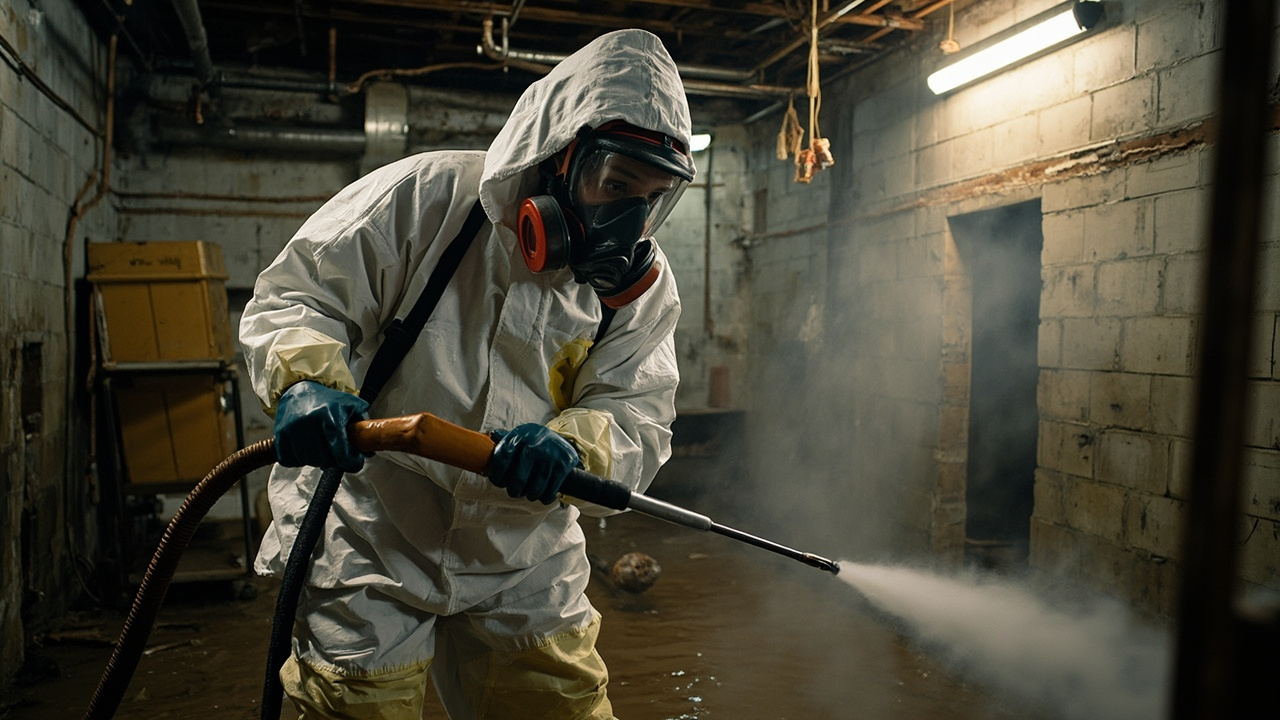
Combined sewer systems in older Atlanta neighborhoods overflow during heavy rain, pushing sewage into basements through floor drains. This category 3 water contains dangerous bacteria and requires specialized cleanup protocols. We remove contaminated materials, disinfect all surfaces, and use antimicrobial treatments to eliminate health hazards.
Plumbing leaks, foundation seepage, and poor drainage create standing water in crawl spaces that homeowners never see. This moisture wicks into floor joists and subfloors, causing rot, mold growth, and structural damage. We pump standing water, dry structural members, and treat mold contamination to restore safe conditions.
Water damage creates chaos. Calling a restoration company should not add to your stress. Victory Water Damage Restoration Atlanta follows clear processes that keep you informed and in control throughout emergency response and restoration.
When you call our dispatch center, we gather essential information about your emergency. What caused the water damage? Is water still flowing? What areas are affected? This helps us send the right equipment and crew size. We provide an accurate arrival time based on current traffic and crew location.
Our project manager walks you through every phase before work starts. You understand what equipment we will use, how long drying takes, what materials need replacement, and how we document everything for insurance claims. We answer questions and address concerns immediately. Throughout the project, you receive daily updates on moisture readings, drying progress, and timeline adjustments if complications arise.
We respect your property and minimize disruption to your life. Crews contain work areas with plastic barriers to prevent dust and debris from spreading. We schedule work around your availability and explain any access needs for equipment or inspections. You always know who is in your property and what they are doing.
Our dispatcher sends the closest available crew to your property within minutes of your call. The response team arrives with extraction equipment, moisture detection tools, and containment materials. They assess damage extent, stop active water intrusion if possible, and begin extraction immediately. Before leaving, they deploy drying equipment and explain the monitoring schedule for the following days.
Your project manager contacts you daily with moisture readings, drying progress, and any issues discovered during monitoring. We explain findings in plain language and show you meter readings so you understand conditions. If we discover hidden damage, we document it with photos and explain implications before proceeding. You receive written estimates for any work beyond initial emergency services.
We photograph damage before starting work, document moisture readings throughout drying, and provide detailed estimates for all services. Our documentation package includes thermal images showing moisture spread, daily log sheets tracking equipment placement, and material lists with quantities and pricing. This comprehensive record supports your insurance claim and speeds adjuster approval.
Water damage restoration follows a proven sequence. Skipping steps or rushing phases leads to incomplete drying and eventual mold problems. Our process ensures complete restoration.
Our crew arrives and immediately begins removing standing water with truck-mounted extraction equipment. We pull water from carpets, padding, and flooring using weighted extraction tools that force water to the surface. Saturated contents move to dry areas or climate-controlled storage. We remove unsalvageable materials like soaked drywall and insulation. This phase typically completes within hours of arrival.
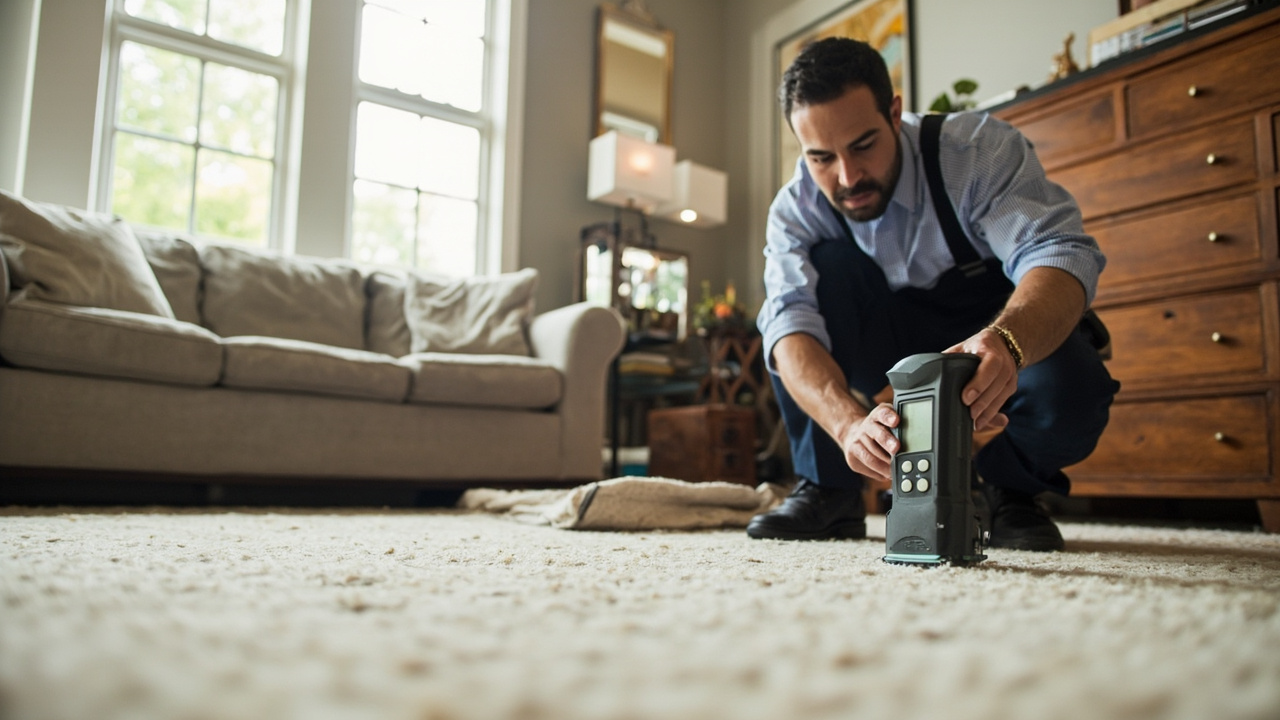
We position commercial dehumidifiers and air movers to create controlled drying conditions. Our technicians visit daily to measure moisture levels in walls, floors, and structural members using penetrating moisture meters. We adjust equipment placement and airflow patterns based on readings. Drying continues until all materials reach dry standard moisture content, preventing mold growth and structural damage.
Once drying completes, our carpenters and finishers rebuild damaged areas. We replace drywall, install new flooring, paint walls, and reinstall trim. Our crews match existing finishes and materials so repairs blend seamlessly with undamaged areas. Final walkthrough ensures you approve all work before we close the project. Your property returns to pre-loss condition.
Water damage restoration requires understanding building science, material properties, and psychrometrics. Atlanta's humid subtropical climate complicates drying because ambient moisture content slows evaporation rates. Relative humidity above 60 percent prevents materials from drying naturally, creating conditions perfect for mold growth within 48 hours of water intrusion.
Proper restoration follows IICRC S500 standards, which establish protocols for water damage mitigation based on water category and material affected. Category 1 water from clean sources like supply lines requires standard extraction and drying. Category 2 water contains contaminants and requires antimicrobial treatment. Category 3 water from sewage or flooding contains dangerous pathogens and demands full containment, removal of porous materials, and disinfection of all surfaces.
Materials absorb and release moisture at different rates. Hardwood flooring cups and crowns when moisture content changes rapidly. Drywall wicks water vertically through its paper facing, requiring removal up to 12 inches above visible damage. Insulation loses R-value when wet and often requires replacement even after drying. Understanding these material behaviors prevents incomplete restoration that leads to callbacks.
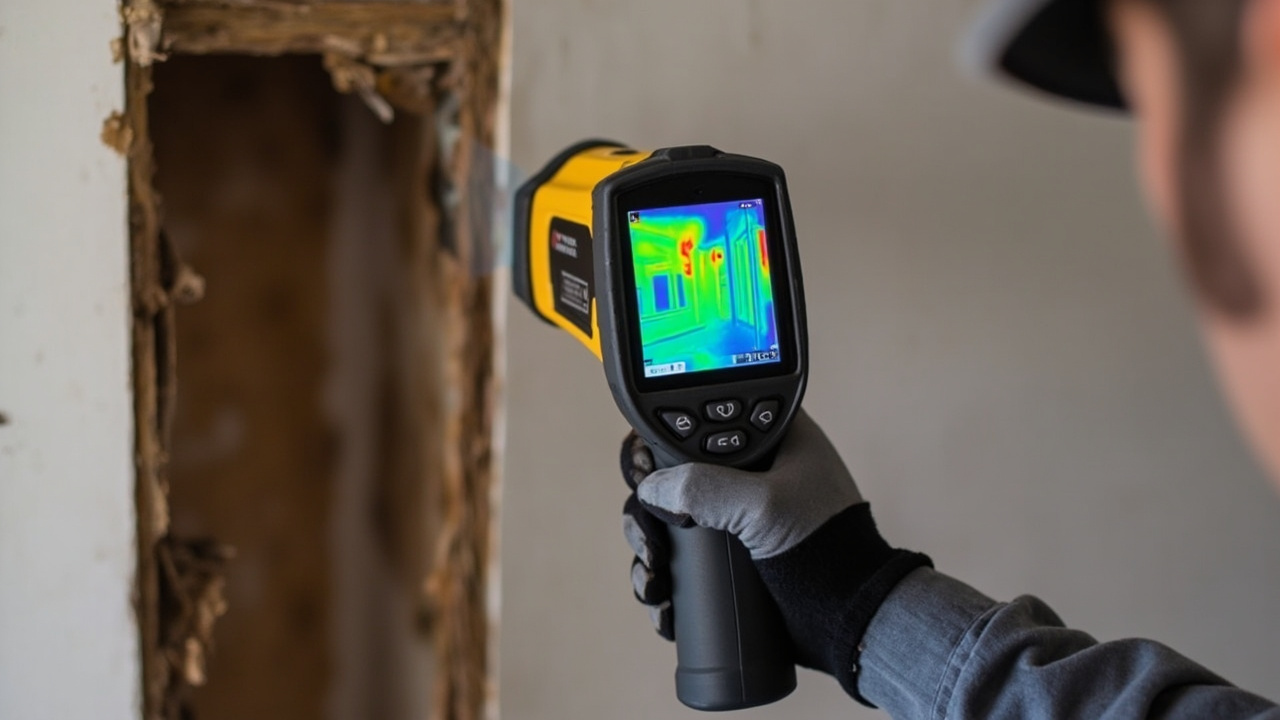
Thermal imaging cameras detect moisture hidden behind walls and under flooring. These cameras measure surface temperature differences caused by evaporative cooling, revealing wet areas invisible to the eye. Penetrating moisture meters with deep probes measure moisture content inside wall cavities and structural lumber without destructive testing.
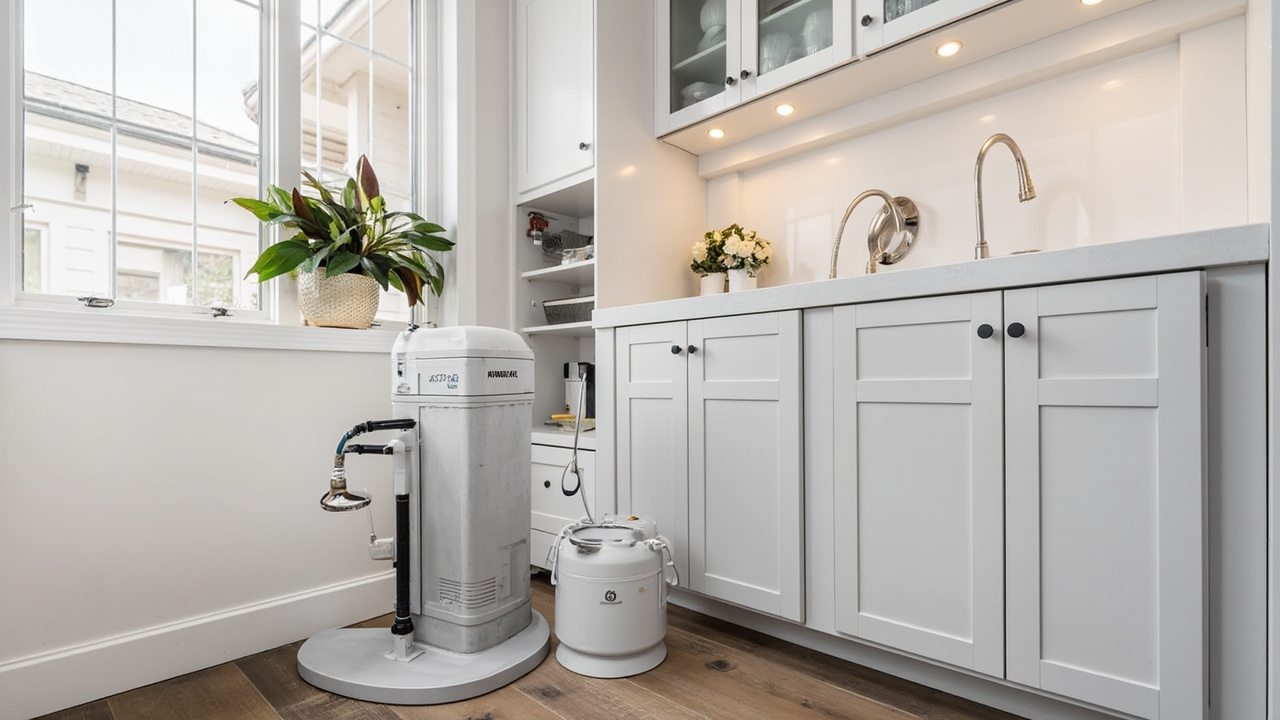
Dehumidification creates the driving force for drying. Commercial refrigerant dehumidifiers remove moisture from the air, lowering relative humidity and allowing wet materials to release absorbed water. Air movers create airflow across wet surfaces, carrying moisture away to dehumidifiers. Proper equipment placement considers airflow patterns, room geometry, and material exposure. We calculate grain depression, the difference between actual humidity and saturation humidity, to verify drying conditions remain optimal.
The Standard and Reference Guide for Professional Water Damage Restoration establishes protocols for assessment, water removal, drying, and monitoring. Our processes follow S500 guidelines for documentation, moisture measurement, and equipment placement. This ensures complete restoration that prevents mold growth and structural damage.
Restoration quality depends on equipment capability. We use truck-mounted extraction equipment, commercial dehumidifiers rated for Atlanta humidity, thermal imaging cameras, and penetrating moisture meters. This technology costs significantly more than consumer-grade equipment but delivers faster drying and prevents secondary damage. Equipment investment separates professional restoration companies from emergency response services.
Structural drying requires three to five days in most cases, longer if humidity is high or materials are dense. Claims of 24-hour drying ignore building science and lead to trapped moisture. We track moisture levels daily and continue drying until readings confirm complete moisture removal. This prevents mold growth that appears weeks after rushed restoration.
Mold grows on any organic material that remains damp for 48 hours. Our drying protocols remove moisture before mold establishes colonies. If we discover existing mold growth during restoration, we follow IICRC S520 remediation standards. This includes containment, HEPA filtration, removal of contaminated materials, and antimicrobial treatment of surfaces.
Victory Water Damage Restoration Atlanta maintains rapid response capabilities across the entire metro area. Our service territory covers Fulton, DeKalb, Cobb, and Gwinnett counties, with dispatch centers positioned to reach any address within an hour.
In Buckhead, we respond to water damage in high-rise condos and historic estates. The area's mix of modern construction and older homes built in the 1920s through 1940s creates varied restoration challenges. Older properties often have cast iron drain lines that fail internally, while newer buildings experience HVAC condensate overflows in vertical chases serving multiple floors.
Midtown properties face unique risks from high water pressure in tall buildings and aging infrastructure in converted lofts. We handle water damage in residential towers along Peachtree Street and mixed-use developments near Piedmont Park. Response time is critical in multi-story buildings where water travels through floor assemblies affecting units below the source.
Virginia Highland and Inman Park feature craftsman bungalows and Victorian homes with pier and beam foundations. These neighborhoods experience crawl space flooding during heavy rain as storm water overwhelms century-old drainage systems. We frequently dry subfloor assemblies and treat mold growth in these chronically damp spaces.
Decatur and East Atlanta properties built on sloping lots face foundation seepage when groundwater levels rise. Red clay soil channels water toward basement walls, creating hydrostatic pressure that forces moisture through masonry. We install sump pumps and dry basement finishes damaged by repeated intrusion.
North of the city, properties in Sandy Springs and Dunwoody experience storm damage from severe weather moving through the I-285 corridor. We respond to roof leak damage and flooding from overwhelmed gutters and downspouts. Roswell and Alpharetta neighborhoods near the Chattahoochee River require flood restoration services when the river exceeds bank levels during spring storms.
South Atlanta neighborhoods including Grant Park and Ormewood Park face similar challenges to Virginia Highland, with aging housing stock vulnerable to plumbing failures and foundation moisture. We work frequently in these communities, restoring bungalows and foursquare homes with full basements prone to seepage.
Our familiarity with Atlanta building types, from historic Victorians to modern high-rises, ensures appropriate restoration techniques for each property. We understand local drainage patterns, soil conditions, and construction methods across different neighborhoods and eras.
While we provide rapid mobile water damage restoration services directly to your doorstep throughout the Atlanta metropolitan area, you can also view our primary service location on the map below. This helps visualize our operational reach and assures you that expert assistance is always within your vicinity. We are always ready to deploy our dedicated teams to your precise location, ensuring swift and effective service whenever you need us, guaranteeing peace of mind.
Address:
Atlanta, GA, 30312
Water damage happens quickly and often without warning in the Atlanta metro area. Whether a pipe burst in a Buckhead high-rise or a basement flooded after a heavy storm in Decatur, the resulting mess is…
Alpharetta Water Damage Specialists for Fast Mold Prevention and Drying in North FultonWater emergencies in…
Professional Sewage Backup Cleanup and Restoration in Atlanta GeorgiaA sewage backup in your Atlanta home…
Water damage in an Edgewood home creates an immediate crisis that requires fast decision making.…
Water damage spreads every minute you wait. Victory Water Damage Restoration Atlanta responds 24/7 to emergencies across the metro area. Call (678) 397-3666 now for immediate dispatch. Our crews arrive within 60 minutes, stop damage progression, and start restoration. Do not let water destroy your property.